Service Page
Termite Treatment
From $199
About This Service
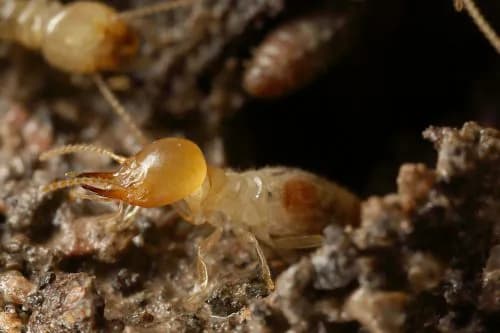
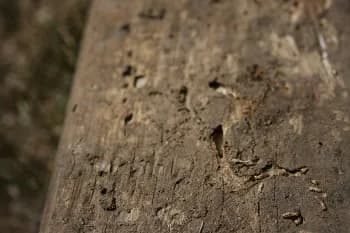
Termites cause more damage to Australian homes than fire, flood, and storms combined - and yet most home insurance policies do not cover termite damage. It is estimated that one in five Australian homes will be attacked by termites at some point, and Melbourne is not the low-risk zone many homeowners assume. The most destructive species in Melbourne is Coptotermes acinaciformis, a subterranean termite that builds massive underground colonies and can silently devour the structural timber of a home in as little as three months. Other species active in Melbourne include Schedorhinotermes (found under slabs and in stumps) and Nasutitermes (common in garden timber and tree stumps). Termites are cryptic by nature - they avoid light and open air, feeding inside timber and travelling through mud tubes to avoid detection. By the time visible damage is apparent, the structural impact is often already severe. This is why professional termite inspections using thermal imaging cameras and moisture meters are critical: they detect activity invisible to the naked eye before it becomes a catastrophic problem. Our termite treatment options include liquid chemical barriers (applied to the soil around and beneath the foundations via drill-and-inject or trenching methods, using non-repellent termiticides that termites cannot detect and carry back to the colony), baiting systems (in-ground stations installed around the perimeter that are monitored regularly and replaced with bait when activity is detected), and physical barriers for new builds. Treatment choice depends on construction type, infestation severity, site conditions, and budget. We always begin with a thorough AS 4349.3 compliant inspection before recommending a treatment plan.
Signs You Need Termite Treatment
- Hollow-sounding timber when tapped with a hard object - termites eat from the inside out, leaving only a thin shell
- Mud tubes (brown, pencil-width tunnels) on foundations, internal walls, skirting boards, or exposed piers
- Blistered, bubbling, or sagging paint on timber surfaces - can resemble water damage
- Tight-fitting doors and windows as termites consume and warp timber frames
- Discarded wings near windows, doors, or skirting boards - a sign of a swarming event as termites establish new colonies
- Sagging or springy floors, particularly in older homes with timber subfloors
- Visible termite mud or frass (small pellets) in or around the sub-floor, wall frames, or garden
- Increased activity in garden timber, tree stumps, or sleepers close to the house
Prevention Tips
- Schedule a professional termite inspection every 12 months - or every 6 months if your property is high-risk
- Fix leaking taps, downpipes, and roof gutters promptly - moisture is the primary attractant for termites
- Ensure the sub-floor area is well-ventilated and free of stored timber, cardboard, and garden debris
- Keep garden beds, mulch, and soil at least 50mm below weep holes on external brick walls
- Remove dead tree stumps, garden sleepers, and stored firewood from near the house
- Ensure all stormwater drains away from the foundations rather than pooling against the building
- Do not store timber, cardboard boxes, or paper products in the sub-floor or against external walls
- If you disturb what looks like termite activity, do not spray with insecticide - contact a professional immediately, as disturbing the colony can cause it to relocate and continue feeding in a new area
Related Pest Advice
Termite Treatment Quote
FAQ
Ezzat Lababidi
2 months ago
Amazing service from start to finish! The team was professional, punctual, and thorough, taking the time to explain everything and ensuring the job was done properly. They exceeded my expectations in every aspect, and I couldn’t be happier with the results. I highly recommend them to anyone looking for reliable, high-quality pest control.
jo jo
3 months ago
Excellent service, polite and friendly. Did a very good job. Will definitely recomend to others
Gary Wilson
5 months ago
Amazingly quick response, and great work on the job. Omar was lovely! Highly reccomend
Razan Katesh
2 years ago
Omar was awesome to deal with - he had my tenant’s matter resolved within one day of myself contacting him. He was very professional and informative about the steps that needed to be taken to rectify any concerns. Thank you so much, Omar and the team!
Image Gallery

Termite Treatment Across Melbourne
We provide termite treatment services throughout Melbourne's northern, western, and inner suburbs. Same-day service available.
Need Termite Treatment?
Get a free, no-obligation quote today. Same-day service available.