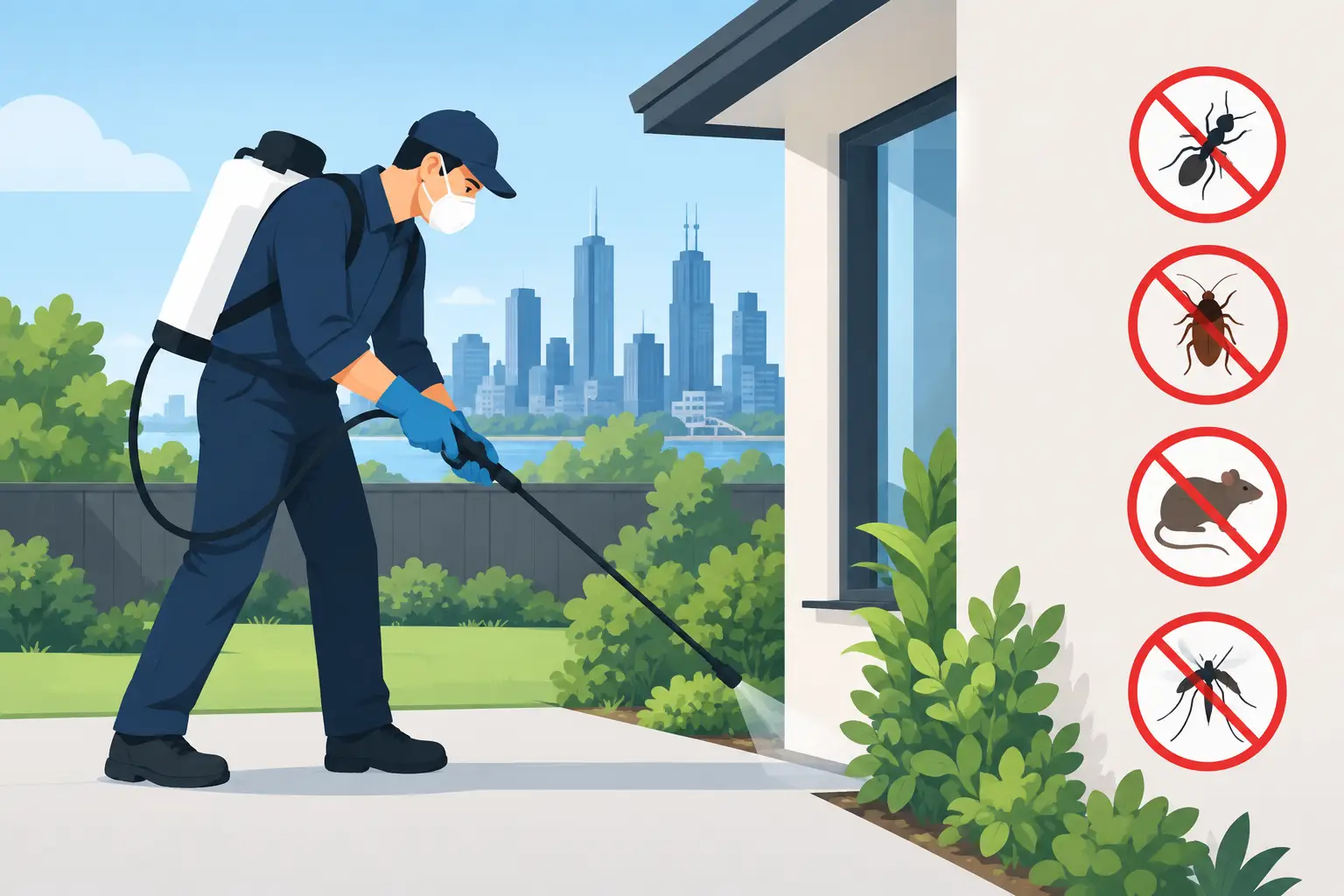
A scratching sound in the ceiling at midnight, cockroaches running when the kitchen light comes on, or a wasp nest near the back door can turn a normal day into a problem that needs action. Pest control Melbourne property owners can depend on starts with identifying the risk quickly, then using the right treatment before a small issue spreads through the home, tenancy or workplace.
Melbourne pests do not always arrive with an obvious warning. Rodents can stay hidden in roof voids and wall cavities. Termites may damage timber behind a surface that looks perfectly sound. Bed bugs can hitch a ride home in luggage, clothing or second-hand furniture. The longer pests have access to food, water and shelter, the harder they can be to remove.
When to arrange pest control in Melbourne
You do not need to wait until an infestation becomes severe. Early treatment is usually faster, less disruptive and more cost-effective than dealing with a well-established pest population. Call for an inspection when you see repeated activity, property damage, droppings, unusual smells, bites, nests or signs that pests are entering through gaps around pipes, doors or roofing.
For some pests, timing matters more than others. A single spider in the garage may not require an urgent visit, depending on the species and where it is found. A suspected termite issue, rodent activity around food storage, or bed bugs in a bedroom should be assessed promptly. In commercial premises, even a small cockroach or fly issue can affect hygiene standards, customer confidence and day-to-day operations.
Same-day service is particularly useful when pests are active in living areas, kitchens, childcare settings, hospitality venues or shared rental properties. Emergency help can also be needed for wasp nests near entrances, aggressive bird activity, or rodents that have entered an occupied building.
The signs are often different for each pest
Cockroaches favour warmth, moisture and accessible food. You may see them under appliances, in cupboards, around drains or in commercial kitchens after dark. Small dark droppings, shed skins and a musty odour can point to a larger problem than the few insects you have spotted.
Rats and mice leave droppings, gnaw marks and greasy rub marks along walls or skirting boards. They can contaminate food, damage wiring and nest in insulation. Blocking an entry point without addressing the rodents already inside can leave you with scratching noises in the ceiling and a more difficult removal job.
Ants are often treated as a minor nuisance, but a steady trail indoors usually means a nest has found a reliable food source. Surface sprays may kill visible workers while leaving the colony active. Effective ant treatment targets the species, nesting behaviour and access points.
Bed bugs are not a cleanliness issue. They are expert hitchhikers and can appear in homes, hotels, apartments and staff accommodation. Small blood spots on bedding, dark marks around mattress seams and itchy bites after sleeping are common warning signs. They require a careful, structured approach because missed eggs or harbourage areas can lead to renewed activity.
Termites deserve immediate attention. Hollow-sounding timber, bubbling paint, damaged skirting boards and mud-like shelter tubes can all be warning signs. Do not disturb suspected termites or spray them yourself. This can cause them to move to another part of the property, making professional detection and treatment more complex.
Why a targeted treatment gets better results
A proper pest treatment is not simply a quick spray around the skirting boards. The best method depends on the pest, the level of activity, the property layout, household members, pets and the likely source of the infestation.
A licensed technician begins by inspecting the areas where pests feed, breed, travel and hide. In a home, that could include kitchens, roof voids, subfloors, garages, bathrooms, gardens and external wall gaps. In a business, the inspection may extend to loading areas, storerooms, bin locations, ceiling spaces and staff facilities.
Treatment may involve professional-grade insecticides, baits, monitoring devices, trapping, exclusion work or a combination of methods. For termites, a detailed inspection and specific management plan are required. For birds, humane prevention measures may be more appropriate than simply trying to move them on. The goal is to deal with the current activity while reducing the chance of the pest returning.
This is where DIY products can fall short. Off-the-shelf sprays may provide short-term relief for a visible insect, but they rarely identify the nest, entry route or conditions allowing the problem to continue. They can also be used incorrectly around food areas, children, pets or sensitive surfaces. Professional treatment provides a clearer plan, safer application and advice that matches the actual pest issue.
Preparing for a pest treatment
Your technician will explain any preparation needed before arriving. For general pest control, this may include clearing food from benches, securing pet bowls, allowing access to cupboards or moving items away from affected walls. For bed bug work, preparation is often more detailed because clothing, linen, furniture and adjoining rooms may need to be managed carefully.
Be honest about what you have seen and where. Mention recent travel, water leaks, building works, neighbouring pest activity, pets and any previous treatments. These details help narrow down where pests may be coming from and prevent time being wasted on the wrong solution.
After treatment, follow the instructions provided. Some products need time to work, so cleaning treated edges immediately may reduce effectiveness. You may also need to stay out of a treated area for a specified period. A reliable provider will give clear guidance rather than leaving you to guess what happens next.
Prevention is part of reliable pest control
Treatment removes the immediate pressure. Prevention helps keep it that way. In Melbourne, changing weather can push pests indoors in search of warmth, shelter or water, so a few practical habits make a real difference.
Keep food in sealed containers, clean up crumbs and do not leave pet food out overnight. Empty rubbish regularly and make sure outdoor bins have secure lids. Repair dripping taps and address moisture under sinks, in bathrooms and around hot-water systems. Outside, keep vegetation trimmed back from walls, remove standing water where possible and avoid storing cardboard, timber or clutter against the house.
For rodents, check door seals, vents, roof gaps and penetrations around plumbing or cables. For cockroaches and ants, pay close attention to cracks around cabinets, splashbacks and pipes. If you manage a commercial site, regular inspections and scheduled preventative treatments are often the most practical way to protect staff, stock, tenants and customers before an incident becomes urgent.
Choosing a pest control provider with confidence
Price matters, but the cheapest quote is not always the lowest-cost outcome. Ask whether the technician is licensed and insured, what treatment is being proposed, whether follow-up is included where required, and what preparation you need to complete. You should also receive a clear explanation of the problem rather than a vague promise that everything will be gone instantly.
Look for a provider that can respond when you need them, particularly if you are managing a rental property, hospitality venue, warehouse or family home with an active infestation. Transparent starting prices, free quotes and a satisfaction guarantee provide useful reassurance, but they should sit alongside an inspection-led treatment plan.
All Guard Pest Control provides residential and commercial treatments across Melbourne, with qualified technicians, same-day bookings where available and 24/7 emergency support for urgent pest problems. From rodents and cockroaches to termites, bed bugs, birds and wasps, the right response begins with a prompt assessment and practical advice.
Pests rarely improve by being ignored. If you have noticed activity more than once, arrange a professional inspection now, protect the people using your property, and give the problem less time to settle in.