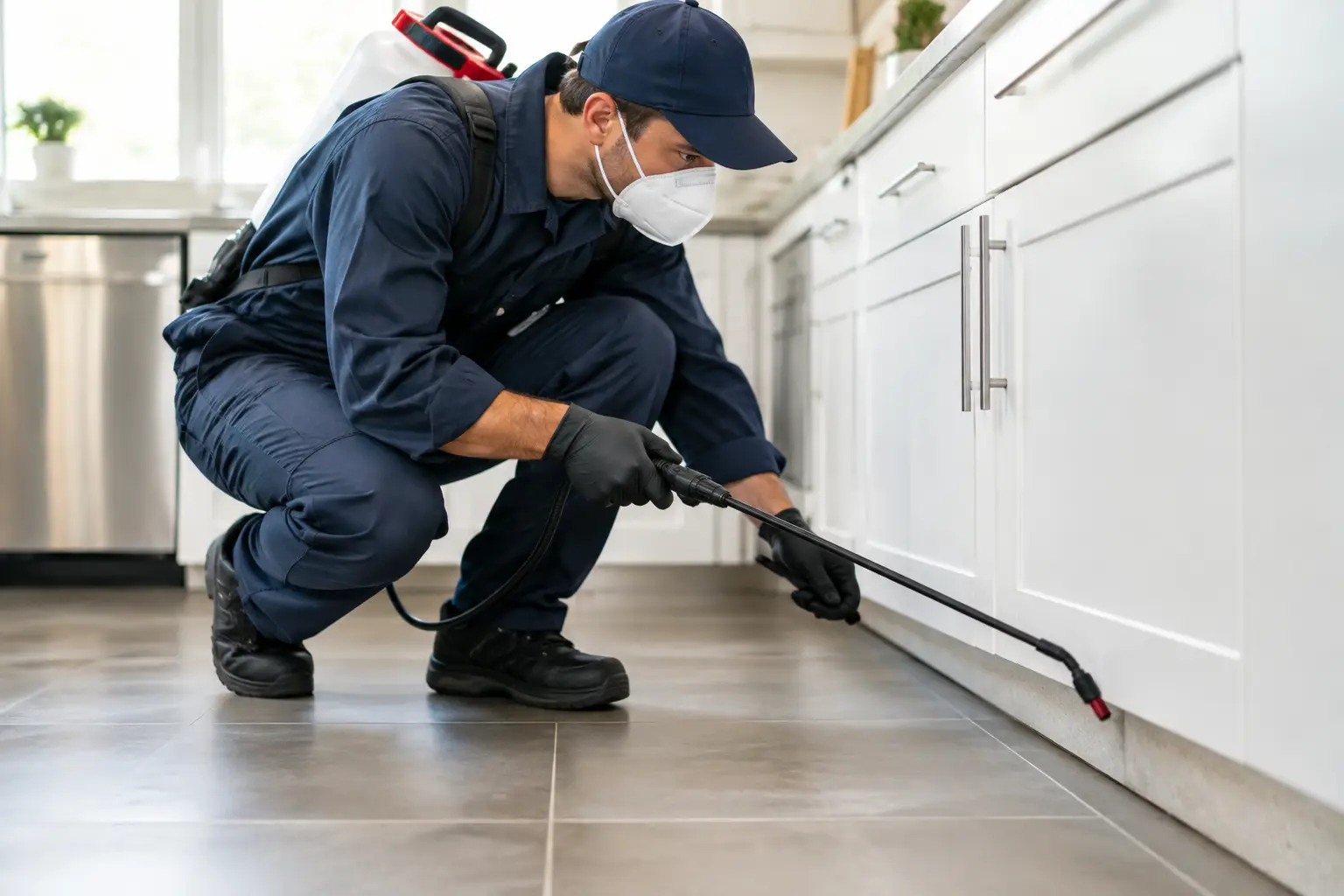
A rat scratching through the ceiling at midnight, a wasp nest beside the back door, or cockroaches appearing in a commercial kitchen before opening time can’t wait for a convenient appointment. Emergency pest control gives Melbourne homes and businesses a fast, practical path from disruption to professional treatment - without guesswork or risky DIY fixes.
The right response depends on the pest, where it is active and who may be exposed. A few ants near a window may be frustrating, but a growing trail around food storage needs prompt attention. A single spider is not always an emergency, while spiders in a child’s play area or a suspected venomous species call for greater care. Acting early is usually simpler, safer and less costly than waiting for a small problem to spread.
When to call for emergency pest control
An emergency is not only about the number of pests you can see. It is about immediate risk, rapid escalation or the potential for a pest problem to interrupt how you live or work.
Rodents are a common reason Melbourne customers need urgent help. Rats and mice can contaminate food, damage wiring, chew stored goods and move quickly through wall cavities, roof spaces and under-floor areas. If you hear repeated scratching, find droppings near food or notice gnaw marks around cables, arrange an inspection promptly. Avoid handling droppings without protection, and keep children and pets away from affected areas.
Wasps need a quick response when a nest is close to entry points, outdoor dining spaces, schools, childcare areas or a workplace. Do not spray, knock down or block a nest yourself. Disturbing it can trigger stings and make a contained problem much harder to manage. Keep the area clear, close nearby windows where practical and let a licensed technician assess the safest treatment method.
Bed bugs also deserve swift action. They are not a sign of poor housekeeping, but they can spread between rooms, luggage, furniture and adjoining dwellings. Bites, small dark spotting on bedding or live insects around mattress seams should be taken seriously. Do not move mattresses, linen or furniture through the property until you have professional advice, as this may spread the infestation.
For businesses, urgency often looks different. A cockroach sighting in a café, restaurant, warehouse or office kitchen can affect hygiene standards, customer confidence and normal operations. Flies around food preparation areas, birds entering roof voids or rodents in stock rooms also require quick, documented action. Fast treatment is useful, but a clear plan to prevent repeat activity matters just as much.
What to do before help arrives
Your first job is to protect people, pets and the property. There is no need to identify every pest perfectly before calling, but clear observations help a technician prepare for the visit. Take a photo from a safe distance if possible, note where and when you saw activity, and tell the technician whether children, pets, customers or vulnerable occupants are on site.
For rodents, secure food in sealed containers, remove accessible pet food and keep rubbish bins closed. For cockroaches and ants, wipe up spills and avoid leaving dishes or food scraps overnight. These steps will not solve an established infestation, but they reduce food sources and make treatment more effective.
If you suspect bed bugs, place recently used linen in sealed bags until you receive instructions. Avoid using bug bombs, excessive supermarket sprays or strong household chemicals. These products can drive pests deeper into cracks, contaminate living areas and interfere with targeted treatment.
With wasps, keep a safe distance and choose another route around the yard or building. If someone is stung and has breathing difficulty, facial swelling, dizziness or a known severe allergy, seek urgent medical help immediately. Pest control treatment is important, but medical care comes first in a severe reaction.
What professional emergency treatment involves
Effective emergency pest control is more than arriving quickly with a spray. A licensed technician starts by confirming the pest, locating harbourage points or entry routes, assessing the level of activity and selecting a treatment that suits the site.
For a rodent issue, this may include targeted baiting or trapping, inspection of roof voids and subfloors, and practical advice on proofing gaps around pipes, vents, doors and eaves. The treatment must account for pets, children and the layout of the property. In many cases, a follow-up visit is the sensible choice because rodents can remain hidden after the first signs of activity disappear.
Cockroach, ant and spider treatments often focus on cracks, voids, wet areas, kitchen zones and external entry points. The best product and application method depend on the species, the property’s use and the scale of the problem. A restaurant kitchen, for example, needs a different approach from a detached family home.
Bed bug work is particularly detail-focused. Technicians inspect sleeping areas, bed frames, soft furnishings and nearby cracks where bed bugs hide. Treatment may require preparation by the occupant, follow-up inspections and clear instructions about laundering, bagging and re-entry. Quick action reduces the chance of bed bugs travelling beyond the original room.
At All Guard Pest Control, fully licensed and insured technicians use professional-grade products and practical treatment plans for Melbourne properties. Same-day bookings may be available, along with 24/7 emergency support for urgent pest concerns.
Why a fast response still needs a proper plan
It is tempting to choose the quickest-looking solution when pests appear suddenly. However, speed without inspection can lead to repeat call-outs. Killing the visible insects does not always remove the nest, breeding site, food source or access point behind the activity.
A reliable emergency service should explain what has been found, what treatment is being used and what happens next. You should also know whether you need to leave the property temporarily, cover food-preparation surfaces, keep pets away from treated areas or arrange a follow-up. Plain answers are especially important for landlords, property managers and business operators who need to communicate clearly with tenants, staff or customers.
Price matters too. An urgent job should not mean unclear charges or vague promises. Ask for a free quote, confirm the scope of work and check whether follow-up treatment is recommended. Starting prices from $199 can provide a useful guide, but the final cost depends on the pest, property size, treatment requirements and severity of the infestation.
Preventing the next urgent call-out
Once the immediate issue is under control, a few routine habits can make a substantial difference. Keep food sealed, clean crumbs and grease from kitchen areas, repair leaking taps, clear clutter from garages and storage spaces, and keep vegetation from pressing against external walls. Check flyscreens, door seals and gaps around service pipes, particularly before warmer weather increases insect activity.
For commercial sites, regular inspections are often the most efficient option. They help identify pest pressure before it becomes a hygiene issue, tenant complaint or interruption to trade. Properties with frequent deliveries, shared rubbish areas, food handling or older building gaps benefit from an ongoing approach rather than emergency treatment alone.
If pests are active now, don’t wait for the problem to become harder to contain. Keep people clear of the affected area, make the site safe and arrange qualified help as soon as possible. A prompt, professional response can restore comfort at home and keep your business moving with far less disruption.