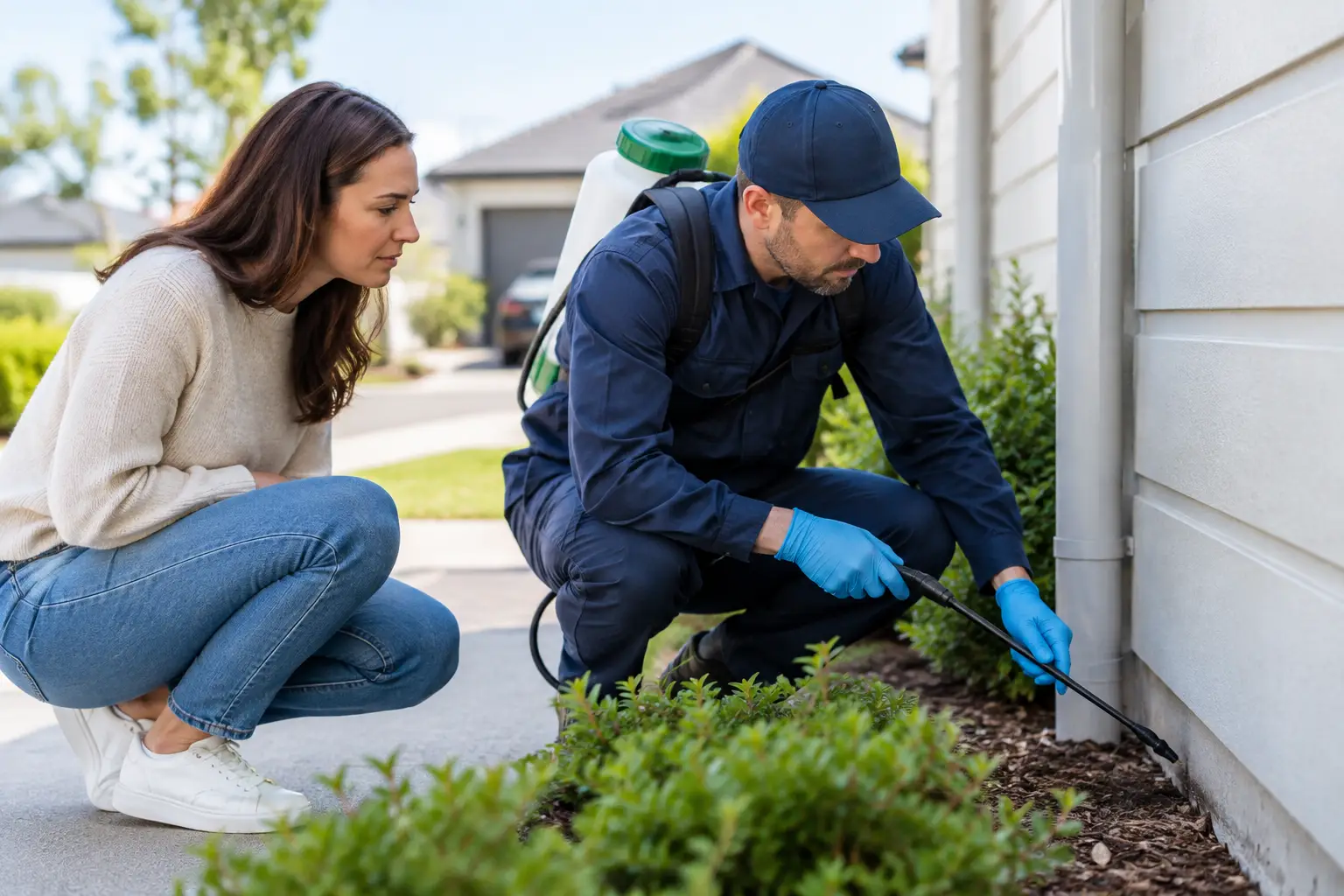
A cockroach in the kitchen is unpleasant. Rodent droppings in a pantry, bed bugs in a bedroom or a wasp nest near the front door can quickly make a rental feel unliveable. So, who pays rental pest treatment? In Victoria, the answer usually comes down to one practical question: what caused the infestation?
Responsibility is not automatically assigned to either the renter or the rental provider simply because pests have appeared. The condition of the property at the start of the tenancy, the building’s maintenance, hygiene, access points and the evidence available all matter. Acting early, documenting the problem and communicating in writing can prevent an urgent pest issue becoming a drawn-out dispute.
Who pays rental pest treatment in Victoria?
As a general rule, the rental provider is responsible when pests were present at the beginning of the tenancy or when the infestation is linked to the property’s condition. This can include gaps that allow rodents inside, damaged flyscreens, leaking pipes attracting cockroaches, roof or wall voids harbouring possums or rodents, or structural issues that support termites and other pests.
The renter may be responsible when their actions or lack of reasonable cleanliness directly caused the infestation. For example, leaving food waste exposed for an extended period, allowing rubbish to accumulate or failing to report an issue that then becomes worse may affect who pays.
Real situations are not always clear-cut. Ants may enter through an external crack, but food residue can make them harder to control. Cockroaches may arrive in moving boxes or appliances, yet a leaking kitchen pipe may give them the moisture they need to establish. The fairest outcome depends on the cause, not assumptions about the tenant or landlord.
When the rental provider will usually pay
A rental provider will generally need to arrange and pay for treatment where the property was not pest-free at the start of the rental agreement, where the pest problem arises from disrepair, or where the building itself needs work to prevent repeat infestations.
Common examples include rodents entering through holes in eaves or under doors, cockroaches breeding because of a concealed plumbing leak, or birds nesting in damaged roof areas. In these cases, spraying or baiting alone may not fix the source. Exclusion work, repairs and follow-up treatment may all be needed.
Victorian rental homes must meet minimum standards at the start of a tenancy. A property with an active infestation or conditions that readily allow pests to enter may fall short of the standard expected for a safe and habitable home. The rental provider cannot simply ask the renter to keep paying for repeat treatments if a maintenance fault remains unresolved.
Termites need particular care. They are often hidden until damage is advanced, and responsibility can depend on building condition, previous reports and whether there were warning signs. A professional inspection is the right first step before anyone decides who is liable.
When a renter may need to pay
Renters are expected to keep the property reasonably clean and avoid causing damage. If an infestation is clearly caused by the renter’s actions, they may be asked to cover the treatment cost.
This might apply where food scraps, unwashed dishes, pet food or overflowing rubbish have attracted pests over time. It may also apply if a renter notices rodents, cockroaches or ants but does not report them promptly, allowing a manageable issue to become a larger infestation.
That said, a renter should not accept blame simply because pests have been found inside. Pests are common across Melbourne, particularly during warmer months, wet weather and construction activity nearby. A qualified technician can often identify likely entry points, nesting areas and conditions contributing to the problem. That assessment can be valuable evidence if responsibility is disputed.
What if pests appear soon after moving in?
If you find pests shortly after collecting the keys, report it immediately in writing to the rental provider or property manager. Include clear photos or videos, the date, the rooms affected and any signs such as droppings, damaged food packaging, nests or insect activity.
Check your entry condition report as well. If the report notes droppings, damaged screens, gaps, stained cupboards or general cleanliness concerns, this may support your position. If it does not, your early written report still creates a useful record of when the issue was discovered.
Do not wait for the next routine inspection. A single cockroach may be an isolated visitor, but repeated sightings, daytime activity, bite marks, droppings or scratching in walls require prompt action. Early treatment is usually quicker, less disruptive and less expensive than dealing with an established infestation.
What to do before booking pest control
The fastest path is usually to notify the property manager or rental provider, ask who will arrange treatment and request a written response. If there is an immediate health or safety concern, explain that clearly. Bed bugs, rodents in food-preparation areas, stinging insects near entryways and major cockroach activity should not be left unresolved.
Keep copies of messages and take photographs before cleaning extensive evidence away. You can still maintain a hygienic home - just document the issue first. Avoid using multiple supermarket sprays, foggers or baits without advice. These products can drive pests deeper into wall cavities, interfere with professional treatment or create unnecessary risks around children and pets.
A professional inspection should identify the pest, the level of activity, likely source, treatment required and any property repairs needed. Ask for written findings where possible. This gives both parties a clearer basis for deciding what happens next.
If the rental provider agrees to treatment, confirm the appointment time, preparation requirements and whether follow-up visits are included. For some pests, especially bed bugs, cockroaches, fleas and rodents, one visit may not be enough. The successful outcome relies on proper preparation, professional treatment and addressing the cause.
Can a renter arrange treatment and ask for reimbursement?
It is safer to get approval in writing before arranging non-urgent pest treatment yourself. Without approval, reimbursement may be disputed even if the infestation was not your fault.
There can be exceptions where an issue is urgent and the rental provider or agent cannot be reached or does not act within a reasonable time. Victorian renting rules set out repair processes and steps for urgent matters, but the right process depends on the circumstances. Keep detailed records of contact attempts, invoices, reports and photos if you need to arrange emergency work.
Before spending money, make sure the provider is licensed and insured, and that the invoice describes the pest issue and work completed. A vague invoice makes reimbursement harder to pursue.
Strata, apartments and shared pest problems
Apartments and townhouses can complicate pest responsibility. A cockroach or rodent issue may begin in one dwelling but spread through common walls, service ducts, rubbish rooms, ceiling voids or shared garden areas. The owners corporation may be responsible for common property, while the rental provider remains responsible for issues inside the lot that relate to the building or its condition.
Report the problem through the managing agent so the right parties can be involved. Treating one apartment while ignoring the shared source often leads to pests returning. For a building-wide issue, coordinated treatment is more effective and gives residents a better chance of lasting control.
Commercial rentals follow different rules
For shops, restaurants, warehouses, offices and other commercial premises, the lease terms carry far more weight. A commercial tenant may be responsible for routine pest management, while the landlord may remain responsible for structural entry points, building defects or common areas.
Do not rely on residential rental rules for a commercial site. Review the lease, report the problem quickly and arrange a professional inspection. Food businesses, childcare centres and customer-facing operations should act immediately, as pest activity can affect safety, reputation and day-to-day operations.
A practical way to resolve the issue
Whether you are a renter, landlord or property manager, focus on the cause and the evidence. Report the problem early, organise a qualified inspection and make sure treatment is matched with repairs or exclusion work where needed. That approach is fairer than arguing over a single invoice while pests continue breeding.
For fast, professional treatment across Melbourne, All Guard Pest Control can inspect the issue, identify likely entry points and provide clear recommendations for treatment and prevention. A prompt inspection gives everyone the facts needed to protect the property and get life back to normal.