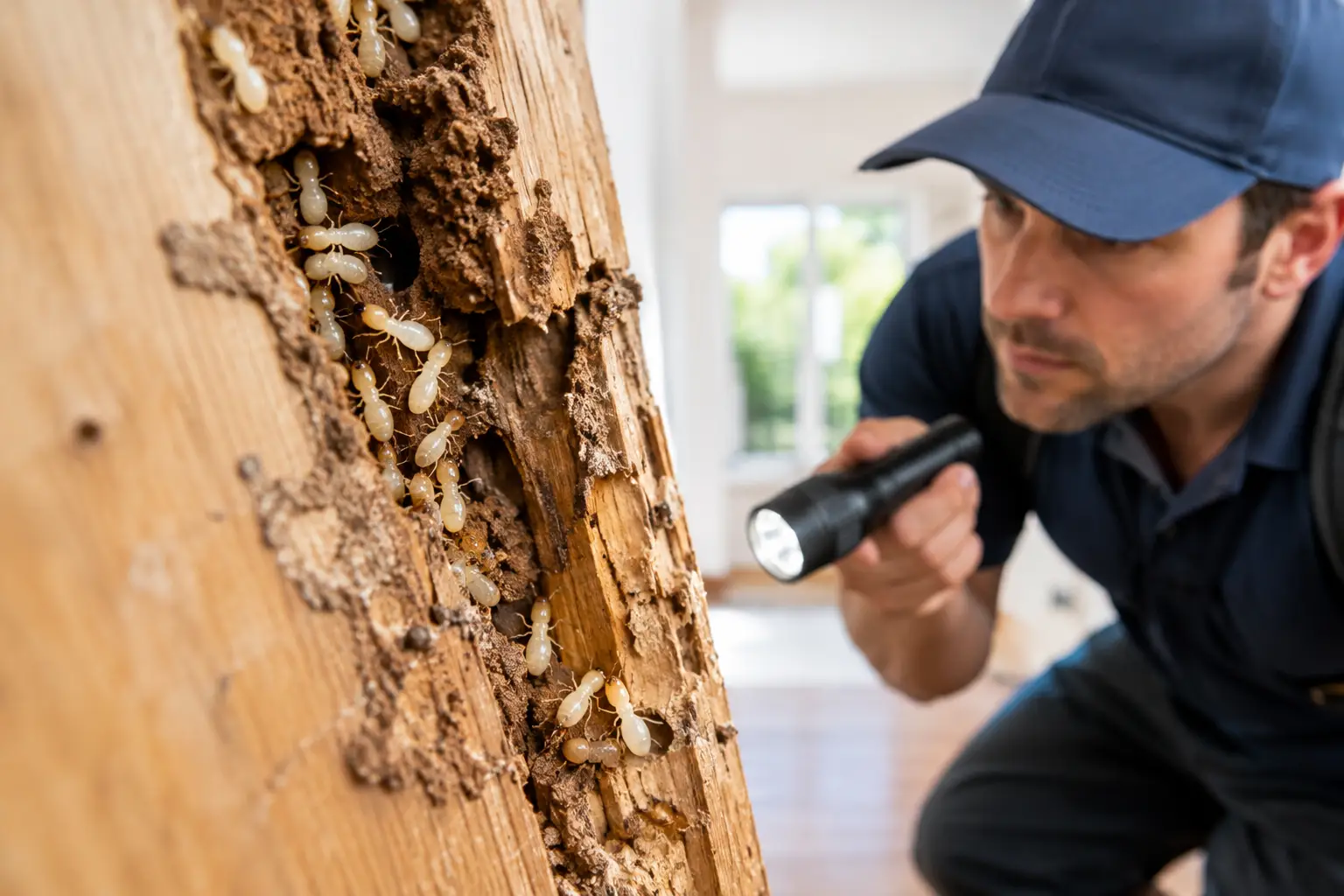
A warm, humid afternoon after rain can be enough to bring termites out of hiding - but the damage usually starts long before you see one. If you are asking when are termites most active, the short answer for Melbourne homes is spring through to autumn, particularly during warm and wet conditions. The more useful answer is that termites can keep feeding through much of the year when conditions beneath your property remain favourable.
That is why a quiet winter or the absence of visible insects should never be treated as an all-clear. Termites work behind walls, under floors and inside timber, often causing significant damage before obvious signs appear.
When are termites most active in Melbourne?
In Melbourne, termite activity commonly increases from late spring through summer and into early autumn. Warm soil temperatures, moisture and humid weather give subterranean termites the conditions they need to forage, expand their colony and search for new food sources.
The highest-risk periods often follow sustained rain combined with warmer days. Moist soil makes it easier for termites to travel underground and maintain the humidity they need to survive. Properties with poor drainage, leaking pipes, damp subfloors or timber close to the ground can become particularly attractive at these times.
Summer is also when many people first notice termite swarmers, sometimes called flying termites. These winged reproductive termites leave an established colony to start new ones. A swarm does not always mean termites are feeding inside your house, but it is a serious reason to arrange a professional inspection. It can indicate an active colony nearby, or one that has been hidden on the property for some time.
Activity does not stop when the weather cools
Termites slow down when temperatures drop, but they do not necessarily disappear in winter. A colony beneath a heated home, inside a wall cavity or in moist ground can remain active. Melbourne's variable weather also means mild winter periods may allow termites to continue foraging.
This is the key trade-off homeowners can miss: spring and summer are ideal times for termite checks because activity is easier to detect, but waiting for warm weather can give an existing colony more time to feed. A termite inspection is worthwhile whenever you see a warning sign, regardless of the season.
What weather and property conditions attract termites?
Termites need three things: moisture, shelter and a cellulose food source. Timber framing, flooring, stored wood, garden sleepers, cardboard and paper all contain cellulose. A house does not need to be old or poorly maintained to be at risk. Newer homes can be affected where construction gaps, drainage issues or timber-to-soil contact give termites a concealed entry point.
Moisture is often the deciding factor. Keep an eye on dripping taps, overflowing gutters, blocked downpipes, air-conditioning drainage and plumbing leaks. Water collecting against exterior walls or beneath the home can create the damp environment termites prefer.
Landscaping can also affect risk. Mulch piled high against a wall, timber garden edging touching the building, dense plants restricting airflow and firewood stacked beside the house can provide both food and cover. This does not mean every timber feature must be removed. It means the area should be managed so a technician can inspect critical parts of the building and termites have fewer concealed pathways.
Homes in established leafy suburbs, as well as fast-growing areas where construction disturbs soil, can face termite pressure. The location alone does not determine whether you have termites. Conditions on and around the property matter far more.
Signs termites may be active right now
Visible termites are not the most common sign. Most species avoid light and open air, so they travel through mud shelter tubes or hidden spaces. If you notice any change to timber, arrange an inspection rather than pulling materials apart yourself. Disturbing termites can cause them to retreat and makes their entry point harder to trace.
Common signs include hollow-sounding timber, skirting boards that crumble under light pressure, doors or windows suddenly becoming tight, blistered paint or unusual ripples in plaster. These symptoms can have other causes, including moisture damage, so they are not proof on their own. They do, however, justify a closer look.
Mud tubes along brickwork, piers, foundations or service pipes are more concerning. These narrow earthen tracks protect termites as they move between soil and timber. You may also find discarded wings near windows, doors or light fittings after a swarm. Flying ants can leave similar wings, so professional identification is the safest way to know what you are dealing with.
Do not rely on DIY sprays, household insecticides or store-bought bait stations to solve suspected termite activity. Surface products may kill a few insects without reaching the colony, while the remaining termites continue feeding elsewhere. Effective termite treatment starts with identifying the species, activity level, entry points and conditions supporting the infestation.
What to do if you find termite signs
First, avoid disturbing the affected area. Do not break open mud tubes, remove damaged timber or spray the insects. Take a clear photo if it is safe to do so, then keep people and pets away from the area until it has been assessed.
Next, book a licensed termite inspection promptly. A qualified technician can inspect accessible areas, look for moisture and entry points, assess whether activity is current and recommend the right treatment or prevention plan. Depending on the property and findings, this may involve targeted treatment, a baiting system, a chemical soil barrier, moisture corrections or a combination of measures.
The best option depends on the construction of your home, the termite species, where the colony is travelling and whether there is confirmed damage. Quick action matters, but so does using a treatment designed for the actual problem. A one-size-fits-all approach can leave hidden activity behind.
After treatment, ongoing inspections remain essential. Many Melbourne properties benefit from an annual termite inspection, while homes with a history of termites, high moisture levels or known local pressure may need checks more often. Your technician can recommend an inspection interval based on your property rather than a generic schedule.
Can you prevent termites before termite season?
You can reduce risk before warmer weather arrives by keeping drainage working properly, repairing leaks and maintaining clear access around exterior walls. Store firewood and spare timber away from the house, avoid bridging weep holes with soil or mulch, and make sure subfloor vents are not blocked.
Prevention is not a guarantee because termites can enter through gaps too small to notice. It does make your property less inviting and makes professional inspections more effective. The strongest protection is a combination of good maintenance, regular inspections and prompt action when conditions change.
Frequently asked questions
Are termites more active at night?
Termites generally avoid light and open exposure, so much of their movement occurs in concealed spaces and may be more noticeable at night during swarming events. Their feeding can continue day and night when conditions are suitable.
What month do termites swarm in Melbourne?
Swarming is most likely in the warmer months, often from spring into summer, especially after rain or during humid weather. Timing varies by species and local conditions, so there is no single month that applies to every property.
Is seeing flying termites an emergency?
It calls for prompt attention. Swarmers may have come from outside, but they can also indicate a colony close by. Collecting a few specimens or wings in a sealed container can help with identification, then arrange an inspection as soon as possible.
If you have found mud tubes, wings, damaged timber or a suspected swarm, do not wait for the next season to see what happens. A fast professional assessment can protect your home before hidden termite activity becomes a major repair bill. All Guard Pest Control provides dependable termite inspections and treatment advice for Melbourne property owners who need clear answers and prompt action.