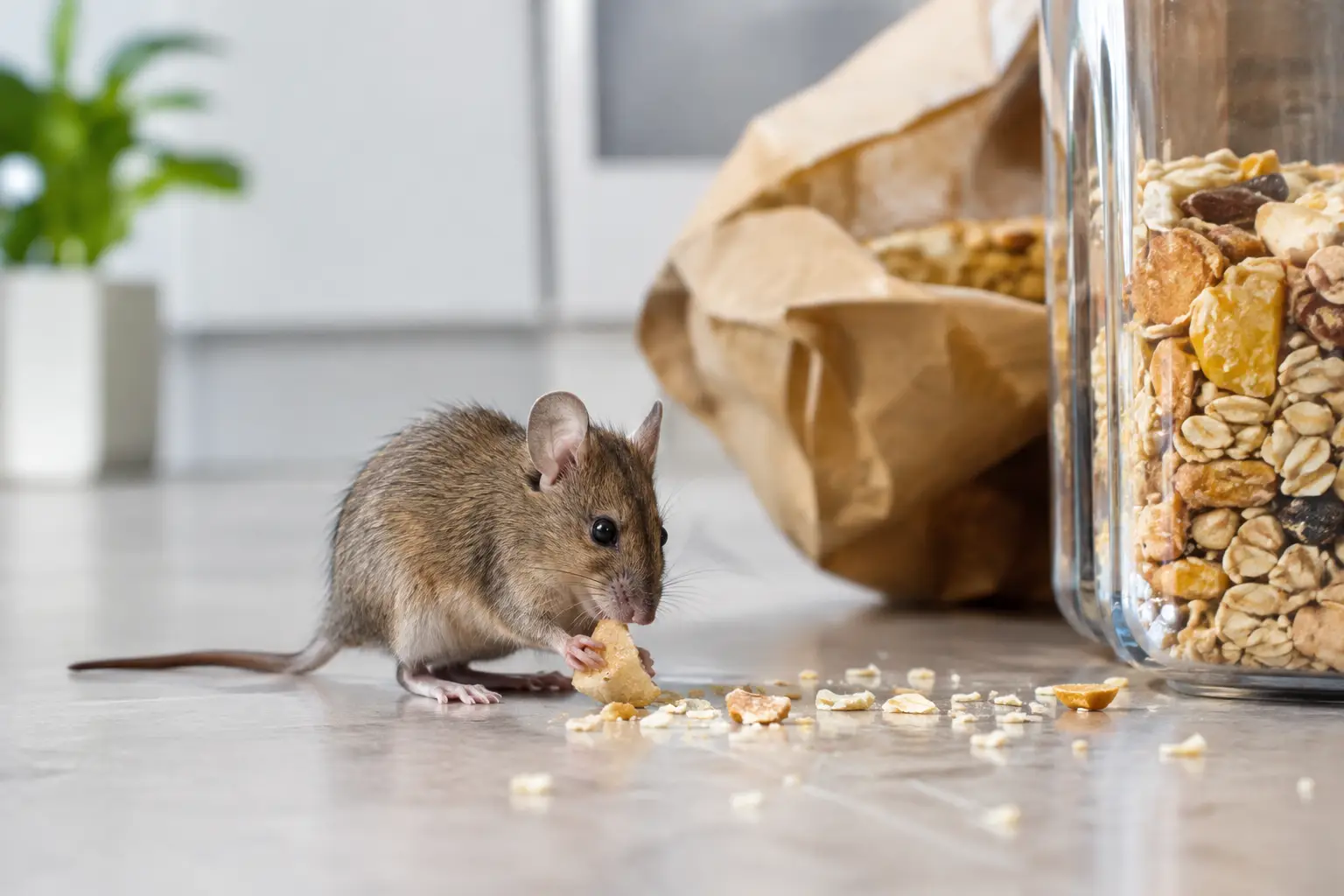
A few droppings behind the toaster, scratching in the ceiling after dark, or a chewed food packet in the pantry can turn a quiet property into a stressful problem fast. Knowing what attracts rodents indoors helps you remove the conditions that let mice and rats settle in - before a small issue becomes damage, contamination and repeated call-outs.
Rodents are not looking for a perfect home. They are looking for three basics: easy food, available water and a safe place to hide. Melbourne properties can offer all three, particularly during cooler weather, heavy rain, building works or when outdoor food sources become harder to find.
What attracts rodents indoors most often
1. Accessible food, including small crumbs
Rodents have an excellent sense of smell and will investigate far more than an open bag of cereal. Crumbs under appliances, pet food left out overnight, grease around a cooktop, fruit on the bench and food scraps in a kitchen bin can all keep them returning.
In homes, kitchens and pantries are the obvious hotspots. In cafés, restaurants, childcare centres, schools and staff kitchens, the risk is often greater because food is handled throughout the day and stored in larger quantities. A single missed clean-up area behind a fridge or beneath shelving can provide enough food for a rodent to stay nearby.
Dry goods should be kept in hard, sealed containers rather than thin cardboard or plastic packaging. Rodents can chew through many common food packets. Empty rubbish bins regularly, clean spills promptly and avoid leaving pet bowls full overnight where practical.
2. Water from leaks and damp areas
Food gets the attention, but water can be the deciding factor. Rodents need regular access to moisture, and even a slow drip under a sink may be enough. Leaking pipes, condensation around hot-water systems, blocked drains, dripping taps and water collected in trays beneath appliances all create an inviting environment.
Bathrooms, laundries, kitchens, plant rooms and storerooms deserve a close check. In commercial premises, water may also be available around cool rooms, dishwashers, ice machines, floor drains and cleaning areas.
A property does not need to feel damp overall for rodents to benefit from a small water source. Repair leaks quickly, keep drains clear and make sure wet areas are properly ventilated. If you see recurring moisture or mould, address the cause rather than simply cleaning the surface.
3. Warm, quiet nesting spaces
Rodents prefer sheltered areas where they can move without being disturbed. Roof voids, wall cavities, subfloors, garages, sheds, storage rooms and cluttered cupboards give them protection from weather, people and predators.
Soft materials make nesting easier. Cardboard boxes, old newspapers, insulation, fabric, paper bags and stored clothing can all be pulled apart for a nest. This is why rarely used storage spaces often become a problem before the main living area does.
Reducing clutter will not always solve an infestation on its own, but it removes hiding places and makes inspections more effective. Keep stored goods off the floor where possible, use sealed plastic tubs and leave enough clearance around shelves and walls to spot activity early.
4. Small gaps that provide an easy way in
Mice can fit through surprisingly small openings, while rats can enter through gaps around pipes, damaged vents, broken screens and poorly sealed doors. The gap may be beside a utility line, beneath a roller door, around an air-conditioning unit or under worn weather stripping.
Rodents do not need a wide-open door. They often follow building edges, fences, pipes and cables until they find a sheltered opening. Once inside, they can use wall cavities and ceilings to move through a property without being seen.
Check external doors for gaps at the bottom, especially garages, storerooms and loading areas. Inspect vents, roof lines, eaves, pipe penetrations and damaged brickwork. Exclusion work is most effective after an inspection confirms where rodents are travelling, as sealing an active entry point without a plan can leave rodents trapped inside.
Outdoor conditions that lead rodents inside
The source of an indoor rodent issue is often outside. Overgrown vegetation touching the building, stacked timber, dense groundcover, overflowing bins and unused materials near walls offer shelter close to potential entry points.
Bird seed, fallen fruit, unsecured compost and outdoor pet food can also attract rodents to the yard, courtyard or service area. From there, they only need an opening into the building. Keep vegetation trimmed back from walls and roof lines, store timber and supplies away from the property, and make sure bin lids close firmly.
Seasonal changes matter too. Cold nights, prolonged rain and hot, dry periods can push rodents to seek more reliable shelter, food and water indoors. In northern, western and eastern Melbourne, new construction and nearby land clearing can also disturb rodent habitats and increase movement around homes and commercial sites.
Signs rodents have already found a way in
Early action is far easier than dealing with an established population. Mice and rats breed quickly, and activity may be hidden for some time in ceilings or wall voids. Look for a pattern rather than relying on one sign alone.
Common signs include:
- Small, dark droppings in cupboards, behind appliances, along skirting boards or near food storage.
- Scratching, scurrying or gnawing noises in walls and ceilings, often at night.
- Chewed packaging, cables, timber, insulation or plastic pipes.
- A stale or ammonia-like odour in enclosed areas.
- Greasy rub marks along walls, pipes and regular travel routes.
- Shredded paper, insulation or fabric used for nesting.
Do not sweep or vacuum droppings dry. Wear gloves, ventilate the area, lightly dampen the material with disinfectant and clean it carefully. If droppings are widespread, repeated or located in food-handling areas, arrange professional advice before carrying out a major clean-up.
Why traps and poison are not always the full answer
A trap may catch one rodent, but it does not remove the food source, water source or entry point that attracted it. Similarly, bait can be useful when selected and placed correctly, but it needs careful management around children, pets, wildlife and food premises.
The right approach depends on the property and the level of activity. A single mouse in a garage may call for targeted trapping and proofing. Repeated sounds in a roof, sightings during the day, droppings in several rooms or damage to stock suggest a more established issue that needs a thorough inspection.
For businesses, a quick visible fix is rarely enough. Restaurants, retailers, factories, schools, retirement villages and childcare centres need treatment that considers hygiene, access points, staff practices and ongoing monitoring. Documentation and preventative servicing may be appropriate where rodent risk can affect customers, residents, students, stock or compliance obligations.
A practical response that stops repeat activity
Start by removing easy food and water, then reduce shelter and inspect likely entry points. This makes the property less attractive straight away. However, avoid blocking every opening at random if rodents are currently active, particularly in walls or roof spaces.
A professional inspection can identify whether the problem is mice or rats, where they are entering, where they are nesting and what conditions are supporting them. Treatment should combine targeted control with practical proofing advice, rather than relying on a single product.
If you are hearing movement in the ceiling, finding fresh droppings, or managing rodents around a food or care facility, act promptly. All Guard Pest Control provides fast rodent inspections and treatment across Melbourne, with practical recommendations to help keep the problem from returning.
A clean property can still attract rodents if there is water, shelter or a gap they can use. Deal with the first signs early, fix the conditions that brought them in, and you will have a much better chance of keeping your home or premises rodent-free.