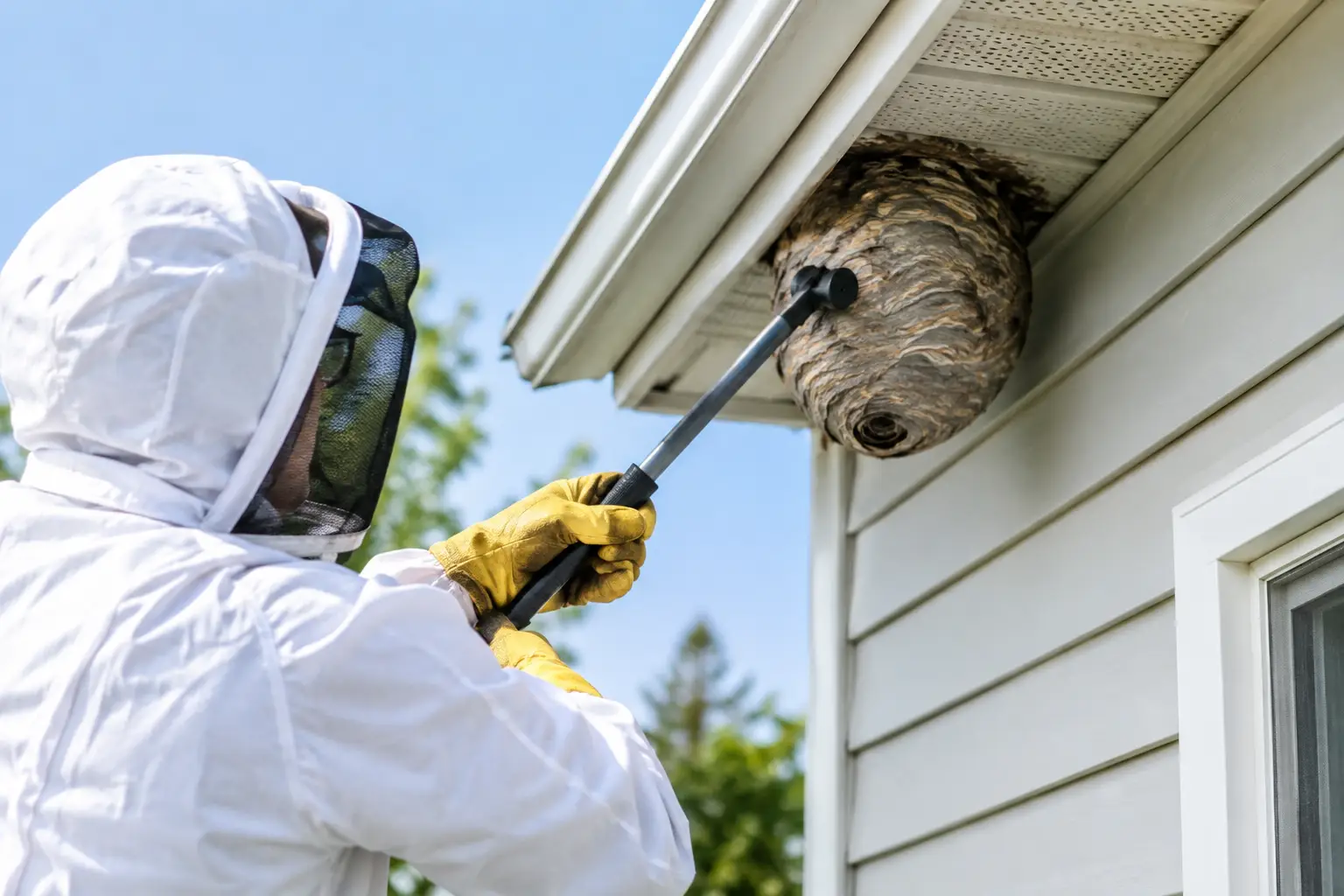
A wasp nest above the back door, inside a wall cavity or beside a busy loading area can turn an ordinary day into a safety issue quickly. Professional wasp nest removal Melbourne services are the sensible response when wasps are active around people, pets, entry points or work areas. The goal is not simply to knock down a visible nest. It is to treat the colony safely, prevent stings and make sure the area can be used with confidence again.
Wasps are especially frustrating because they tend to build close to the places people need to use: under eaves, in pergolas, roof spaces, sheds, letterboxes, garden structures and wall gaps. A small nest can become much more active as the colony grows, so waiting for the problem to disappear is rarely a good plan.
When a wasp nest needs professional attention
Any active nest near a frequently used area deserves caution. You may notice wasps repeatedly flying to one point under the roofline, entering a gap in brickwork or gathering around a tree, shed or outdoor dining space. Even if you cannot see the nest itself, regular flight activity usually means there is a colony nearby.
The urgency depends on its location and activity. A small nest high in a rarely used corner of the yard may allow time to organise an inspection. A nest near a front door, children’s play area, café seating, staff entrance or roller door should be handled promptly. Disturbing a nest can trigger a defensive response from several wasps at once, rather than a single sting.
Take extra care if anyone at the property has a known insect-sting allergy. For these households and workplaces, a nest near daily foot traffic is not a job to put off. Keep people and pets away from the area, avoid banging nearby surfaces and arrange qualified help.
Why DIY wasp nest removal can go wrong
It is understandable to want the nest gone immediately. However, household sprays, hoses, ladders and improvised methods often make the situation worse. Wasps can react fast when their nest is threatened, and treating the wrong point can leave the colony active inside a cavity or roof space.
Access is another major issue. Nests under high eaves, inside wall voids or around electrical fittings are not safe DIY jobs. Reaching them may require working at height or close to building features that should not be soaked or damaged. There is also a risk that a partial treatment causes wasps to scatter into a living area, ceiling space or neighbouring part of the building.
Removing an old, inactive-looking nest does not necessarily mean the problem is solved. If live wasps are still entering and leaving nearby, the active colony may be hidden behind the surface. Professional assessment matters because treatment needs to target the source, not just the visible material.
What happens during wasp nest removal in Melbourne
A licensed technician starts by identifying where the wasps are entering, the type of nesting site and the safest way to treat it. This assessment is important for both homes and businesses. A visible paper nest under a pergola requires a different approach from a colony concealed in a roof cavity or behind cladding.
The treatment is selected for the site and applied using professional-grade equipment. The technician will advise you when it is safe to use the area again and whether any follow-up is needed. In many cases, activity reduces quickly after treatment, but concealed nests can require a little more time for returning wasps to contact the treatment.
Once activity has stopped, accessible nest material may be removed where appropriate. This is not always the first step. Treating before removal helps reduce the chance of provoking live wasps or leaving active insects behind. A reliable service should explain what has been done in plain English and give practical advice for the days after treatment.
For commercial properties, treatment also needs to minimise disruption. Restaurants, warehouses, childcare settings, strata buildings and retail sites may need the work completed around customer hours, deliveries or staff access. Clear communication and safe exclusion of the affected zone help keep operations moving while the issue is resolved.
Common wasp nesting spots around Melbourne properties
Wasps choose sheltered locations that offer protection from rain, wind and disturbance. Around homes, eaves and pergolas are common, along with sheds, garages, fence lines, outdoor furniture and children’s play equipment. In newer homes, small gaps around rooflines, vents and cladding can provide access to concealed spaces.
At commercial sites, nests often appear around loading docks, bins, awnings, air-conditioning units, stairwells, car parks and storage yards. These areas can be overlooked until staff or customers start getting stung. Regular building inspections are useful where a premises has outdoor operations, food waste or multiple access points.
European wasps can be particularly troublesome because they may nest in the ground, wall voids and other hidden sites. Paper wasps commonly build the open, umbrella-shaped nests seen under eaves. The exact species is less important than the risk around the property, but identification helps a technician choose an effective treatment method.
What to do while you wait for treatment
Keep your distance and give the nest a wide berth. If it is near an entrance, use another door where possible and let everyone in the household, workplace or building know about the hazard. Do not block the entry hole with tape, foam or other materials. Wasps may find another route indoors or become more agitated while trying to get out.
Avoid mowing, pruning, pressure washing or using loud equipment close to the nest. Secure food and drink outside, particularly sugary drinks and rubbish bins, as these can attract foraging wasps. If a wasp lands on you, stay calm and move away slowly. Swatting tends to increase the chance of a sting.
If someone is stung and develops difficulty breathing, facial or throat swelling, dizziness or widespread hives, call emergency services immediately. For a mild sting, follow appropriate first-aid advice and monitor the person closely, especially children and anyone with a history of allergic reactions.
Prevention after the nest is gone
No treatment can guarantee that a completely new colony will never inspect the property, particularly during warmer months. It can, however, remove the immediate nest and reduce the conditions that make a site attractive. After treatment, check for gaps around vents, eaves, wall penetrations and sheds, then arrange repairs where needed.
Keep outdoor bins closed and clean up food scraps promptly. Cover compost where practical and avoid leaving pet food outside for long periods. If a particular pergola, shed or roofline has hosted nests before, inspect it regularly from a safe distance before wasp activity builds.
For landlords and property managers, early reporting is worth encouraging. Tenants may first notice wasps at a balcony, entryway or bin area, while the nest itself is hidden from view. Fast action protects occupants and helps avoid a small maintenance issue becoming a more urgent safety complaint.
Fast, licensed help when wasps are active
A wasp problem is one of those property issues where speed and proper treatment matter. All Guard Pest Control provides licensed, insured wasp treatment for Melbourne homes and businesses, with rapid bookings and 24/7 emergency availability for urgent situations. You should receive clear advice, transparent pricing and a treatment plan suited to the nest location - not a one-size-fits-all response.
If wasps are claiming an area you need to use, keep clear of the nest and arrange an inspection before someone gets stung. Acting early is usually the safest, least disruptive way to get your space back.