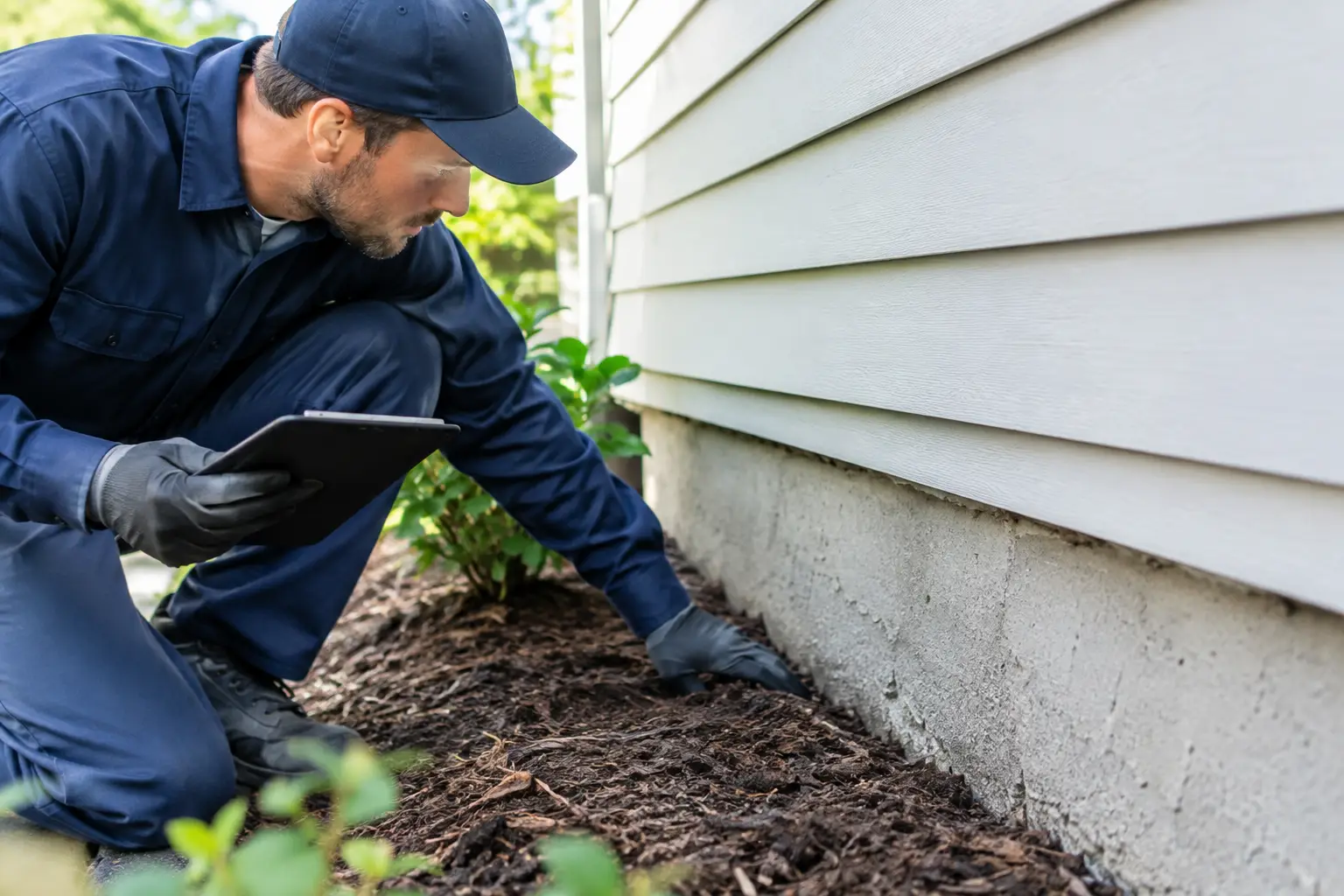
A termite colony can stay hidden in a wall, subfloor or roof void while causing costly damage. That is why termite inspection frequency should be based on your property’s risk, not simply whether you have seen an insect. By the time visible damage appears, termites may have been feeding for months or longer.
For most Melbourne homes and commercial properties, a professional termite inspection every 12 months is a sensible minimum. Some buildings need checks every six months. A qualified technician can assess the construction, site conditions and previous activity, then recommend a practical inspection schedule that gives you the right level of protection.
How often should you have a termite inspection?
Annual inspections suit many established homes, units, shops and workplaces with no known termite history and manageable risk factors. The inspection should cover accessible internal areas, the exterior perimeter, subfloor where present, roof voids, fences, landscaping timbers and likely termite entry points.
A six-monthly schedule is often the better choice where there has been previous termite activity, a treatment system is in place, or conditions around the property are especially favourable to termites. This includes homes with timber stumps, concealed areas, poor drainage, dense garden beds against walls or stored timber close to the building.
Newer homes are not automatically low risk. Construction methods can reduce termite entry opportunities, but they do not remove the need for ongoing checks. Soil movement, landscaping changes, plumbing leaks and alterations around the building can all affect termite risk over time.
For properties with an active termite management system, inspection timing may also be set by the system manufacturer or treatment plan. Missing scheduled checks can leave a gap in protection and may affect any applicable warranty conditions. Keep inspection reports and treatment records with your property documents.
When termite inspection frequency should increase
There is no single timetable that works for every address. It is worth booking inspections more often when the building or its surroundings give termites easier access or more shelter.
Properties with a history of termites should be monitored closely. Even after successful treatment, termites can return from another colony or find a different path into the structure. Treatment resolves the activity found at the time, but prevention relies on continued inspection and good property maintenance.
Moisture is another major consideration. Leaking showers, damaged gutters, overflowing downpipes, air-conditioning overflow and poor drainage create damp areas that can attract termites and make concealed activity harder to detect. Arrange repairs promptly, then have the affected area checked if moisture has been ongoing.
Older homes can need closer attention because they often have more concealed timber, subfloors, additions or service penetrations. Renovations can also change the risk. New decks, retaining walls, garden beds, paving and stored materials may conceal the edge of a building or create a bridge between soil and timber.
For schools, childcare centres, retirement villages, factories and other managed sites, scheduled termite inspections are part of sensible asset protection. These buildings may have several wings, sheds, landscaped grounds and plant rooms, making small warning signs easy to miss. A documented programme helps property managers respond early and demonstrate that maintenance is being handled responsibly.
Signs that mean you should not wait for the next inspection
Routine inspections are preventative, but certain signs call for a prompt assessment. Termites are often difficult to see, so treat changes to timber or unexplained moisture seriously.
Look for mud-like shelter tubes on external walls, stumps, piers or brickwork. These pencil-width tunnels help subterranean termites travel between the ground and a food source while staying protected. Also watch for timber that sounds hollow when tapped, paint that bubbles or cracks without an obvious water cause, sagging skirting boards, tight doors or windows, and small piles of what looks like dirt near timber.
Flying insects around windows or lights can be another clue, particularly when they appear in numbers and leave shed wings behind. Not every flying insect is a termite, and not every termite swarm means the building is under attack. However, it is enough reason to arrange a professional identification and inspection quickly.
Do not disturb suspected shelter tubes, spray insects yourself or pull apart damaged timber before the technician arrives. This can disrupt visible evidence without addressing the colony. Take a clear photo if safe to do so, keep people away from the area, and arrange an inspection as soon as possible.
What a professional termite inspection involves
A proper inspection is more than a quick look around the outside of a house. A licensed technician assesses accessible parts of the property for active termites, damage, conditions that can encourage activity and areas where visibility is limited.
The inspection may include internal rooms, cupboards, garages, roof voids, subfloors, exterior walls, fences and surrounding grounds. Technicians use experience and suitable detection equipment to assess suspicious areas, but no inspection can guarantee access to spaces hidden behind fixed linings, furniture, insulation, stored goods or unsafe structures. A clear report should explain what was inspected, what could not be accessed, any findings and the recommended next steps.
If activity is found, treatment should be planned for the specific building and infestation. The right approach depends on the species, location of activity, construction type and ability to locate the colony. A fast response matters, but so does a treatment plan that protects the structure rather than relying on a temporary surface fix.
Small maintenance jobs that support inspections
An inspection is your main line of defence, and a few practical habits make the technician’s job easier. Keep garden mulch, soil and vegetation below weep holes and away from the building edge where possible. Avoid stacking firewood, timber offcuts, cardboard or old furniture against walls.
Make sure gutters and downpipes direct water away from the building, and repair plumbing leaks without delay. If you have a subfloor, keep vents clear and avoid blocking access points. Before an inspection, moving stored boxes away from perimeter walls and clearing access to the manhole can help ensure more of the property can be assessed.
These measures reduce favourable conditions, but they do not replace a professional inspection. Termites can enter through very small concealed gaps and travel well beyond obvious timber piles or garden beds.
Choosing the right inspection schedule for your property
Start with a 12-month professional inspection if your property has no known activity and no major risk factors. Move to six-monthly checks if there is a termite history, an installed management system requiring regular monitoring, significant moisture issues, concealed construction or a high-value commercial site where disruption would be costly.
The best schedule may change. A property that has just been renovated, had a drainage issue, or undergone termite treatment deserves a fresh review. For landlords and property managers, setting calendar reminders and keeping each report on file prevents inspections from being forgotten between tenancy changes and maintenance requests.
All Guard Pest Control provides professional termite inspections across Melbourne, with qualified technicians who can explain the findings in plain English and recommend the next practical step. If you have noticed a warning sign or your last inspection date has passed, acting now is usually far easier than repairing damage later.