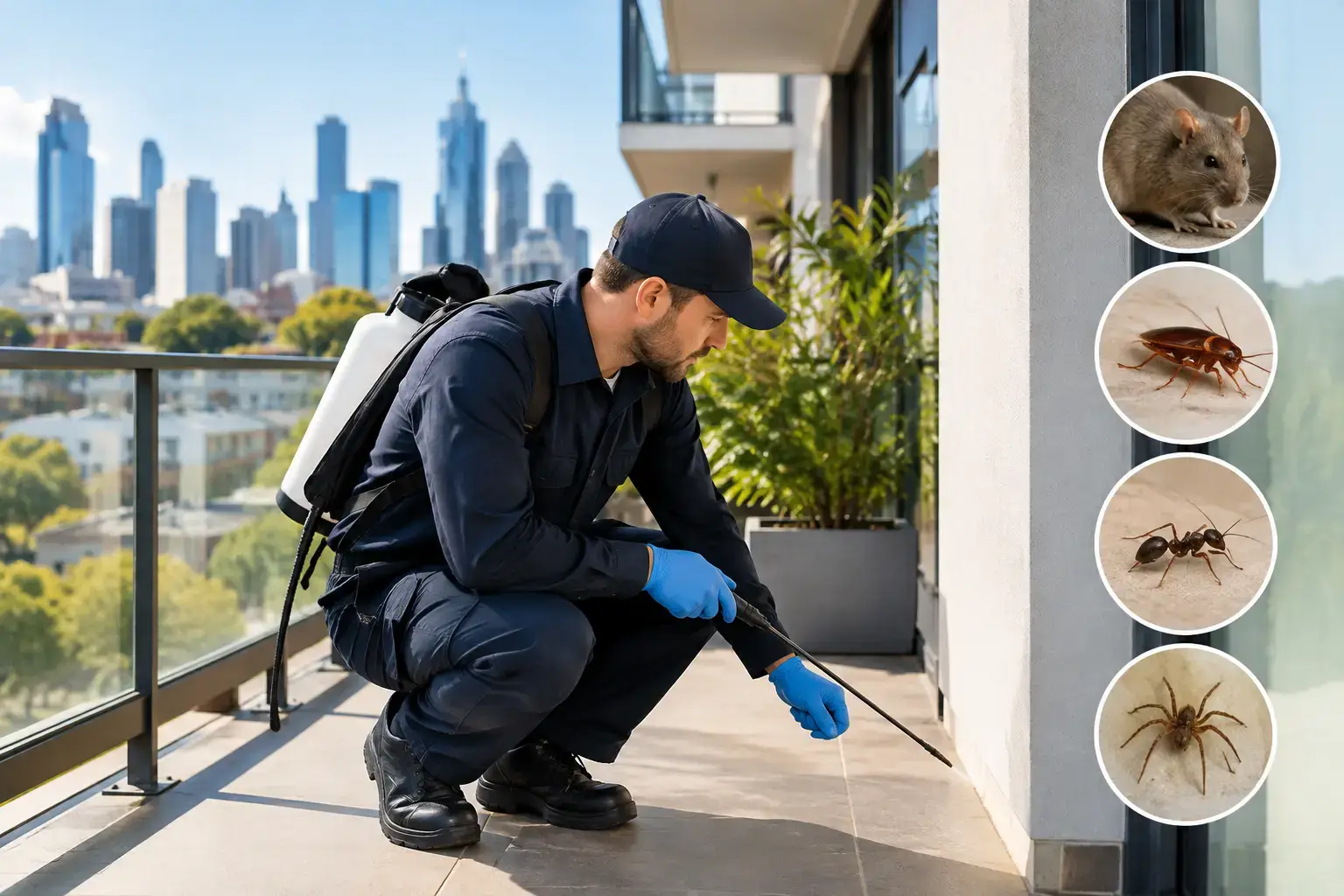
A single cockroach in a hallway, scratching sounds above a top-floor ceiling or droppings near shared bins can quickly become a whole-building problem. This strata pest management guide gives owners corporations, property managers and residents a practical way to respond before pests affect multiple lots, shared areas or your property’s reputation.
For strata properties, pest control is rarely as simple as treating one unit. Pests move through wall cavities, roof voids, pipes, rubbish areas, car parks and common gardens. The fastest path to a lasting result is clear communication, a proper inspection and treatment that addresses the source - not just the visible activity.
Why strata pest management needs a clear plan
Apartments, townhouses and mixed-use buildings create ideal pathways for pests. Rodents can travel through ceiling spaces and service penetrations. Cockroaches often spread between kitchens, bathrooms and waste rooms. Ants can enter through small gaps around balconies, windows and plumbing. Bed bugs may be introduced into one residence and require a careful, coordinated response to prevent further spread.
The challenge is that the affected area is not always where the infestation started. A resident may notice cockroaches in their kitchen, for example, while the underlying issue is a shared waste room, leaking pipework or an untreated neighbouring lot. Treating only the complaint location may reduce activity temporarily but leave the main harbourage untouched.
A good pest management plan protects residents, visitors, staff and contractors while giving the owners corporation a clear record of what was found, what was treated and what follow-up is required. It also helps avoid unnecessary call-outs caused by repeated, isolated treatments.
Set responsibilities before a pest issue escalates
Pest responsibility in strata can depend on the building’s plan, by-laws, lease arrangements and where the activity is occurring. In general, common property issues are managed through the owners corporation or appointed manager, while pests limited to an individual lot may be the responsibility of the owner or tenant. However, the boundaries are not always obvious.
If rodents are entering through a shared roof void, a building-wide inspection makes sense even if only one resident has reported them. If bed bugs are confirmed inside one apartment, treatment should focus on that residence, but neighbouring lots may need discreet checks where there is a genuine risk of spread. If cockroaches are appearing in several units, common areas, bin rooms and service ducts should be included in the assessment.
The key is not to make assumptions. Arrange an inspection that identifies the pest, likely entry points, affected locations and conditions attracting activity. That gives the committee or property manager a practical basis for deciding the next step.
Keep communication factual and timely
Residents should know what is happening without being alarmed or blamed. A short notice can explain the pest identified, the treatment date, any access requirements and simple preparation steps. It should also ask residents to report sightings promptly, especially in shared areas.
For privacy-sensitive issues such as bed bugs, communication needs extra care. Share only the information people need to protect their own home and support the treatment program. Avoid naming residents or making claims before the issue is confirmed.
Start with an inspection, not a guess
Professional pest management begins by confirming the pest. Different species need different treatment methods, and misidentification can waste time and money. Small cockroaches in a kitchen are treated differently from large outdoor cockroaches entering after rain. A bird issue around balconies requires a different approach from rodents nesting in a plant room.
During a strata inspection, a technician should assess common risk areas such as rubbish rooms, bin chutes, loading areas, basements, storage cages, roof spaces, gardens, utility rooms and external building edges. In some cases, selected lots may also need inspection with resident permission.
The inspection should look beyond pests themselves. Food spills, overflowing bins, standing water, damaged door seals, gaps around pipes and dense vegetation against the building can all contribute to recurring activity. This is where a prevention plan becomes more valuable than a one-off spray.
Match treatment to the pest and the building
There is no single treatment that suits every strata site. The right approach depends on the pest, extent of activity, building layout, resident access and whether the property includes food businesses, childcare settings, offices or retail tenancies.
For cockroaches, targeted baiting, monitoring and treatment of harbourage areas are often more effective than broad spraying alone. Follow-up visits may be needed in buildings with persistent activity or high turnover of residents.
For rodents, treatment should combine safe control measures with proofing advice. Removing rodents without sealing access points can lead to new activity within weeks. Common entry points include gaps beneath doors, damaged vents, roof penetrations and openings around services.
For ants, locating the trail and nesting source matters. Treating a visible trail may give short-term relief, but baiting and exterior treatment can be needed to stop the colony returning.
For spiders, wasps and flies, the focus may be external building maintenance, nesting sites, lighting, drainage or rubbish management. For birds, a site-specific assessment is essential because deterrents must suit the building and the species involved.
Termite management requires particular care. If termites are suspected in common landscaping, retaining structures or a building element, avoid disturbing the area. Arrange an urgent professional assessment so the species, activity and treatment options can be properly considered.
Make prevention part of routine building maintenance
The most effective strata pest control programs combine scheduled service with everyday site management. You do not need to turn residents into pest experts, but simple building standards make a real difference.
Keep rubbish rooms clean, bins closed and collection areas free from loose waste. Repair water leaks promptly, particularly in plant rooms, basements and common bathrooms. Ensure external doors close properly, and seal gaps around plumbing or electrical penetrations where practical. Gardens should be maintained so vegetation does not create hidden access routes against walls or near balconies.
Property managers can also keep a simple pest sighting register. Record the date, location, pest type where known and any action taken. Patterns become easier to spot when reports are tracked. Repeated sightings around one bin room or floor level may point to a building issue that needs targeted attention.
Schedule services around real risk
Some strata buildings benefit from quarterly preventative treatments, particularly those with busy rubbish areas, ground-floor food premises, older service infrastructure or nearby construction. Others may only need periodic inspections plus fast response when activity is reported.
It depends on the property. A small, well-maintained townhouse complex has different needs from a high-rise apartment building, retirement village or mixed retail and residential site. A licensed technician should recommend a schedule based on observed risk rather than selling unnecessary treatments.
Choose a provider that can coordinate the job
For strata managers and committees, reliability matters as much as treatment quality. The provider needs to communicate clearly, attend on time, work safely around residents and provide practical recommendations after the visit. They should also be properly licensed and insured, with experience handling both common areas and resident access requirements.
Ask what the service includes: inspection scope, treatment locations, resident preparation, reporting, follow-up visits and any exclusion or proofing recommendations. Transparent pricing and a clear quote help the committee make decisions without surprises.
Urgent problems also need urgent access. A wasp nest near an entry, rodents in a childcare-adjacent facility or cockroach activity in a commercial kitchen cannot wait for a vague appointment window. Melbourne strata properties need a provider that can respond quickly when safety, hygiene or operations are affected.
All Guard Pest Control supports strata properties across Melbourne with licensed technicians, commercial-grade treatments, free quotes and fast service when the issue cannot wait. For ongoing sites, a planned program can help keep common areas protected and reports organised.
What residents can do between services
Professional treatment works best when residents support it with basic housekeeping and early reporting. Food should be stored in sealed containers, pet bowls cleaned up overnight where possible and rubbish removed regularly. Residents should avoid using uncontrolled store-bought chemicals in shared problem areas, as these can interfere with baiting programs or push pests into other parts of the building.
Most importantly, report signs early. One rodent dropping, repeated cockroach sightings or a suspected bed bug should be raised before it becomes a building-wide issue. Fast reporting gives the manager and pest technician more options and usually keeps treatment simpler.
A well-run strata pest plan is not about waiting for a complaint to become a crisis. It is about acting early, treating the real source and giving every resident confidence that the building is being looked after.