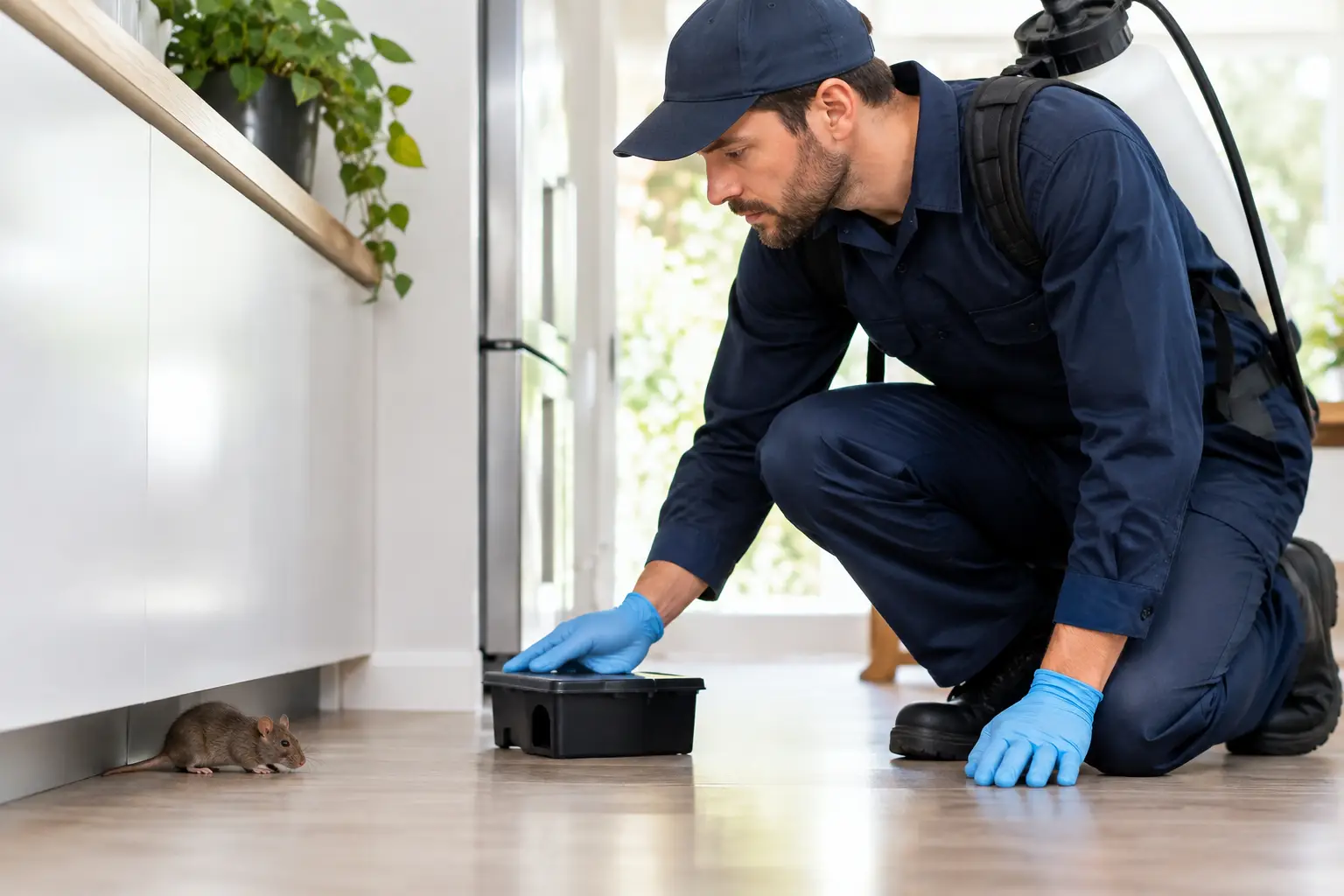
A scratching sound in the ceiling after dark, droppings in the pantry or chewed food packets are not small household annoyances. They are signs that rodent control Melbourne homes need should happen quickly. Mice and rats breed fast, contaminate food and can damage wiring, insulation and stored belongings before you have seen one in plain sight.
The right response is not simply putting down a few traps and hoping for the best. Effective rodent control finds out how the animals are getting in, removes the active problem and makes the property harder to re-enter. That is how you get lasting results rather than a short break from the scratching.
Why rodents become a problem so quickly
Melbourne homes offer rodents exactly what they need: warmth, shelter, water and a reliable food source. A small gap around plumbing, a damaged vent, an open garage door or a loose roof tile can be enough for a mouse to enter. Rats can exploit larger openings around subfloors, sheds, wall cavities and rooflines.
Once inside, rodents tend to stay close to cover. They travel behind appliances, inside cupboards, through ceiling spaces and along walls rather than crossing open rooms. That is why an infestation can be established well before a resident spots a rodent.
Mice are particularly difficult to ignore once they settle in. They reproduce rapidly and can squeeze through very small gaps. Rats are generally more cautious, but they cause more obvious damage through gnawing and can leave larger droppings in roof voids, garages and outdoor areas.
The health and property risks are practical, not theoretical. Rodents can contaminate benches and food storage areas, carry fleas and mites, and chew electrical cabling. If there is a burning smell, flickering power or visible chewed wiring, arrange an electrician as well as pest treatment. Do not handle damaged electrical cables yourself.
Signs your home needs rodent control
A single sighting can justify action, but rodents often leave clearer evidence behind. Fresh droppings are usually dark and soft-looking, while older droppings become dry and dull. Gnaw marks on food packaging, timber, plastic pipes or cables point to ongoing activity.
Listen for scratching, scurrying or light thumping in the roof, walls or under the floor, especially overnight. A stale, musky smell in a cupboard, pantry or ceiling space can also build up where rodents nest. Pets may repeatedly stare at a wall, paw under kitchen cabinets or become unsettled around one particular area.
Outside, look for burrows near garden beds, under decking, beside sheds and around bins. Greasy rub marks can appear along walls or beams where rats repeatedly travel the same route. These signs help identify activity, but they do not always reveal the entry point. A professional inspection is often the fastest way to locate the full extent of the issue.
Rodent control for Melbourne homes starts with inspection
The best treatment depends on the species, where it is active and who uses the property. A home with toddlers, pets or wildlife nearby needs a different approach from an empty investment property or a warehouse. That is why inspection comes first.
A licensed technician checks likely harbourage and entry areas, including the roof void, subfloor where accessible, garage, kitchen, laundry, external walls, sheds and rubbish areas. They look for droppings, nesting material, gnawing, tracks and access gaps. The aim is to understand the rodent's travel path, not just treat the spot where a dropping was found.
Treatment may involve secured bait stations, targeted trapping or a combination of both. Baits need to be professionally selected, placed and monitored. Loose bait placed in the wrong location can create unnecessary risk for children, pets and non-target animals. Traps can be effective for a small, localised mouse problem, but they must be positioned correctly and checked regularly.
For larger or longer-running infestations, follow-up matters. Rodents may die or be caught after the first visit, yet an unsealed entry point can allow new activity to begin. A proper plan covers removal, monitoring and exclusion work.
What exclusion work looks like
Exclusion means closing the gaps rodents use to enter. This might include repairing damaged flyscreens and vents, sealing gaps around service pipes, fitting appropriate mesh to openings, repairing weather seals and keeping roof access points in good condition. The material and method matter. A quick patch that can be chewed through is rarely a permanent answer.
Some access points are difficult to reach or are linked to building repairs. In those cases, pest treatment controls the immediate infestation while the homeowner, landlord or relevant tradesperson addresses the structural issue. Clear advice about what needs to be fixed helps prevent the same issue returning months later.
Practical prevention between treatments
Good housekeeping supports treatment, but it does not replace it when rodents are already nesting inside. Focus on removing easy food and shelter rather than trying to make the whole home look perfect.
Keep dry goods in sealed containers and clean crumbs from behind appliances where possible. Put pet food away overnight, rinse recyclable containers and make sure outdoor bins close securely. Avoid leaving bird seed, fallen fruit or food scraps around the yard, as these can attract rodents close to the house.
Outside, reduce cover near external walls. Trim dense vegetation back from the building, keep firewood raised and away from the home, and avoid piling stored items directly against fences or sheds. Check for leaking taps, air-conditioner drainage issues and pet water bowls that can provide a regular water source.
These measures make a real difference, but there is a trade-off. Sealing every suspected gap before the active rodent problem is assessed can sometimes trap an animal inside a wall or roof void. If you are hearing frequent activity indoors, arrange an inspection before doing major sealing work.
When DIY rodent control is not enough
A trap under the sink may catch one mouse, particularly if it has wandered in through an open door. It is less likely to resolve repeated roof noises, ongoing droppings or damage across several rooms. DIY products also make it easy to treat the visible area while missing the nesting site and entry route.
Call for professional rodent control if you have repeated sightings, fresh droppings after cleaning, noises in the ceiling, visible gnaw damage, a strong odour, or concern about children and pets accessing bait. Fast action is also sensible when preparing a property for sale, moving into a new rental, managing a tenancy or reopening a business premises after a closure.
For urgent infestations, same-day support can stop the problem from worsening while you wait. Ask what the inspection includes, how the treatment is suited to your household, whether follow-up is recommended and what exclusion steps you should complete. Clear answers are a good sign that the work is being planned for your property rather than treated as a one-size-fits-all job.
Get help before the problem spreads
Rodents rarely disappear because they have been left alone. Early treatment is usually simpler, less disruptive and less costly than dealing with established nesting, damaged wiring or contamination across the home. If you have noticed the signs, All Guard Pest Control can assess the activity, provide a clear treatment plan and help protect your home from repeat entry.
A quick inspection now can save you from hearing that first scratch in the ceiling become a much bigger problem later.