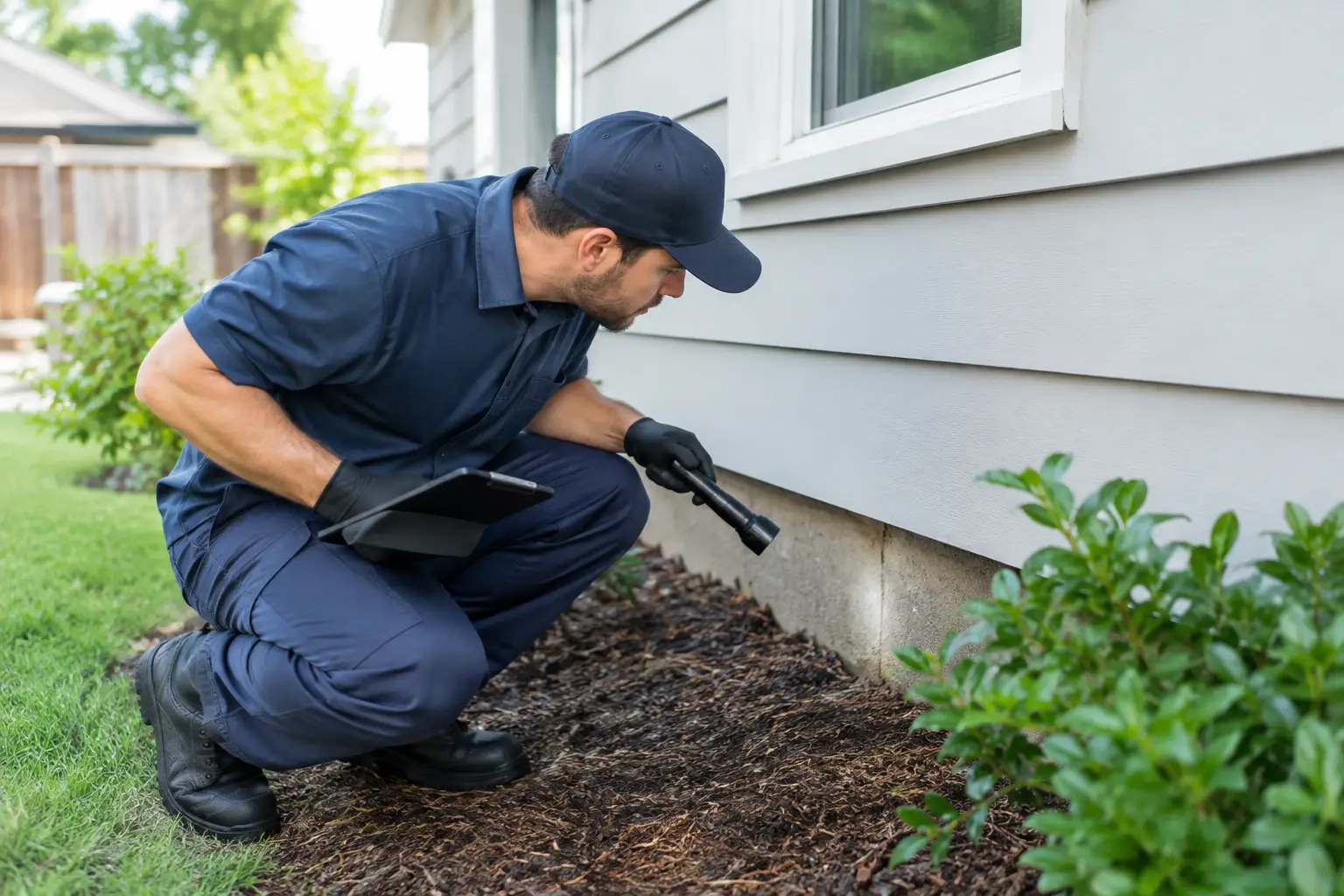
A scratching sound above the ceiling, cockroaches appearing after dark or ants repeatedly crossing the kitchen bench can point to a bigger problem than one pest in plain sight. A residential pest inspection Melbourne homeowners arrange early can identify where activity is coming from, how far it has spread and what needs to happen next.
For Melbourne homes, pest problems are rarely one-size-fits-all. Older weatherboard homes, new estates, apartments, rental properties and homes near parkland each present different access points and harbourage areas. A proper inspection gives you clear answers before pests cause more disruption, damage or stress.
What a residential pest inspection in Melbourne checks
A professional inspection is a practical assessment of the areas pests use to enter, nest, feed and breed. The technician starts by listening to what you have noticed - where pests have been seen, when activity occurs and whether the problem is getting worse. Those details help direct the inspection, but they do not replace checking the property properly.
Inside, attention is generally given to kitchens, pantries, laundries, bathrooms, roof voids, subfloors where accessible, wardrobes and storage spaces. These areas offer warmth, moisture, food scraps, plumbing penetrations and quiet hiding places. Technicians look for live pests as well as the signs they leave behind, such as droppings, shed skins, egg cases, grease marks, gnawing damage, webbing and unusual odours.
Outside, the inspection may cover external walls, eaves, vents, drainage points, garden edges, sheds, garages, fences and rubbish storage areas. Rodents can enter through surprisingly small gaps. Ants may travel through cracks or around pipes, while spiders often build up in undisturbed corners, outdoor furniture and garden clutter.
The exact scope depends on the pest concern and property layout. A termite inspection, for example, requires a more specialised focus on timber structures, moisture-prone areas and conditions that can conceal termite activity. Bed bug inspections centre on bedrooms, furniture and adjoining rooms. The key is matching the inspection to the risk, rather than applying a generic checklist.
Why early inspection saves time and money
Most pests stay out of sight until their numbers increase or their damage becomes hard to ignore. By the time rodents are heard every night or cockroaches are visible during the day, there may already be an established infestation. An inspection can reveal the likely source before the issue becomes more expensive to treat.
This matters particularly for landlords and property managers. A quick response helps protect tenants, reduce complaints and document the condition of the property. For homeowners, early action can prevent contamination in food areas, damage to insulation or wiring, and the frustration of repeated DIY attempts that only address the pests you can see.
It also helps to separate a temporary sighting from an ongoing issue. One spider near a window does not always mean treatment is required. Repeated sightings, egg sacs, multiple webs or spiders appearing indoors can indicate conditions worth addressing. The same applies to ants after rain, flies around bins and occasional cockroaches. A technician can advise whether monitoring, proofing, treatment or a combination is the sensible next step.
Common signs that you should book an inspection
If you see pests repeatedly, it is worth acting before they settle in. Some signs are obvious, while others are easy to miss during a busy week.
- Rodent droppings, gnaw marks, scratching noises or a stale smell in cupboards, ceilings or the garage.
- Cockroaches in kitchens, bathrooms or laundries, particularly during daylight hours.
- Ant trails that return after cleaning, especially around food, sinks, windows or wall gaps.
- Wasp nests under eaves, in wall cavities, sheds or trees close to entry areas.
- Bite marks or blood spotting on bedding that may indicate bed bugs.
- Timber that sounds hollow, mud-like shelter tubes or unexplained damage that could be termite related.
Do not disturb a suspected wasp nest or attempt to spray into a wall cavity. Likewise, avoid moving bedding, furniture or belongings between rooms if bed bugs are suspected. These actions can spread pests and make a treatment more difficult.
What happens after the inspection
A useful inspection should end with a clear explanation, not vague advice. You should understand what pest activity was found, the likely source, any conditions contributing to the issue and the recommended action. If treatment is needed, the technician should explain what is involved, how to prepare and whether anyone needs to stay away from treated areas for a period.
Treatment may involve targeted professional-grade products, baiting, trapping, exclusion work or practical recommendations to reduce food, water and harbourage. For some infestations, one visit is enough. Others require follow-up because pest life cycles, property access and the extent of activity affect results.
There are trade-offs. A low-level ant issue may respond well to targeted baiting and sealing entry points, while broad spraying is not always the best first answer. Rodent control can reduce the immediate population, but it will not remain effective if gaps around pipes, doors or rooflines are left open. The most reliable plan treats the active problem and reduces the reason pests return.
Preparing your home for a pest inspection
You do not need to scrub the house from top to bottom before an inspection. In fact, removing every visible sign can make it harder to understand where activity is occurring. Instead, provide reasonable access to the areas where you have noticed pests.
Move items away from cupboard bases, under-sink areas and garage walls where possible. Let the technician know about pets, young children, allergies and any previous treatments. If you have photos, videos or a sample of droppings safely stored in a sealed container, these can also help identify the issue.
For tenants, report pest activity to your property manager promptly and keep a record of when it was noticed. For owners and landlords, arranging an inspection quickly is often the best way to prevent a minor problem becoming a dispute, a vacancy issue or a larger repair bill.
Choosing a pest inspection service in Melbourne
Fast availability matters when pests are active, but speed should come with proper qualifications and a clear plan. Look for a fully licenced and insured technician who can assess the property, explain the proposed work in plain English and provide transparent pricing before treatment begins.
Ask whether the service includes advice on prevention and whether follow-up is recommended for your pest type. It is also reasonable to ask about product use, preparation requirements and satisfaction support. The cheapest quote may not offer the best value if it only treats a visible area and leaves entry points or hidden activity untouched.
All Guard Pest Control provides residential inspections and treatment options across Melbourne, with same-day bookings available for many urgent pest concerns. A free quote lets you understand the likely next step without being left to guess.
When it is an emergency
Some pest issues should not wait for a convenient appointment. A large wasp nest near doors or children’s play areas, a serious rodent problem in a food preparation area, or bed bugs affecting sleeping spaces may need urgent attention. If you are concerned about immediate safety, keep people and pets away from the area until professional help arrives.
For less urgent concerns, preventative inspections are still worthwhile before summer activity increases, before putting a property on the market or when moving into a new home. Pests are easier to manage when there is time to inspect carefully and choose the right approach.
A pest issue does not need to become a household takeover. If you have seen the signs, arrange a professional inspection, get a straight answer and deal with the cause while the problem is still manageable.