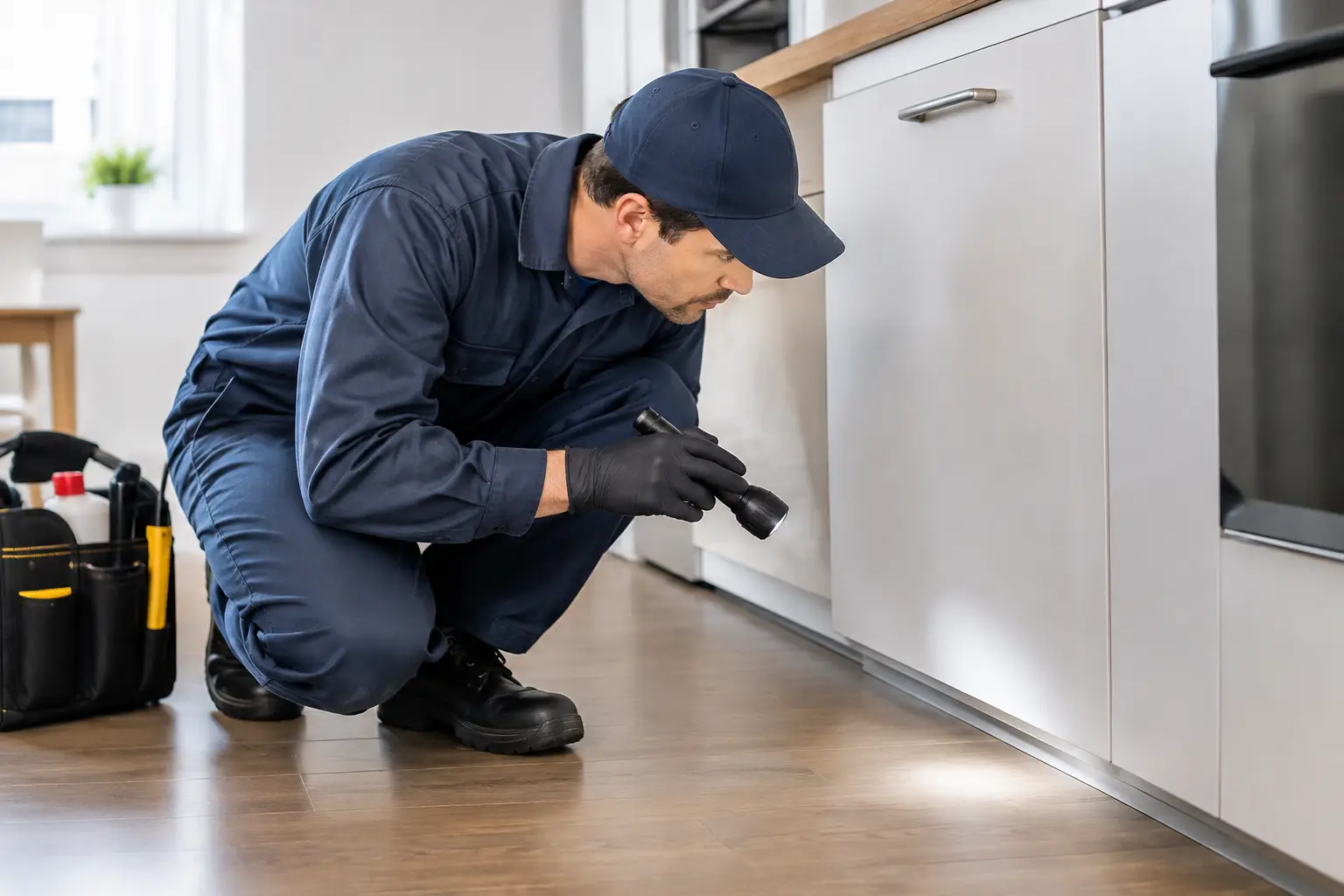
A pest inspection for landlords can prevent a small report of ants in the kitchen or scratching in the roof from becoming property damage, tenant complaints and a difficult vacancy. Rental homes see frequent changes in habits, furniture, rubbish storage and ventilation, so pest risks can appear quickly even in a well-maintained property.
The practical goal is not to find a perfectly pest-free property on every visit. It is to identify active pests, conditions that invite them in and any areas where damage may already be underway. A prompt professional inspection gives landlords and property managers clear evidence, a treatment plan and a record of reasonable action.
When should landlords arrange a pest inspection?
There is no single schedule that suits every rental property. A unit with stable, long-term tenants and no history of pests may only need an inspection when a concern is raised or between tenancies. A house with a garden, roof void, older subfloor, nearby construction or previous rodent, cockroach or termite activity deserves closer attention.
An inspection before a new tenancy is often worthwhile. It allows you to address hidden issues before keys are handed over, rather than asking a new tenant to live through treatment during their first weeks in the home. It also provides a useful baseline for the condition report.
Arrange an inspection promptly when a tenant reports droppings, bites, live insects, chewed food packaging, unusual odours, noises in walls or roof spaces, damaged timber, mud-like tubes, bird nesting material or repeated wasp activity. These signs do not all point to the same pest, but waiting for certainty can give an infestation time to spread.
For shared buildings, commercial premises and properties with a known history, planned preventative inspections are usually more cost-effective than responding only after complaints. The right frequency depends on the building, pest pressure and previous findings.
What a pest inspection for landlords should cover
A useful inspection is more than a quick look around the kitchen. A licensed technician should assess accessible internal areas, external building lines and likely entry points, then explain what was found in plain English.
Inside, attention commonly goes to kitchens, laundries, bathrooms, cupboards, skirting boards, wardrobes, roof voids where accessible and areas around plumbing. These are the places where warmth, water, food residue and concealed gaps can support cockroaches, ants, rodents, silverfish and spiders.
Outside, the inspection should consider the perimeter of the building, weep holes, vents, service penetrations, eaves, garden beds against walls, sheds, bins, drainage and overhanging vegetation. Rodents often enter through surprisingly small openings, while ants can trail through cracks around pipes and doors. Damp areas may also increase the risk of timber pests.
For termite concerns, the inspection needs to focus on conditions and evidence around timber, foundations, subfloors and perimeter access. Termites can cause significant damage without obvious surface signs, so do not rely on a tenant’s visual check alone. A professional report should outline accessible areas inspected, findings, limitations and recommended next steps.
Bed bugs need a different approach. They are often introduced through luggage, second-hand furniture or visitors rather than poor cleaning, and they can move between rooms in multi-dwelling properties. If tenants report bites or find signs around beds, lounges or seams in furniture, arrange a targeted inspection quickly and avoid moving infested items through common areas.
Separate the cause from the responsibility
Landlords need clear facts before deciding what happens next. A pest problem may be linked to a building defect, a pre-existing infestation, seasonal pressure, neighbouring properties, tenant housekeeping or a combination of factors. Assuming the cause without inspection can damage the relationship with tenants and delay treatment.
Keep communication calm and practical. Ask tenants for the date they first noticed the issue, where they have seen activity and whether they can provide photos. Confirm access arrangements, explain what preparation is required and let them know how long treatment may take. Tenants are far more likely to cooperate when they understand the process.
Responsibility can depend on the tenancy agreement, the property’s condition at the start of the tenancy and the cause of the infestation. Victorian rental requirements and individual circumstances can affect the appropriate response, so seek advice where responsibility is unclear. Regardless of who pays, active pest issues should be handled quickly to protect the property and the people living in it.
Why documentation matters
Good records help landlords make informed decisions and show that issues were addressed without unnecessary delay. Keep the inspection report, photographs, treatment details, invoices, tenant communications and any recommendations for repairs or follow-up.
This is especially valuable between tenancies. If an inspection finds no active infestation but identifies gaps under doors or damaged flyscreens, arranging those repairs creates a clear preventative record. If an infestation is found, the report can help distinguish fresh activity from old evidence and support a targeted treatment plan.
Documentation also helps property managers communicate with owners, tenants and trades. Instead of passing on a vague note about “bugs”, everyone can work from the identified pest, affected locations, preparation requirements and recommended follow-up date.
Prevention work that protects the property
Treatment removes or reduces the immediate pest problem, but prevention reduces the chance of a repeat call-out. Some steps sit with the owner because they involve the building itself. Others require tenant cooperation as part of normal property care.
Landlords should make sure leaking taps, damaged roof tiles, broken vents, torn screens and gaps around pipes or doors are repaired. Moisture attracts a range of pests, and unsealed entry points make it easier for rodents and insects to get indoors. Keep exterior bins serviceable, clear clutter from against exterior walls and avoid dense vegetation touching the building where possible.
Tenants can assist by storing food in sealed containers, cleaning up spills, putting rubbish out regularly and reporting water leaks or pest activity early. These are reasonable, practical measures, but they are not a substitute for resolving structural issues or arranging professional treatment when an infestation is active.
In apartment buildings, coordinate with the owners corporation or building manager where pests may be moving through common areas, service risers or adjoining lots. Treating one flat in isolation can offer only short-term relief if the source is elsewhere.
Choosing the right treatment response
The best treatment depends on the pest, the extent of activity, the property layout and who occupies the home. A single ant trail may need a targeted bait and entry-point assessment. Rodent activity may require baiting, trapping, proofing advice and a return visit. Cockroach problems often need treatment across harbourage areas, hygiene guidance and follow-up to break the breeding cycle.
For severe or urgent issues, speed matters. Bed bugs, wasps near doorways, rats in a roof space and widespread cockroach activity can quickly affect a tenant’s comfort and ability to use the property normally. Same-day help may be appropriate where there is active risk or significant disruption.
Do not choose treatment solely on the lowest price. Ask whether the technician is licensed and insured, what the service includes, whether preparation is required, how occupants and pets should be protected, and whether follow-up is recommended. A cheap one-off spray can be poor value if it does not address the source of the problem.
All Guard Pest Control provides inspections and targeted treatment for Melbourne rental properties, with clear recommendations and rapid booking options when an issue cannot wait.
A practical approach between tenancies
The period after one tenant leaves and before another arrives is the easiest time to inspect thoroughly and complete work with minimal disruption. Check for signs in cupboards, behind appliances, inside wardrobes, around bins, in outdoor storage and along external walls. Review maintenance issues such as leaks, loose seals and damaged screens at the same time.
If there has been recent pest activity, do not rely on a general clean alone. Arrange treatment and allow enough time for any follow-up recommended by the technician. For properties that have been vacant for a while, check water sources and outdoor areas too, as stagnant water, overgrown gardens and undisturbed spaces can attract pests.
A well-timed inspection is a straightforward part of protecting a rental asset. It gives tenants a better start, helps avoid avoidable disputes and means small warning signs are dealt with before they become expensive repairs.