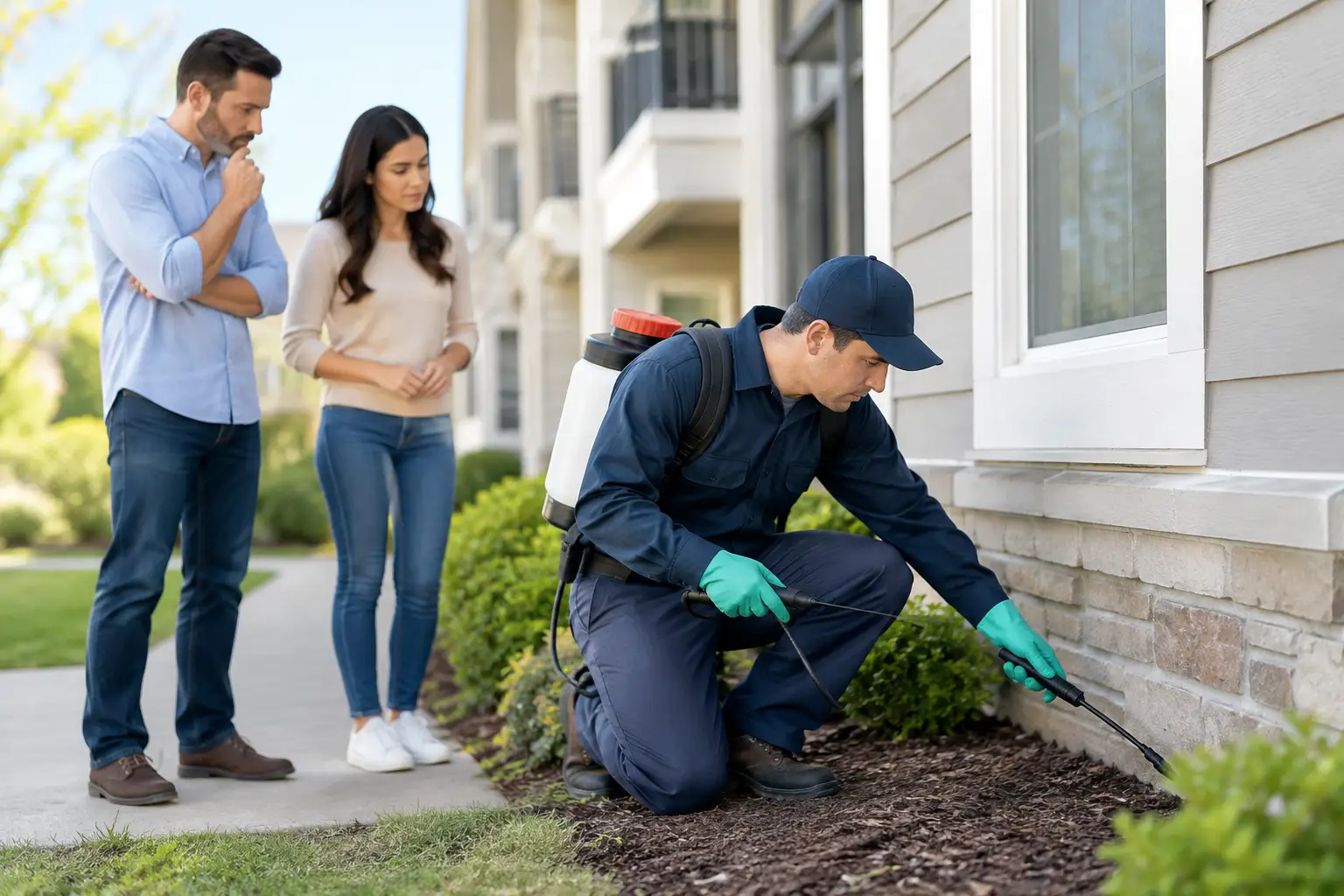
A cockroach in the kitchen, scratching in the ceiling or bed bugs after a new tenancy can turn a routine rental issue into an urgent problem. Pest control for rental properties works best when tenants, landlords and property managers act early, record what they find and arrange the right treatment before the infestation spreads.
The question is rarely just, “How do we get rid of the pest?” It is also who is responsible, whether the issue threatens the tenant’s comfort or safety, and how to stop it becoming a repeat complaint. Clear communication and a professional inspection take the guesswork out of all three.
Who is responsible for pests in a rental property?
Responsibility depends on the pest, the condition of the property at the start of the tenancy and what has happened since. In Victoria, rental providers generally need to keep a property in good repair and fit to live in. If pests are present because of a building defect, gaps around pipes, damaged screens, moisture issues, poor drainage or an existing infestation, the landlord will usually need to organise treatment and repairs.
A tenant may be responsible where an infestation has clearly resulted from their actions during the tenancy. For example, leaving food waste accessible, failing to report a leak or pest signs, or bringing in an infested item may affect who pays. That does not mean assumptions should be made. Pest activity is not always visible at first, and many common problems have more than one cause.
For property managers, the practical priority is to establish the facts quickly. Arrange an inspection, review the entry condition report and ask the technician for clear findings. A written service report can identify the pest, likely entry points, treatment completed and any property maintenance needed to reduce recurrence.
This article is general guidance rather than legal advice. If there is a dispute about costs or obligations, landlords and renters should check their lease, condition reports and current Victorian tenancy requirements.
Act fast when tenants report pest activity
A single ant trail may be manageable, but rodents, cockroaches, bed bugs and wasps can escalate quickly. Delays can lead to more extensive treatment, damage to the property and unhappy tenants. They can also create avoidable vacancy or handover issues between tenancies.
Tenants should report the issue in writing as soon as they notice it. Useful details include where pests were seen, when the activity started, how often it is occurring and whether there are droppings, bites, nests, noises or damage. Photos are helpful, particularly for visible nesting, chewed materials, cockroach activity and bed bug marks.
Landlords and agents should acknowledge the report promptly and decide whether it needs urgent attention. A suspected rodent infestation, active wasp nest, bed bugs, widespread cockroaches or pests affecting food preparation areas should not wait for a routine maintenance round. The earlier the treatment starts, the more likely it is to be contained.
For urgent rental pest problems across Melbourne, a same-day booking can make a real difference. All Guard Pest Control provides licensed treatment and 24/7 emergency support for issues that cannot reasonably wait.
Pest control for rental properties starts with an inspection
Spraying the first insect you see is not a pest management plan. A proper inspection identifies what is present, how serious the activity is and why the pests are there. This matters because treatments vary significantly between ants, cockroaches, rodents, spiders, silverfish, bed bugs and termites.
A technician should inspect likely harbourage areas, including kitchens, bathrooms, roof voids, subfloors where accessible, external walls, rubbish areas, gardens and entry points around services. In apartments and townhouses, shared walls, common bins and neighbouring properties can also affect the result. Treating one unit alone may not solve a wider building issue.
The inspection should lead to a practical recommendation. That may involve baiting and targeted treatment for cockroaches, rodent stations and proofing advice, a bed bug treatment plan with preparation instructions, or termite inspection and protection where timber damage is suspected. Professional-grade products are useful, but correct placement and follow-up are what make treatment effective.
Do not overlook property maintenance
Pests take advantage of access, food, water and shelter. A treatment may reduce active pests quickly, but unresolved maintenance issues invite them back. Landlords should act on recommendations such as sealing gaps around plumbing, repairing leaking taps, fitting door seals, replacing damaged flyscreens and clearing drainage problems.
This is particularly relevant for rodents and cockroaches. A small opening around a pipe or a damp cupboard beneath a sink can be enough to maintain ongoing activity. In a multi-property portfolio, recording these recurring defects helps property managers prevent repeat call-outs.
Prepare the property without making the problem worse
Tenants have an important role in preparing for treatment. The technician will advise what is needed for the particular pest, but general preparation often includes clearing benches, storing food in sealed containers, removing rubbish, vacuuming floors and allowing access to affected rooms, cupboards and wall edges.
Avoid using supermarket sprays before an inspection unless there is an immediate safety reason. These products can push pests deeper into wall cavities or make bait treatments less effective. They may also mask the level of activity, making diagnosis harder.
For bed bugs, preparation needs to be especially careful. Moving bedding, furniture or clothing into other rooms can spread the infestation. Follow the treatment instructions provided, keep affected items contained where advised and avoid throwing out furniture before a technician has assessed it. Disposal can spread bed bugs through common areas and may not be necessary.
After treatment, tenants should follow the re-entry and cleaning instructions supplied. Some treatments need time to work, while others require targeted cleaning after a set period. If activity continues, report it rather than applying extra chemicals. A follow-up visit may be part of the treatment plan, particularly for pests with eggs or complex breeding cycles.
Manage pests between tenancies
The period between tenants is one of the best opportunities to prevent future complaints. An empty property allows full access to skirting boards, cupboards, roof spaces and appliances. It is also easier to identify droppings, nests, damaged screens, moisture problems and signs of previous activity.
A pre-tenancy inspection is worth considering where a property has had prior pest reports, has been vacant for some time, backs onto vegetation, or is in an area with frequent rodent or spider activity. It is also sensible after building work, plumbing repairs or a tenant departure where rubbish, food residue or stored items have been left behind.
For furnished rentals, inspect mattresses, bed frames, lounges and drawers closely. Bed bugs are far easier and less disruptive to address before a new tenant moves in. For houses with gardens, trim vegetation away from the building, check bins have working lids and remove standing water where possible. These small steps support treatment and improve the property’s overall presentation.
Keep records that protect everyone
Good records make rental pest control simpler and fairer. Property managers should retain the initial report from the tenant, photos where available, inspection findings, treatment invoices, technician recommendations and correspondence about access or preparation. Tenants should keep copies of reports they have made and follow reasonable treatment directions.
Documentation is useful if costs need to be discussed, but it is also operationally valuable. It shows what has been treated, whether follow-up was completed and which maintenance issue needs attention. For landlords, it provides a clearer picture of the property’s condition over time.
If a tenant raises a pest concern shortly after moving in, act quickly rather than debating responsibility before the problem is assessed. A prompt inspection can protect the tenant’s living conditions and prevent a small issue becoming a costly infestation.
Choose treatment for the pest, not a one-size-fits-all visit
The lowest-priced option is not always the best value if it treats symptoms but misses the source. Ask whether the service includes an inspection, the proposed treatment, safety guidance, follow-up requirements and advice on exclusion or maintenance. For rental properties, a clear report is just as valuable as the treatment itself.
Licensed and insured technicians can assess the specific risks of occupied homes, pets, children, food areas and shared buildings. They can also recommend when broader treatment is needed, such as a whole-building approach for recurring cockroaches or a coordinated response for bed bugs in an apartment complex.
A well-managed rental property does not need to be pest-free by luck. It needs fast reporting, fair decision-making, professional treatment and practical prevention. When everyone responds early, tenants can get back to feeling at home and landlords can protect the condition and value of their property.