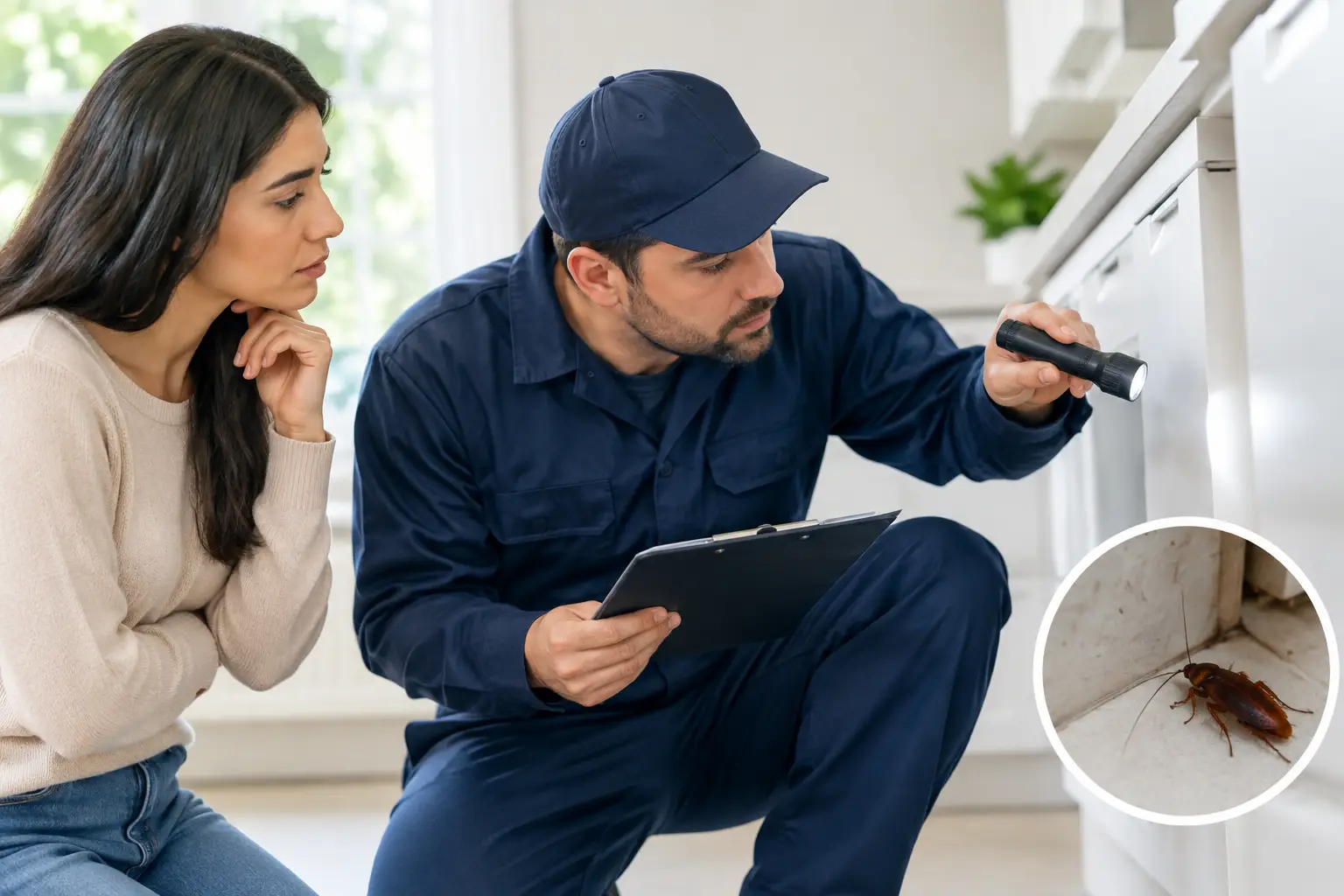
A cockroach in the kitchen or a mouse in the pantry can quickly become a tenancy dispute. Landlord pest responsibility usually comes down to one practical question: was the pest problem already present, caused by a property defect, or linked to the tenant’s use of the home?
For Melbourne landlords, tenants and property managers, the fastest way to protect the property and avoid a drawn-out argument is to document the issue early and arrange the right treatment. Pests breed, nest and spread. Waiting to establish blame before dealing with an active infestation can turn a manageable job into a larger repair and hygiene problem.
Landlord pest responsibility in Victoria
In Victoria, a rental provider must ensure a rental property meets minimum standards and is maintained in good repair. That can include addressing pest activity where it affects the property’s condition, safety or liveability, particularly if pests were present at the start of a tenancy or have entered because of a building issue.
For example, an owner will commonly be responsible where a property has gaps around pipes, damaged vents, broken flyscreens, roof access points, leaking plumbing or another structural issue that allows pests to enter or creates suitable conditions for them. A pre-existing cockroach infestation, rodent activity in the roof void or termites found during an inspection is also unlikely to be a tenant’s problem simply because they have moved in.
A tenant also has responsibilities. They must keep the property reasonably clean, avoid damage and report maintenance concerns promptly. If pests are connected to accumulated rubbish, food left accessible, poor cleaning or an unreported leak, the tenant may be expected to contribute to or cover treatment costs.
There is no single rule that says landlords always pay or tenants always pay. The evidence matters, as do the tenancy agreement, condition report, inspection findings and the circumstances of the infestation.
When the landlord will usually pay
The owner should act promptly when pest control is required because the infestation existed before the tenancy, stems from a defect or affects common areas under the owner’s control. This is particularly relevant in apartments, townhouses, rooming accommodation and commercial properties with shared bins, service corridors or roof spaces.
Common examples include:
- Rodents entering through damaged eaves, holes in walls, unsealed roof penetrations or faulty drains.
- Cockroaches present when the tenant receives the keys, especially where activity is recorded on the entry condition report.
- Ants nesting in wall cavities, under paving or around plumbing affected by moisture or building cracks.
- Wasps nesting in a roof, wall void or external structure where access and removal require property maintenance.
- Termite activity, timber pest damage or conditions that increase termite risk, such as moisture problems or poor subfloor ventilation.
Termites deserve special attention. They are not a routine cleaning issue, and a tenant should never spray or disturb suspected termites. That can make professional assessment harder and may cause the colony to move to another area. A licensed inspection should be arranged as soon as possible.
Landlords are also generally responsible for managing pests in common areas. If rats are moving between shared rubbish areas and units, or cockroaches are present throughout a multi-tenancy building, treating one apartment alone rarely fixes the source. The treatment plan needs to address the broader site.
Preventative treatment is a sensible owner cost
Some pest control is not about assigning fault. Regular inspections and preventative treatments help protect the building, reduce emergency call-outs and make a property more appealing to tenants. This is especially useful for homes near open land, restaurants, construction sites, waterways or busy shared waste areas.
A routine treatment at the beginning of a tenancy can also establish a clear baseline. If an issue appears later, both parties have better information to work with.
When a tenant may be responsible
A tenant may be liable where the evidence clearly shows the pest issue developed through their actions or a failure to take reasonable care. This does not mean a tenant is automatically responsible for every cockroach, ant or spider seen in the home. Melbourne homes can experience seasonal pest activity even when they are well kept.
Responsibility is more likely where there is a direct link between the infestation and conditions inside the property. Examples may include overflowing rubbish, uncovered food, heavily soiled kitchen surfaces, pet food left out overnight, or an issue worsening after the tenant failed to report it.
Prompt reporting remains important. A small leak beneath a sink may attract cockroaches and ants. If it is reported early, the property manager can arrange repair and treatment before the problem spreads. If it is ignored for months, determining responsibility becomes more difficult.
For tenants, clear photos and a written report are useful. For landlords and managers, an inspection report from a qualified technician can help identify likely entry points, harbourage areas and conditions contributing to the activity. It provides a more reliable basis for a fair decision than assumptions on either side.
What to do when pests are reported
The first response should be practical, not confrontational. Ask what pest has been seen, where it was found, when it started and whether there are signs such as droppings, gnaw marks, nests, bites or damage. Photos can help, but they do not replace an inspection where activity is widespread or the pest is difficult to identify.
Next, check the entry condition report, previous maintenance records and any earlier pest treatment invoices. If the issue is recent and there is a clear source, such as a damaged door seal or leaking pipe, organise repair and pest control together. Treating pests without closing the entry point can lead to repeat activity.
For active infestations, arrange a licensed pest technician quickly. Rodents and cockroaches can contaminate food and surfaces. Bed bugs can spread through furniture and luggage. Wasps can create an immediate risk around children, pets and entryways. In these situations, a delay over cost responsibility is rarely worth it.
A professional treatment report should set out the pest identified, areas inspected, treatment completed, contributing factors and recommended follow-up. This is valuable for resolving tenancy questions, but its main purpose is to make sure the infestation is controlled properly.
Why DIY treatment can make disputes worse
Supermarket sprays may kill the pests that are visible, but they often do not reach nests, breeding sites, roof voids or wall cavities. This is a common problem with cockroaches, ants, rodents and bed bugs. Repeated DIY applications can also obscure the scale of the issue and delay effective treatment.
There is a place for sensible housekeeping measures, such as storing food in sealed containers, emptying indoor bins, cleaning spills and reducing clutter. But these steps are not a substitute for professional work where there is a persistent infestation, structural access point or health concern.
A qualified technician can select treatment methods suited to the pest and property, then advise on exclusion work and follow-up. That approach is safer for occupants and more likely to deliver a lasting result.
Pest responsibility for commercial landlords and tenants
Commercial leases can allocate maintenance and pest-control obligations differently from residential agreements. A café, food retailer, childcare centre, factory or warehouse may have specific hygiene requirements, shared-service arrangements and obligations set out in the lease.
Even so, the same practical principles apply. Building defects and common areas are usually an owner or centre-management concern, while hygiene and day-to-day operational conditions inside an occupied tenancy may sit with the business. Where pests cross boundaries, such as rodents moving through ceiling spaces or cockroaches travelling along service lines, a coordinated building-wide response is often necessary.
For property managers, fast communication is critical. One delayed treatment can affect neighbouring tenancies, customer confidence and business operations. Keep service records, report maintenance issues early and use a licensed provider that can respond when the situation is urgent.
A fair response protects everyone
The best outcome is not simply deciding who pays. It is stopping the infestation, fixing the conditions that allowed it and keeping a clear record of what happened. Whether you manage one rental home or a large commercial site, quick professional action can prevent a small pest report from becoming a major property problem.
If pests are active now, arrange an inspection before they gain a foothold. All Guard Pest Control provides fast, professional treatment across Melbourne, with same-day service available for urgent pest problems.