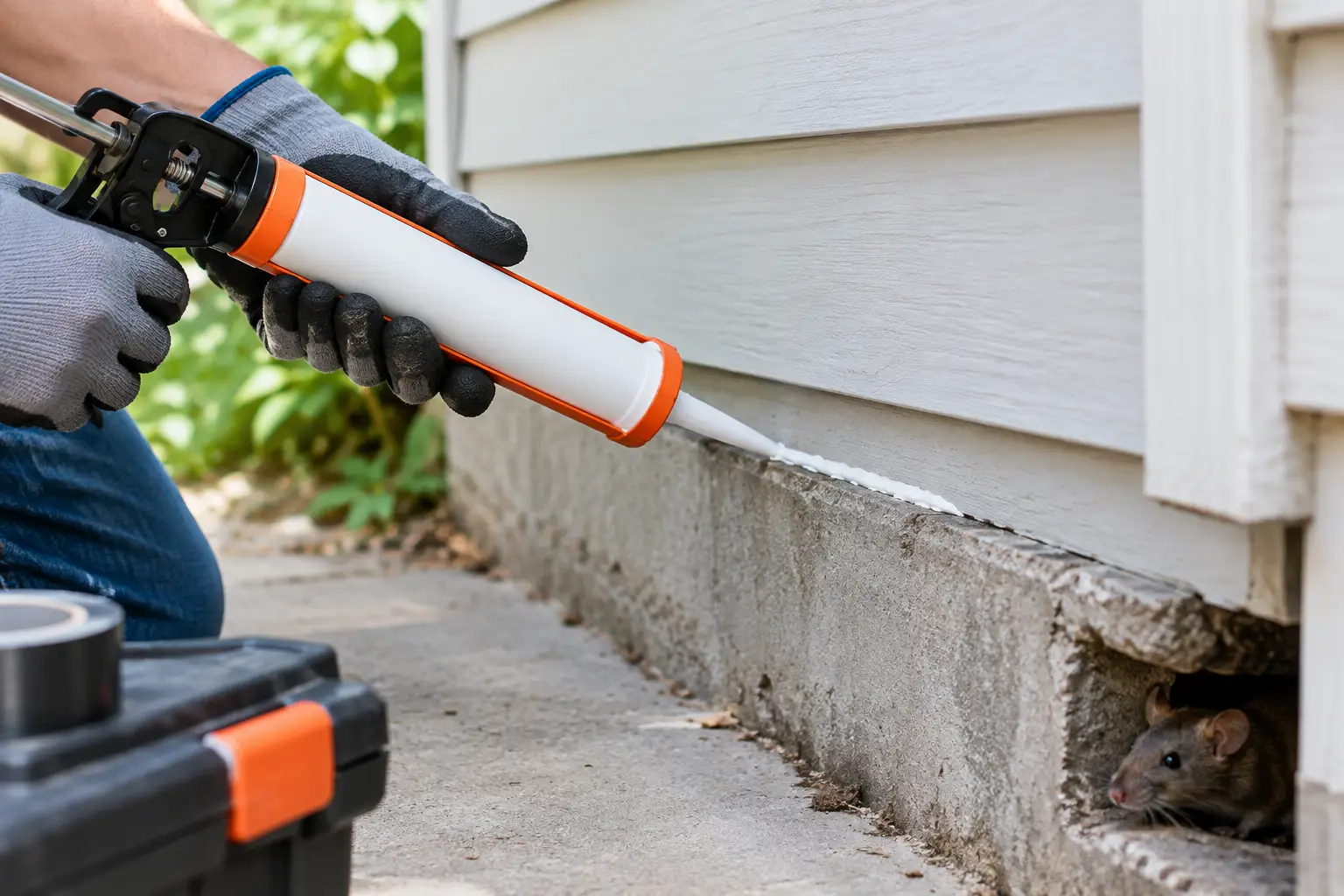
A mouse can fit through a gap around the width of a pencil. Rats need more room, but will readily use a loose vent, cracked brickwork or opening around a pipe. That is why knowing how to seal rodent entry points matters just as much as setting traps or removing active rodents. If the access point remains open, the problem can return as soon as food, shelter or colder weather draws rodents back inside.
For Melbourne homes, shops, schools, warehouses and strata properties, exclusion work is the practical step that turns a short-term rodent treatment into lasting control. It needs to be done carefully, though. Closing the wrong gap at the wrong time can trap rodents inside walls or ceilings, leaving you with scratching noises, odours and further damage.
Find rodent entry points before you seal them
Do not begin by filling every crack you can see. Start with a methodical inspection of the building exterior, then check likely access routes indoors. Rodents usually follow edges, fences, garden beds, pipes and service lines until they find a protected opening.
At ground level, inspect where brickwork meets the slab, around doors, garage doors and subfloor vents. Look closely at utility penetrations for water, gas, air conditioning, NBN and electrical services. Gaps around these lines are one of the most common ways rodents enter otherwise well-maintained properties.
Then move upward. Check roof void vents, eaves, fascia boards, roof tiles, damaged cladding and openings around solar-panel cabling. Roof rats are strong climbers and may use trees, vines, downpipes or stored materials as a path to the roofline. In commercial premises, loading docks, roller doors, grease-trap areas and rear storerooms deserve the same attention.
Signs help identify which gaps are active. Look for fresh droppings, greasy rub marks on edges, gnawing, shredded nesting material and disturbed dust around holes. You may also see tracks in dusty areas or hear activity after dark. Mark suspicious spots with tape or take clear photos before repairs begin, especially where a large site has several buildings.
How to seal rodent entry points with suitable materials
The best repair material depends on the opening and the surface around it. A small gap around a pipe needs a different fix from a broken air brick or a damaged roller-door seal. The goal is a permanent, chew-resistant barrier that does not interfere with ventilation, drainage or essential services.
For small holes in sound masonry, timber or cladding, use wire mesh or metal flashing secured in place, then finish the edges with an exterior-grade sealant where appropriate. Fine stainless steel or galvanised mesh is useful for vents, provided it does not reduce the airflow required by the building. For larger gaps, patch the underlying structure with suitable building materials rather than relying on sealant alone.
Expanding foam can fill awkward voids, but it is not a rodent-proof solution by itself. Rodents can chew through it, particularly if it is exposed. Use it only as a backing material alongside mesh, mortar, flashing or another durable barrier.
Door sweeps and brush seals are worthwhile where daylight shows under external doors, roller doors or gates leading into storage areas. They need to sit correctly against the threshold. A seal with a visible gap is little better than no seal at all. For a commercial site, make door-seal checks part of routine maintenance because frequent deliveries quickly wear them down.
Avoid blocking weep holes, stormwater drainage points or required ventilation openings. These features are designed to manage moisture and airflow. Closing them can create a building problem that costs more than the original rodent issue. Instead, fit an appropriately sized mesh cover that keeps rodents out while allowing the feature to do its job.
Common areas people miss
Some access points are hidden in plain sight. Check behind hot-water units, under decking, around air-conditioning condensers, beneath portable buildings and behind stacked stock. Rodents also exploit gaps where garages join houses, where old pipes have been removed, and where plumbing enters cupboards beneath sinks.
In kitchens, food businesses and childcare centres, plumbing penetrations behind dishwashers, cool rooms and hand basins should be checked closely. These locations provide warmth, water and low disturbance - exactly what rodents seek.
Do not seal an active infestation inside
This is where timing matters. If you have fresh droppings, regular noises in the roof or signs of rodents indoors, focus first on reducing activity and identifying the main routes. Sealing every hole immediately may force rodents further into the building or prevent them from leaving.
A sensible approach is to treat the active infestation, monitor activity, then complete exclusion work once the numbers have dropped. In some situations, one-way exit devices may be used by a licensed technician at selected entry points. These allow rodents to leave but restrict re-entry while the rest of the building is secured.
For a single small gap and an isolated mouse sighting, a straightforward repair may be enough. For recurring activity, a roof infestation or a large commercial property, a professional inspection is usually the safer option. Technicians can assess entry points, nesting areas, food sources and treatment requirements without creating new access or containment problems.
Remove what attracts rodents after repairs
Sealing gaps works best when the property is less rewarding to visit. Rodents do not need much food or water to stay established. A few crumbs under equipment, an overflowing rubbish bin or a leaking tap can support ongoing activity close to the building.
Keep food in hard, sealed containers and clean spills promptly, especially in staff kitchens, storerooms and break areas. Rubbish bins should have secure lids and be kept clean around the base. Avoid leaving pet food outside overnight. In factories and retail sites, make sure damaged cartons and old stock do not create quiet nesting zones.
Outside, trim vegetation back from walls and rooflines, remove clutter stored against the building and keep timber, pallets and garden materials raised where possible. Check that stormwater drains flow properly and repair leaks around taps or irrigation lines. These steps do not replace professional treatment where an infestation exists, but they reduce the pressure on your new exclusion work.
Build entry-point checks into property maintenance
Rodent-proofing is not a once-only job. Buildings move, sealants shrink, weather damages roof materials and contractors create new service penetrations. A six-monthly exterior check is sensible for most homes. High-risk commercial sites, food premises, schools, childcare centres and retirement villages may need more frequent inspections as part of an ongoing pest-management plan.
Keep a simple record of repairs, sightings and recurring locations. This is particularly useful for landlords, facilities managers and businesses with multiple staff members reporting issues. Patterns can reveal whether rodents are entering through one loading area, a shared roof void or nearby landscaping.
If you find gnawed wiring, large amounts of droppings, damage in a roof void or repeated rodent activity after DIY repairs, arrange help promptly. Rodents can contaminate food areas, damage stock and create electrical risks. All Guard Pest Control provides professional rodent inspections, treatment and exclusion advice across Melbourne, with fast booking options when the issue cannot wait.
A properly sealed building is quieter, cleaner and far less inviting to rodents. Start with the gaps closest to food, water and shelter, use materials rodents cannot chew through, and deal with active activity before closing the final exit.