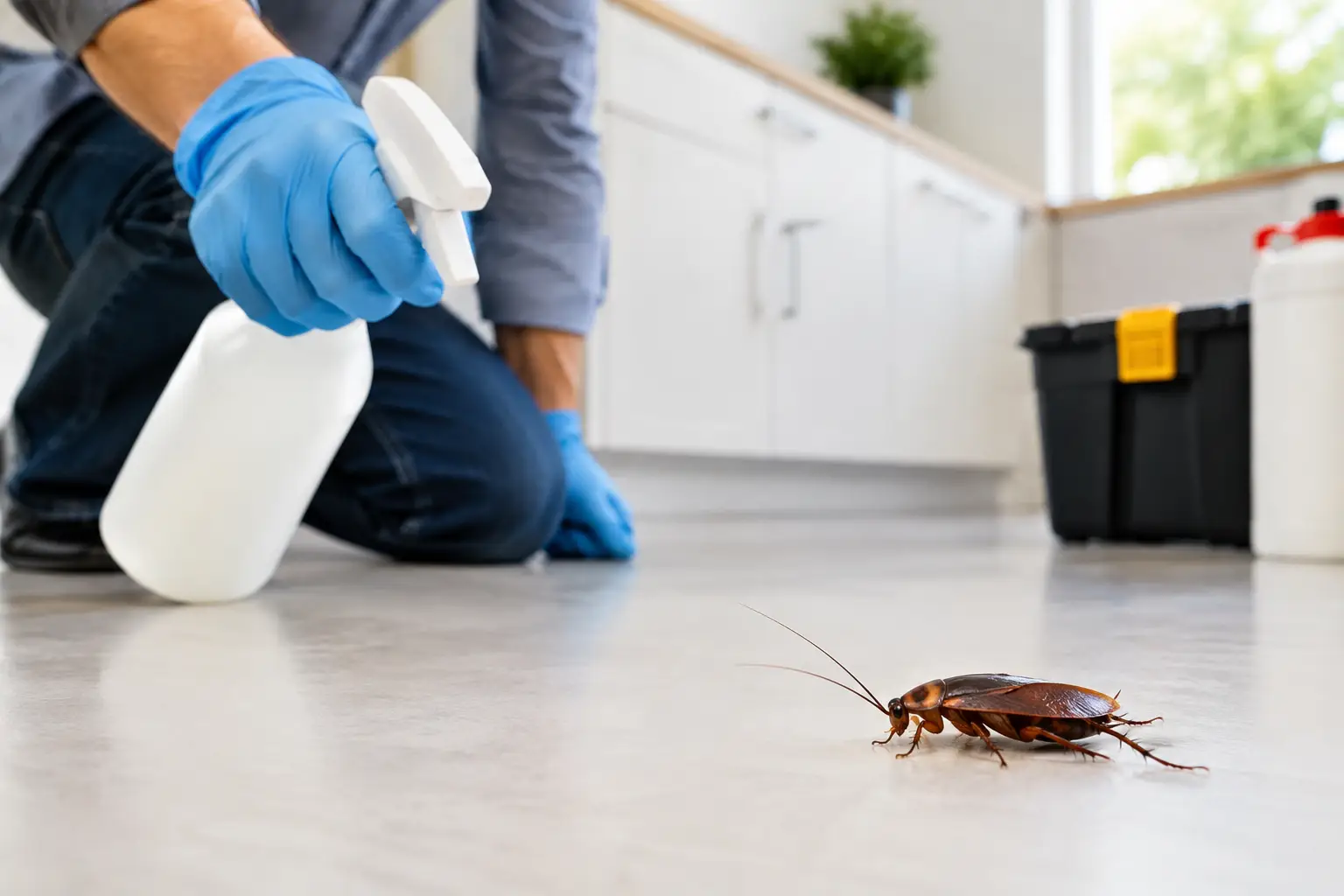
A cockroach sighting in the kitchen at night is rarely just a random visitor. Cockroaches stay close to food, water and shelter, then breed in narrow, hidden spaces that are difficult to reach with ordinary cleaning. Knowing how to prevent cockroaches in homes means making those essentials harder to find before a small problem becomes an infestation.
For Melbourne households, prevention works best as a routine rather than a one-off spring clean. A tidy bench helps, but lasting control also depends on managing moisture, sealing entry points and acting quickly when the early signs appear.
How to prevent cockroaches in homes before they settle in
Cockroaches are highly adaptable. They can enter through gaps around pipes, cracks under doors, cardboard boxes, shared walls and drains. Once inside, they may hide behind fridges, under dishwashers, inside cupboards, in electrical appliances or around hot-water systems.
The goal is not to create a perfectly sterile home. It is to remove the easy opportunities cockroaches rely on. Focus on three things: food, water and harbourage. If all three are available, even a clean-looking property can support cockroaches.
1. Remove food sources every day
Crumbs, grease and pet food are enough to attract cockroaches. Wipe benches after preparing meals, including around the toaster, microwave and stovetop. Sweep or vacuum floors regularly, paying attention to skirting boards and the spaces beneath kitchen cabinets.
Do not leave dirty dishes overnight if you can avoid it. Rinse recyclable containers before placing them in the bin, and empty indoor rubbish often, particularly in warm weather. A bin with a close-fitting lid is worth having in both the kitchen and bathroom.
Pet bowls can be an overlooked source of food. Serve pets measured meals where practical rather than leaving food out overnight. Clean up spills promptly and store dry pet food in a sealed container, not the original bag.
2. Store pantry goods in sealed containers
Cockroaches can chew through thin cardboard and may enter packets that appear tightly closed. Transfer flour, cereal, rice, pasta, biscuits and similar dry goods into hard plastic or glass containers with secure lids.
This step does more than protect food. It also makes it easier to spot contamination early. Check pantry shelves periodically for droppings, shed skins, egg cases or an unusual musty smell. If you find signs, discard affected food, vacuum the cupboard thoroughly and clean all surfaces before returning items.
Avoid bringing unnecessary cardboard boxes into the home, especially those that have been stored in garages, warehouses or near rubbish areas. If you need to keep deliveries, unpack them outside or in the garage and recycle the cardboard promptly.
3. Fix leaks and reduce damp areas
A cockroach can go much longer without food than it can without water. Dripping taps, slow leaks beneath sinks and damp cupboards can therefore be a bigger problem than a few crumbs on the floor.
Check under kitchen, laundry and bathroom sinks for moisture. Repair leaking taps and pipe connections, dry wet areas after use and ensure ventilation is working properly. In bathrooms with limited airflow, run the exhaust fan during and after showers, or open a window when conditions allow.
Do not leave water in the sink overnight, and avoid leaving wet dishcloths, sponges or mops bunched up in a dark corner. Hang them to dry. In laundries, make sure appliance hoses are secure and investigate any unexplained puddles or damp smells straight away.
4. Seal gaps where cockroaches can enter
Cockroaches do not need much room to get through. Small gaps around plumbing, utility lines, vents, window frames and door frames can be enough. Inspect these areas with a torch, especially in kitchens, bathrooms, laundries and garages.
Use appropriate sealant around pipe penetrations and repair cracked flyscreens, damaged weather strips and loose door seals. Fit a door sweep if there is a gap beneath an external door. Where vents must remain open for safety or airflow, use suitable fine mesh rather than blocking them completely.
In apartments and townhouses, cockroaches can travel between units through wall voids, service ducts and shared plumbing. Sealing gaps within your own property is still worthwhile, but recurring activity may need coordinated action with a landlord, owners corporation or property manager.
5. Keep appliances and hidden areas clean
The areas you cannot easily see are often the ones cockroaches prefer. Heat from motors and compressors makes the space behind the fridge, dishwasher, oven and washing machine particularly attractive.
Pull movable appliances out periodically and vacuum dust, food debris and grease from behind and underneath them. Clean the drip tray beneath the fridge if your model has one. Do the same for cupboards near the stove, as grease can build up along hinges, edges and wall surfaces.
Clutter also creates shelter. Reduce stacked paper, bags, unused containers and storage piles, especially in the kitchen, laundry, garage and under-sink cupboards. Store necessary items in sealed tubs raised off the floor where possible.
Outdoor habits that help keep cockroaches outside
Prevention does not stop at the back door. Many cockroaches live outdoors but move indoors for warmth, food or water. Keeping the area immediately around the home clear reduces their hiding spots and makes it easier to notice activity.
Keep rubbish bins clean, lids closed and bins positioned away from doors and windows where practical. Clear leaf litter, timber offcuts, stacked pots and dense ground cover from against exterior walls. Trim plants that touch the building, as they can create a sheltered pathway to cracks and vents.
Check outdoor drains and grates for trapped debris. These need to drain freely, particularly after heavy rain. If you notice cockroaches emerging from drains, avoid relying on household sprays alone. The source may be deeper in the drainage system or involve a species that needs targeted treatment.
Avoid quick fixes that can make control harder
A supermarket aerosol may kill a cockroach you can see, but it usually will not reach the nest or the other cockroaches hiding nearby. Spraying indiscriminately can also drive them further into wall voids and cupboards, making the problem harder to track.
Foggers are another poor fit for many homes. They leave residues across open surfaces yet often fail to penetrate the narrow cracks where cockroaches shelter. They can also require significant preparation and should never be used without carefully following the label.
Baits can be useful when selected and placed correctly, but they must be kept away from children, pets and food-preparation surfaces. Do not spray repellent products directly around bait placements, as this can discourage cockroaches from feeding on the bait. If you are seeing regular activity, professional assessment is generally more reliable than trying several products at once.
Know the early warning signs
Seeing one cockroach does not always mean there is a major infestation, but it should not be ignored. Cockroaches are mostly active at night, so daytime sightings can indicate a larger population or that their usual hiding places are disturbed.
Look for small dark droppings, pepper-like specks in cupboards, brown egg cases, shed skins and smear marks along corners or near food storage. Some infestations create a stale, oily or musty odour. Check the areas around fridge motors, under sinks, inside pantry corners and behind appliances first.
German cockroaches, one of the more troublesome indoor species, reproduce quickly and commonly establish themselves in kitchens and bathrooms. Their small size means they can hide in very tight spaces, so early treatment matters.
When to call a professional cockroach controller
Call for professional help if you keep seeing cockroaches after cleaning and sealing gaps, find droppings or egg cases, spot them during the day, or live in a property with shared walls. Businesses should act even sooner, as cockroach activity around food, stock, staff areas or customer spaces can affect hygiene standards and operations.
A licensed technician can identify the likely species, inspect harbourage areas and use professional-grade treatment methods that target the infestation rather than just visible insects. They can also advise on practical changes specific to your property, such as plumbing repairs, access points or storage issues.
For households across Melbourne, All Guard Pest Control can provide a prompt inspection and targeted cockroach treatment when prevention alone is no longer enough. A clear plan, careful preparation and follow-up advice give you the best chance of stopping the cycle.
The most useful time to deal with cockroaches is at the first sign, not after they have spread through the kitchen. Start with the damp spots, food storage and hidden gaps in your home this week, then arrange professional help promptly if activity continues.