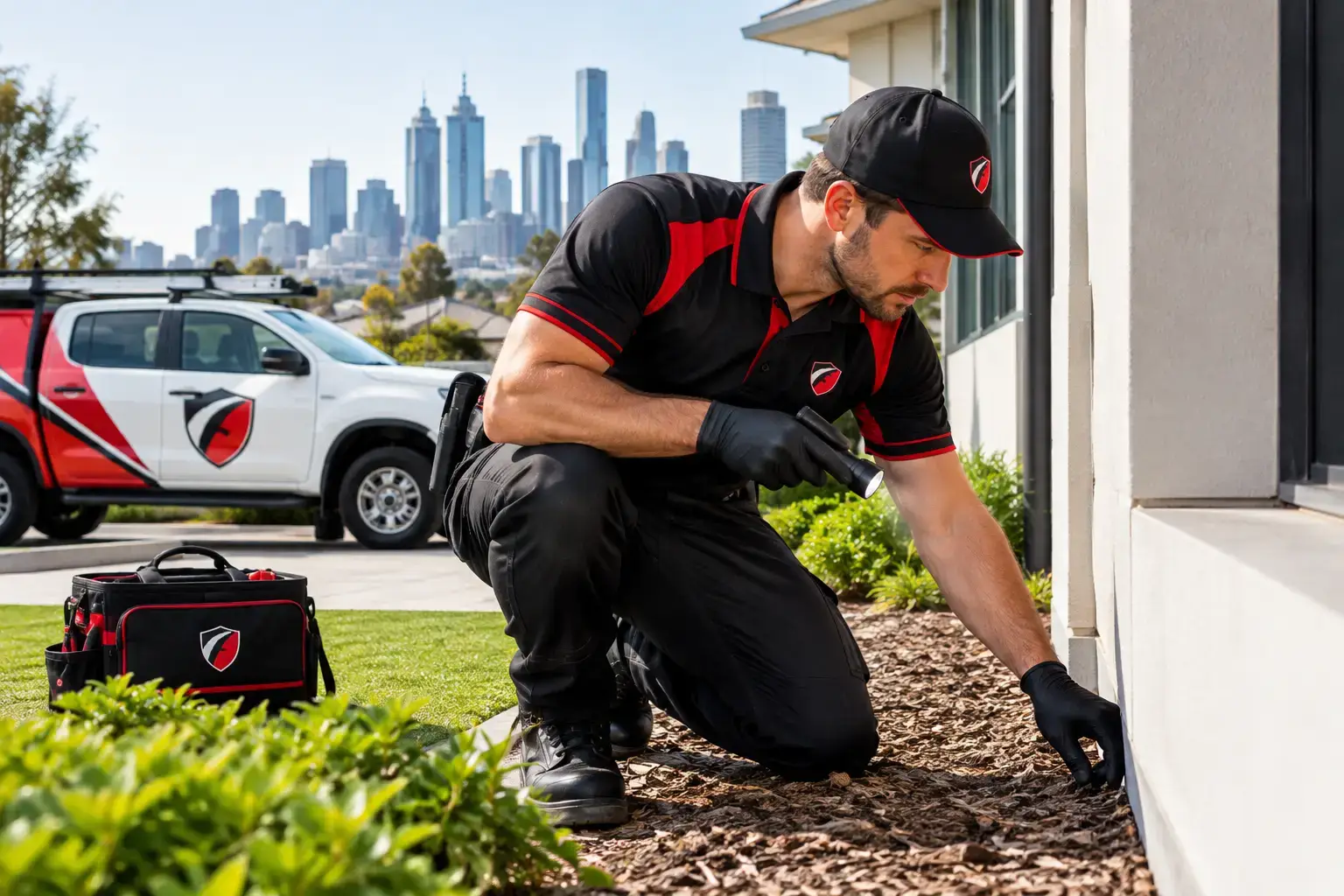
A few ants near the kitchen bench may need a straightforward treatment. Rats in a roof, bed bugs in a rental property or active termites near a home are different matters entirely. If you are asking, “how much does pest control cost?”, the most useful answer is that it depends on the pest, the size of the problem and the work required to prevent it returning.
For Melbourne homes, a professional general pest treatment may start from around $199, while more specialised or extensive work can cost substantially more. A clear quote should explain what is being treated, the method proposed, any follow-up visits and practical steps to reduce future activity.
How much does pest control cost in Melbourne?
Pest control pricing is usually based on the scope of treatment rather than a single flat rate. A technician needs to consider the pest species, property type, access, infestation severity and whether there are conditions that will encourage pests to return.
As a general guide, many Melbourne customers can expect indicative costs in these ranges:
- General pest control for common crawling insects such as spiders, ants and cockroaches may start from $199 and commonly ranges from about $199 to $350 for a standard home, depending on its size and requirements.
- Rodent treatments for rats and mice can range from approximately $220 to $450 or more. Larger infestations, roof void access, multiple baiting stations and follow-up visits can increase the cost.
- Termite inspections often range from around $250 to $450, depending on the building size and inspection requirements. Termite treatment costs vary widely because the approach must suit the building construction and extent of activity.
- Bed bug treatments are commonly more involved because every affected room, bed frame, furnishing and adjoining risk area needs careful attention. Costs can range from several hundred dollars to well over $1,000 for larger or multi-room infestations.
- Bird control, wasp removal and commercial pest management are quoted after an assessment because access equipment, exclusion work, compliance needs and the site layout can vary significantly.
These figures are guides rather than promises. The right treatment should be based on an inspection or a detailed discussion of the issue, not an unrealistically low price offered without understanding the job.
What affects the cost of pest control?
The pest itself is the first factor. Ants, spiders and occasional cockroaches can often be managed with a targeted general treatment. Termites, bed bugs and established rodent activity usually require more detailed inspection, monitoring or follow-up work. A treatment that only addresses what is visible may cost less upfront but fail to deal with the source.
Property size and layout matter too. A compact apartment is generally faster to inspect and treat than a large family home with a roof void, subfloor, shed and extensive garden. In commercial settings, a restaurant kitchen, childcare centre, warehouse or shopping centre may require treatment outside operating hours, documented reporting or a scheduled pest management program.
Access can also influence the quote. Rodents nesting in a difficult roof cavity, birds roosting on elevated signage or wasps located high under eaves may require additional equipment and time. Safe access is not an optional extra - it is part of completing the work properly.
Finally, the level of infestation makes a difference. One mouse sighting does not always mean a large infestation, but droppings, gnaw marks, noises in walls and repeated sightings may indicate broader activity. The same applies to cockroaches, bed bugs and termites. Early action is often more affordable than waiting for the problem to spread.
One-off treatment or ongoing pest management?
A one-off treatment can be suitable for an isolated issue, such as seasonal spiders around a home or ants entering through a specific area. Ongoing management is often more cost-effective for businesses, food premises, schools, childcare centres, retirement villages and industrial sites where pest risks need to be monitored consistently.
A scheduled program may include routine inspections, treatment where required, monitoring devices, reporting and recommendations for sanitation, proofing and maintenance. The annual cost depends on the frequency of service, building size, pest pressure and compliance requirements. While this is a larger commitment than a single visit, it can help avoid disruptive infestations, damaged stock and unexpected emergency call-outs.
Why termite costs are different
Termites are not a general pest problem. They can remain hidden inside timber, wall cavities, subfloors and other concealed areas while causing damage that is not immediately obvious. That is why a professional termite inspection is a worthwhile starting point when there are warning signs or as part of regular property maintenance.
If termite activity is found, the cost will depend on the treatment method, accessibility, construction style and whether a protective system is needed around the building. Localised treatments may be appropriate in some situations, while other properties require a more extensive approach. A reliable quote should set out the findings, recommended work and any ongoing inspection requirements in plain language.
For homeowners in Craigieburn, Mickleham, Roxburgh Park and across metropolitan Melbourne, regular inspections can be a sensible way to identify issues before extensive repairs become necessary. It is particularly relevant where there are timber structures, moisture issues, garden materials against the home or known termite activity nearby.
What should be included in a pest control quote?
A professional quote should do more than state a total price. It should identify the pest concern, the areas to be treated and the type of service being recommended. Ask whether the price includes a return visit, particularly for pests such as rodents, bed bugs or persistent cockroaches where monitoring and follow-up may be needed.
It is also reasonable to ask about preparation. Some treatments require food items to be stored away, pet bowls to be removed, cupboards to be cleared or rooms to remain vacant for a period. Your technician should provide clear, practical instructions suited to the product and treatment method being used.
For commercial and industrial sites, check whether the quote includes service reports, site plans, trend monitoring or documentation needed for internal procedures and audits. The lowest initial price is not always the best value if it leaves out essential reporting, follow-up or exclusion advice.
Can you reduce the cost of pest control?
You cannot always prevent pests, particularly in changing weather or densely built areas, but basic property maintenance can reduce the conditions that attract them. Keep food in sealed containers, clean up crumbs and spills, manage rubbish storage and avoid leaving pet food out overnight. Repair leaking taps, reduce moisture around wet areas and keep garden waste away from exterior walls.
For rats and mice, seal practical entry points around pipes, vents and gaps beneath doors. For cockroaches, regular cleaning behind appliances and reducing clutter can make a meaningful difference. For birds, avoid feeding them near buildings and address accessible nesting or roosting areas before the problem becomes established.
These steps support professional treatment, but they do not replace it when there is an active infestation. Spraying random products without identifying the pest can waste money, create safety concerns and delay an effective solution.
Frequently asked questions
Is pest control worth the cost?
It is usually worthwhile when the treatment is matched to the pest and includes sensible prevention advice. Professional pest control can protect food areas, stock, building materials and household comfort, while helping identify signs that may otherwise be missed. For termites, early detection may be particularly valuable because the cost of treatment is often far less than the cost of major building repairs.
How often should a home have pest control?
There is no single schedule for every property. Some homes choose annual general pest treatments, while others only book when activity appears. Homes with recurring spiders, ants, cockroaches or rodents may benefit from a planned approach. Regular termite inspections should be discussed with a qualified technician based on the property’s risk factors.
Do rental properties need pest control?
Rental treatments are common for tenants, landlords and property managers, especially for fleas, cockroaches, rodents, bed bugs and end-of-lease requirements. Responsibility can depend on the tenancy agreement, the cause of the infestation and local rental arrangements, so it is best to clarify this before booking.
The most accurate way to understand your cost is to describe the pest, your property type and what you have noticed, then request a clear quote. All Guard Pest Control & Property Solutions can assess the issue and recommend practical treatment options for homes, businesses and larger sites across Melbourne. Acting early gives you more treatment choices and a better chance to keep a small pest problem from becoming an expensive interruption.