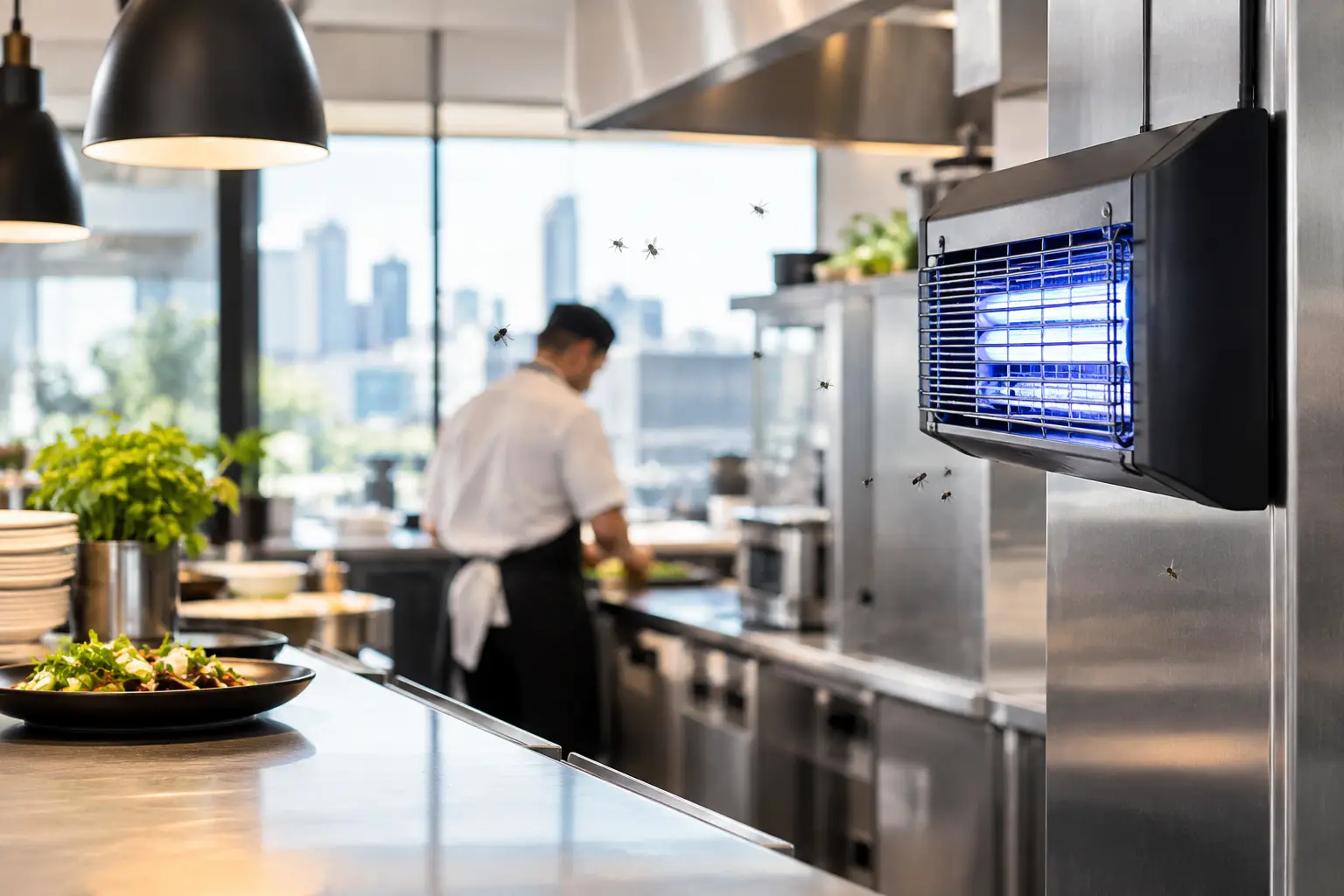
A single fly near the counter can change how a customer sees your whole venue. Several flies around food displays, bins or tables can lead to complaints, poor reviews and serious food safety concerns. Effective fly control for restaurants needs more than a spray after the problem becomes obvious. It requires fast action at the source, followed by practical habits that keep flies from returning.
For Melbourne restaurants, cafes, bars, takeaways and commercial kitchens, fly pressure often rises quickly in warmer weather. But flies can breed and feed indoors all year when they find moisture, food waste and warm harbourage areas. The sooner the cause is identified, the easier it is to protect your customers, staff and reputation.
Why flies become a restaurant problem so quickly
Flies are not just an annoyance. House flies, vinegar flies, drain flies and fruit flies can move between rubbish, drains, spoiled food and food preparation areas. That makes visible fly activity a hygiene issue, particularly in premises handling uncovered food or drinks.
A fly issue can also escalate faster than expected. Many species breed in damp organic material, so a small amount of residue beneath a bin, inside a floor drain or behind equipment may be enough to support an ongoing cycle. Killing the adult flies in view may provide short-term relief, but it will not solve the infestation if breeding material remains.
Restaurants face particular pressure because they provide what flies need: regular deliveries, open doors, food preparation, wash-up areas, outdoor dining, bins and frequent changes in temperature. Busy service periods can make it difficult to spot the first signs until staff and customers are already noticing them.
Find the source before choosing a treatment
The right approach depends on the fly species and where activity is concentrated. A licensed pest technician can identify the likely source, but your team can often provide useful clues before an inspection.
Small flies around bar drains, sinks, dishwashing areas or floor wastes may indicate drain flies or vinegar flies. These insects are often attracted to organic build-up in pipework, trays and inaccessible wet areas. Fruit flies are common near ripening produce, empty bottles, recycling and syrup residue. Larger flies near rear doors, compactors and bins are more likely to be entering from external waste areas or breeding nearby.
Look for patterns. Are flies worst at opening time, during afternoon heat, after rubbish collection or around one particular preparation bench? Are they gathering near a floor drain, a grease trap area, a mop sink or an external bin enclosure? These details help target the real problem rather than treating every area the same way.
Start with the conditions that attract flies
Good housekeeping is the foundation of fly control for restaurants. It is not about making staff work harder for the sake of it. It is about focusing cleaning effort on the places flies use to feed and breed.
Food waste should be removed promptly, especially scraps that collect beneath benches, behind refrigeration units or under equipment. Rubbish bins need fitted lids, clean liners and regular emptying. The outside bin area matters just as much as the kitchen. Keep lids closed, clean spills quickly and avoid overflow around the enclosure.
Drains deserve close attention. A quick rinse may not remove the organic film where small flies breed. Regular mechanical cleaning of floor wastes, sink drains and beverage lines is often needed, using cleaning methods suitable for the site and its plumbing. Staff should also check drip trays, mop buckets, condensate trays and other low-visibility wet zones.
Store produce correctly and check it daily. Overripe fruit, damaged vegetables and discarded garnish can attract fruit flies quickly. In bars, rinse bottles and cans before placing them in recycling, and clean around taps, soda guns and syrup stations at the end of service.
Keep flies from entering the premises
Prevention also means reducing access. Delivery doors, rear exits and windows are common entry points, particularly when they are left open during warm weather or busy service. Door seals, self-closing mechanisms and properly fitted insect screens can make a real difference.
Air curtains can help at frequently used entrances, but only when they are correctly sized, positioned and maintained. They are not a substitute for cleaning or waste management. Likewise, fly screens may be practical for some openings but not every venue layout. The best option depends on traffic flow, ventilation needs and how the building operates during peak periods.
Outdoor dining areas need a balanced approach. Keep tables cleared, wipe spills promptly and position bins away from customer seating where possible. Strongly scented sprays around diners are rarely a good answer. They can affect the customer experience without addressing the source of the fly activity.
Use fly units properly, not as a quick fix
Commercial insect light traps can be useful in suitable non-food-handling areas, but placement is critical. A poorly positioned unit can draw flies towards the area you are trying to protect.
Units should generally be placed away from open food, preparation benches and customer sightlines, while still intercepting flies entering from likely access points. Glue boards and tubes require scheduled replacement to remain effective. A unit full of insects or with an old glue board can create the wrong impression during a hygiene inspection.
Light traps work best as part of a wider control plan. If larvae are developing in drains or bins, or adult flies are entering through an open rear door, the unit alone will not stop the issue.
When professional fly treatment is the right call
Call for professional help when activity is persistent, increasing, occurring near food preparation areas or affecting customer-facing spaces. It is also sensible to arrange an inspection before a known high-risk period, such as summer trading, a major event or an upcoming food safety audit.
A professional restaurant fly control service should begin with an assessment of fly species, breeding sites, entry points and sanitation risks. Treatment may include targeted products, drain-focused solutions, insect light trap advice and practical recommendations for waste storage and exclusion. The goal is to remove active fly pressure while making the environment less attractive to future flies.
Treatment needs to be selected carefully in hospitality settings. Food safety, kitchen operations, staff access and cleaning schedules all matter. A technician should explain what is being treated, any preparation required and what your team can do between visits to maintain the result.
For venues with recurring pressure, scheduled servicing is usually more cost-effective than waiting for a visible outbreak. Regular inspections can pick up early activity around drains, grease areas, loading zones and bin storage before it becomes a customer issue.
Give staff a simple reporting process
Your staff are often the first people to notice a change. Give them a clear process for reporting fly activity, such as recording the location, time of day and type of fly if known. This avoids vague reports like “there are flies in the kitchen” and makes follow-up faster.
Managers can include a few fly-risk checks in daily close-down routines: remove food debris, empty internal bins, inspect floor wastes, wipe drink stations and secure rear doors. These small actions are far easier than managing a full infestation during a busy Friday night service.
Fast help for Melbourne hospitality venues
If flies are affecting your restaurant, do not wait for complaints or an inspection to force the issue. All Guard Pest Control provides professional fly assessment and treatment for Melbourne commercial premises, with prompt bookings available when the problem needs attention quickly.
A clean, well-run restaurant should not have to tolerate persistent fly activity. Deal with the breeding source, tighten the daily routines and arrange professional support early. That gives your team more time to focus on service and gives customers one less reason to look elsewhere.