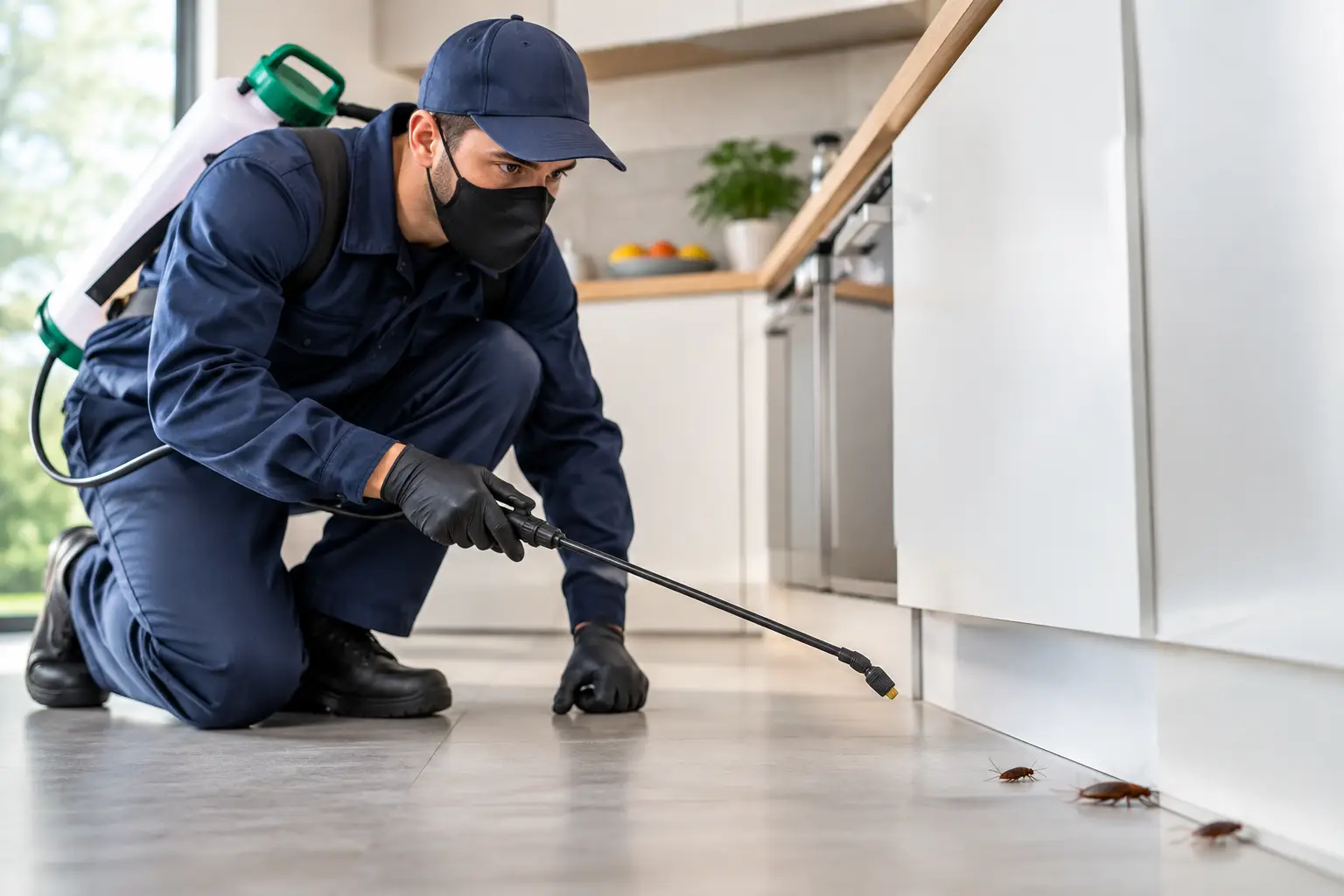
A rat in the kitchen after dark, a wasp nest above the front door or bed bugs discovered before guests arrive can make a normal day feel urgent very quickly. This emergency pest control guide helps Melbourne homes and businesses make the right first move: protect people, contain the problem where possible and arrange professional treatment before it spreads.
Not every pest sighting needs an after-hours callout. One ant near the sink is different from ants moving through food storage, and a lone spider is different from spiders appearing repeatedly around children’s play areas. The priority is the risk to people, pets, stock, food, wiring and the building itself.
When a pest problem is an emergency
Treat pest activity as urgent when there is a genuine safety, health or property risk, or when waiting is likely to make the infestation much harder to control. Fast action is especially worthwhile in homes with young children, older residents, pets or anyone with allergies.
Call for urgent professional help if you notice:
- A wasp nest near entry points, play areas, outdoor dining spaces or a workplace doorway.
- Rodents inside living areas, ceilings, kitchens, food premises or near electrical wiring.
- Bed bugs in bedrooms, accommodation, aged care settings or shared housing.
- Cockroaches or flies around food preparation, storage or customer areas.
- Termite activity, mud tubes, hollow-sounding timber or sudden damage to skirting boards and frames.
- A bird trapped indoors, nesting in a high-risk area or creating heavy fouling around ventilation and access points.
A severe allergic reaction following a sting is a medical emergency, not a pest-control job. Call 000 straight away if someone has trouble breathing, swelling of the face or throat, dizziness, collapse or rapidly worsening symptoms.
First steps in an emergency pest control situation
The aim is to reduce exposure without turning a manageable issue into a bigger one. Keep calm, keep people away from the affected area and avoid disturbing the pest unnecessarily.
Protect people and pets first
Close internal doors to limit access to the room if it is safe to do so. Keep children and pets away from droppings, dead insects, bait stations, nests and any damaged building material. For wasps, move slowly and avoid swatting, spraying or knocking at the nest. Agitated wasps can sting repeatedly.
If rodents are active in the kitchen or pantry, place open food into sealed containers or the fridge, then clean and disinfect benches after removing any visible contamination. Wear disposable gloves when handling rodent droppings or nesting material. Do not sweep or vacuum dry droppings, as this can stir particles into the air. Dampen the area with disinfectant first, wipe it up carefully and dispose of the waste in a sealed bag.
Contain the problem without taking risks
Small actions can buy time until a technician arrives. Shut windows near a flying insect nest, cover rubbish bins, remove pet food overnight and keep food off benches. If you can see where rodents are entering under a door, a temporary door sweep or towel can reduce access for the night, but do not block a hole in a wall or ceiling where an animal may be trapped inside.
For bed bugs, avoid moving bedding, clothing or furniture into another room. That commonly spreads the infestation. Put bedding directly into sealed bags, then wash and dry it on the hottest setting suitable for the fabric. Keep the affected room in use only as necessary and do not start sleeping on the couch, as bed bugs may follow and establish another harbourage area.
Record what you have seen
A clear photo, the location, when the activity started and the number of pests seen can help identify the right treatment quickly. This is particularly useful for termites, rodents, cockroaches and flying insects, where the pest may be hidden by the time help arrives.
For businesses, note whether food, stock, customer areas or staff facilities may have been affected. This allows the technician to assess the immediate risk and recommend practical sanitation or exclusion measures alongside treatment.
What not to do during a pest emergency
The wrong DIY response can scatter pests, contaminate surfaces or put people at risk. Avoid using multiple supermarket sprays in enclosed rooms, especially around food, fish tanks, pets, children or people with respiratory conditions. More product does not mean better control, and mixing chemicals is never safe.
Do not use smoke bombs or foggers for bed bugs, cockroaches or rodents. These products often drive pests deeper into wall cavities, furniture and neighbouring rooms without reaching the source of the infestation. They can also leave residues where you prepare food or where children play.
With termites, do not break open mud tubes, pull apart damaged timber or spray the visible area. A disturbed colony may retreat and become harder to locate. Keep the area accessible, take photographs from a safe distance and arrange a professional inspection as soon as possible.
Rodent poison also needs careful handling. Unsecured baits can create a risk for pets and children, while a rodent that dies in a wall cavity may cause an odour problem. Professional bait placement, trapping and entry-point assessment gives you a far better chance of controlling the issue without creating another one.
Emergency pest control guide by pest type
Wasps and bees
A nest close to doors, windows, playgrounds or outdoor work areas should be treated as urgent. Keep the area clear and avoid using a hose, ladder or household insecticide. Wasps often defend nests aggressively, particularly in warm weather. A qualified technician can assess the nest location and remove or treat it with the right protective equipment.
Rodents
Rats and mice reproduce quickly and can contaminate food, chew wiring and damage insulation. If you hear scratching in the ceiling, find droppings or see rodents during daylight, there may already be significant activity. Remove accessible food and water sources, then arrange treatment that includes both control and proofing advice. Killing a few rodents without addressing entry points rarely fixes the underlying problem.
Bed bugs
Bed bugs are stressful, but they are not a sign of poor hygiene. They often arrive in luggage, second-hand furniture or shared accommodation. Keep items contained, avoid throwing furniture out before it is inspected and do not move belongings between rooms. Effective control usually requires a targeted treatment plan, preparation guidance and follow-up where needed.
Cockroaches, ants and flies
A sudden increase in cockroaches, ants or flies can point to a food source, moisture issue or access point. Clean spills, empty indoor rubbish, check under appliances and avoid leaving pet bowls out overnight. In a café, office kitchen, rental property or food business, prompt treatment helps protect hygiene standards and prevents a small issue becoming a visible infestation.
Termites
Termites need fast assessment because they can damage structural timber without obvious warning. Signs include mud leads, soft or hollow timber, bubbling paint, tight doors or windows, and fine debris near timber. Do not delay for weeks to see whether the signs disappear. A professional inspection determines whether termites are active and what treatment is suitable for the property.
Choosing the right emergency response
Same-day treatment is often the right option for active rodents, wasps, bed bugs, cockroach outbreaks and pests affecting food premises. However, the best response depends on the pest, location and level of activity. Some treatments can be completed immediately, while others need inspection first, particularly termite work or complex infestations across multiple rooms.
Ask for clear information before booking: what the visit includes, whether occupants or pets need to leave, how long the treatment area should remain vacant and whether follow-up is likely. Transparent advice matters more than a quick spray with no plan for preventing a return.
For Melbourne properties, All Guard Pest Control provides rapid assistance, including 24/7 emergency availability, with licensed and insured technicians who can assess the problem and recommend a practical next step. If the situation is escalating, a free quote and prompt booking can take the pressure off quickly.
After the immediate problem is controlled
Emergency treatment deals with the active issue. Prevention reduces the chance of a repeat. Once the immediate risk is managed, repair gaps around pipes and doors, fit screens where needed, keep bins closed, reduce outdoor clutter and store food in sealed containers. Property managers and business operators should also document the treatment, report any building defects and schedule follow-up checks where the site has ongoing risk.
The fastest way to regain control is not to panic or reach for every spray in the cupboard. Protect the area, avoid actions that spread or aggravate the pest, and get qualified help when people, property or operations are at risk.