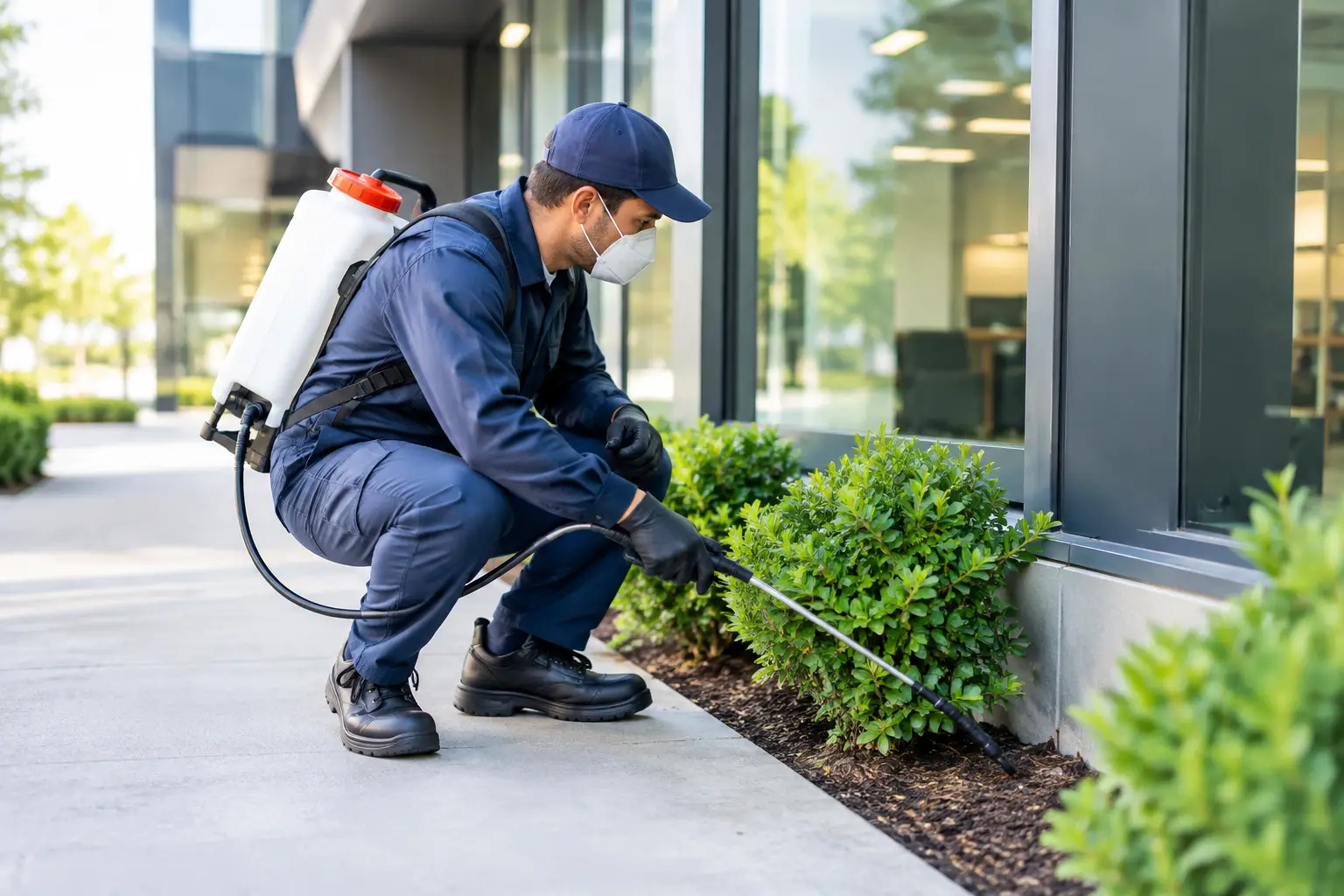
A cockroach in a staff kitchen, rodent droppings near stock or flies around a service counter can quickly become more than an unpleasant sight. It can affect customer confidence, staff comfort, food safety and the day-to-day running of your business. Professional commercial pest management gives you a clear, practical response: find the source, treat the active issue and put sensible controls in place to prevent a repeat.
For Melbourne businesses, fast action matters. Pests do not wait for a convenient time, and neither should your response. Whether you manage a café, warehouse, office, childcare centre, retail shop, strata property or construction site, the right pest plan should fit your premises, operating hours and level of risk.
What commercial pest management should achieve
Commercial pest control is not simply a spray-and-leave service. A proper program starts with an inspection of the site, including likely entry points, food and water sources, harborage areas and signs of pest activity. From there, a licensed technician can recommend treatment and prevention measures that make sense for the property.
The goal is to deal with the immediate infestation while reducing the conditions that allow pests to return. That may involve targeted treatments for cockroaches, rodents, ants, spiders, flies, bed bugs, birds or wasps, combined with advice on cleaning, waste storage, building maintenance and monitoring.
The right approach depends on the pest and the site. A rodent issue in a warehouse calls for different controls from fruit flies in a restaurant or bed bugs in accommodation. One-off treatment may suit a small, isolated problem. High-traffic, food-handling or multi-tenant premises usually benefit from scheduled inspections and ongoing monitoring.
The business risks of waiting too long
Most infestations begin quietly. A few droppings behind shelving, a trail of ants at the sink or a single cockroach seen after hours may be the first visible sign. Waiting to see whether the issue disappears can allow breeding populations to establish, particularly in warm kitchens, ceiling voids, storage areas and spaces with regular access to food or moisture.
For food businesses, pest activity can create hygiene concerns and disrupt service at the worst possible time. In offices and retail spaces, it can lead to complaints from staff, customers or tenants. Rodents can also damage stored goods, cables and insulation. Birds nesting around awnings, roofs or loading areas can create mess, blocked drainage and safety concerns.
There is also the reputation factor. Customers may forgive a delayed order, but seeing a pest near food, products or a reception area can be hard to forget. Acting early is usually simpler and more cost-effective than managing a widespread infestation after it has affected several parts of the building.
A practical process for commercial pest control
A reliable service should give you answers, not leave you guessing about what happens next. The process starts with a site assessment. Your technician should ask what has been seen, where and when, then inspect the areas most likely to support pest activity.
Inspection and identification
Correct identification matters. Not every small insect needs the same treatment, and not every rodent sign means the same access point. The inspection helps establish the pest involved, the likely extent of activity and the pressures around the site.
A technician may check kitchens, bins, storerooms, plant rooms, roof voids, loading docks, external walls, drains and staff areas. They will also look for gaps around pipes and doors, damaged seals, overflowing rubbish areas, standing water and clutter that provides shelter.
Targeted treatment
Once the issue is understood, treatment can be selected for the pest and environment. Professional-grade products, baits, traps and exclusion methods are used carefully and in the right locations. For some pests, such as cockroaches and ants, treatment often focuses on cracks, voids and harbourage points rather than broad surface application.
For rodents, a successful program normally combines control measures with entry-point reduction. Removing rodents without addressing gaps under doors, damaged vents or wall penetrations can leave the premises open to fresh activity. With flies, sanitation and moisture control are often just as important as the treatment itself.
Your business may need preparation before treatment, particularly in food areas, accommodation, childcare settings or sites with sensitive equipment. Clear instructions help protect staff and ensure the treatment performs as intended.
Prevention and follow-up
Prevention is where commercial pest management delivers its longest-term value. After treatment, the technician should explain what contributed to the issue and what practical actions will reduce future risk. This may include improving bin routines, sealing access points, moving stored stock away from walls, fixing leaks or reducing vegetation against the building.
Follow-up visits are particularly useful where pest life cycles, large premises or high-pressure surroundings make a single visit insufficient. Ongoing servicing also creates a record of inspections, treatments and recommendations, which can be useful for property managers and businesses maintaining internal hygiene standards.
Choosing a pest plan for your premises
There is no single schedule that suits every business. The right frequency depends on the type of premises, pest history, surrounding environment and how much food, waste or foot traffic the site handles.
A low-risk office with no previous activity may only need a responsive inspection and preventative checks at sensible intervals. A café, restaurant, aged care facility, supermarket, warehouse or multi-unit building may need more frequent servicing because pests have more opportunities to enter, feed and hide.
Be wary of a quote that promises a fixed outcome without asking questions about your site. Transparent pricing is valuable, but so is a proper assessment. A good provider will explain the scope of work, likely follow-up requirements and any actions your team needs to take. You should know what is being treated, why it is being treated and what results to expect.
What your team can do between visits
Professional treatment works best when site routines support it. You do not need to turn staff into pest experts, but a few straightforward habits can make a real difference. Keep food in sealed containers, empty internal bins regularly and ensure outdoor rubbish areas remain closed and clean. Report leaks promptly, as moisture attracts many common pests.
In storerooms, avoid stacking cartons directly against walls where possible. Keep access paths clear enough to inspect behind stock, and check incoming deliveries for signs of pests before items are put away. Staff should also report sightings early, including the location and time of day. A quick photo can help with identification, but it should never replace an inspection when activity is ongoing.
For property managers, communication is especially important. Tenants may notice early signs inside their space while pest access is coming from a shared bin area, roof space, drain or neighbouring tenancy. Coordinated inspections can prevent an issue from moving through the building.
When to call for urgent help
Some situations should not wait for a routine booking. Call promptly if rodents are found in a food-preparation area, cockroaches are repeatedly seen during business hours, bed bugs are reported in guest accommodation, wasps are nesting near entrances or a bird problem is creating a health or safety concern.
The same applies when you discover a sudden increase in flies, a foul odour from a suspected dead animal or fresh pest damage to stock, wiring or packaging. Fast assessment limits disruption and gives your business a better chance of resolving the problem before it spreads.
All Guard Pest Control provides commercial treatments across Melbourne, with licensed and insured technicians, free quotes and same-day availability where possible. If your premises has an active infestation or you need a preventative plan, ask for a clear assessment and a treatment schedule suited to how your business operates.
A pest-free workplace is not about chasing perfection. It is about having a dependable response when something appears, and practical controls that keep small issues from becoming costly interruptions.