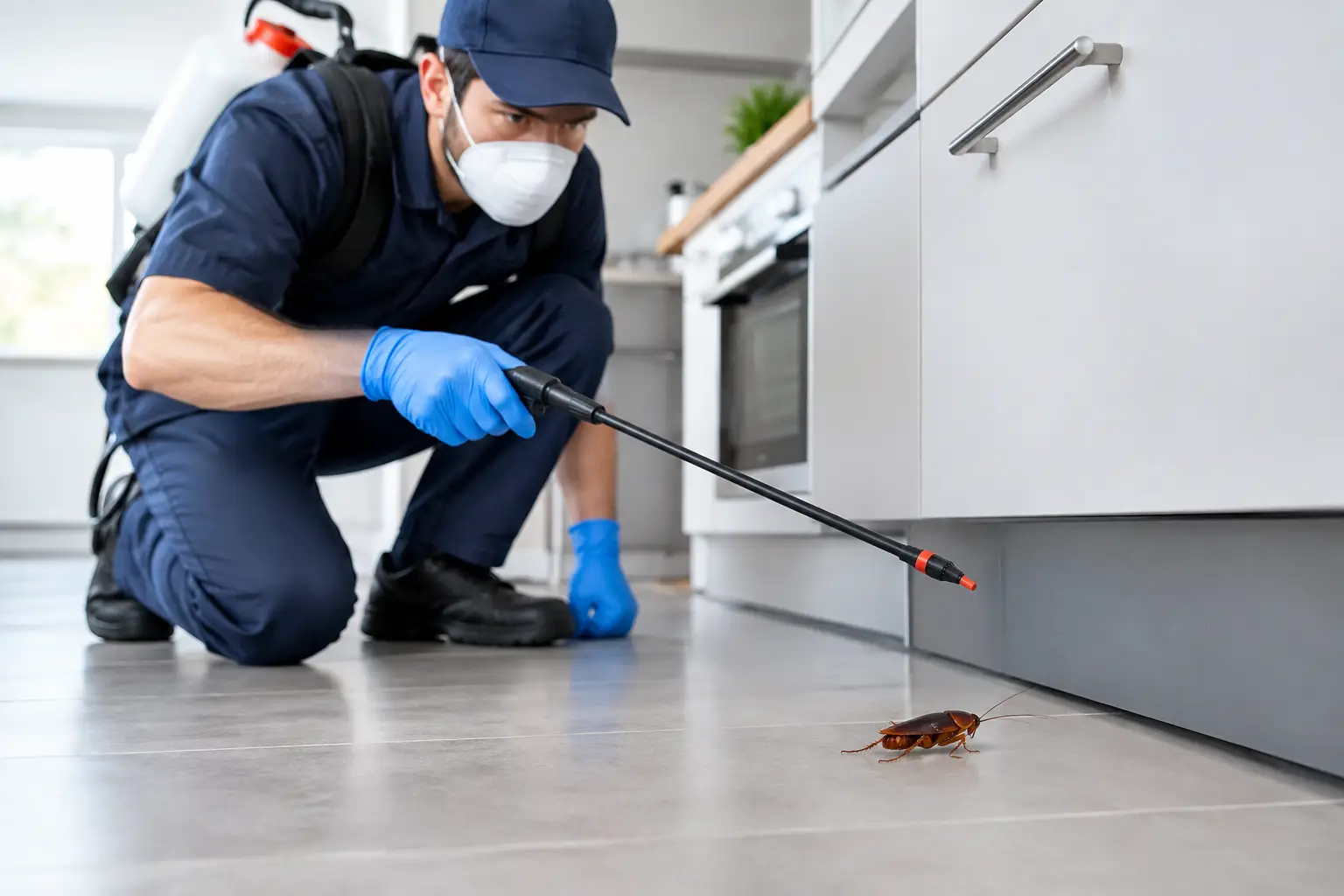
A cockroach sighting is rarely just an unpleasant surprise. If you need a cockroach exterminator Melbourne property owners can call for a prompt response, the goal is not simply to kill the insect you saw. It is to locate the activity, treat the harbourage areas and reduce the conditions that let cockroaches return.
Cockroaches can move quickly through kitchens, bathrooms, wall cavities, storerooms and shared building services. One roach near the sink may be an isolated visitor, but repeated sightings, droppings or activity after dark usually call for professional treatment. Fast action helps protect your home, tenants, staff and customers from a problem that can grow quietly.
When to call a cockroach exterminator in Melbourne
Cockroaches prefer warmth, moisture, food scraps and tight hiding spaces. That makes Melbourne homes and businesses vulnerable year-round, particularly in kitchens, cafés, apartment blocks, food storage areas and properties with leaking taps or poor ventilation.
Call for professional help when you are seeing cockroaches during the day, finding small dark droppings in cupboards or drawers, noticing egg cases, or spotting several insects in the same area. Daytime activity can indicate that the usual hiding places are crowded. A musty, oily smell in a heavily affected room can also point to a larger infestation.
For businesses, it is worth acting at the first confirmed sign. Cockroaches in a customer-facing area, commercial kitchen, break room or stock area can quickly become an operational issue. Waiting for activity to become obvious is rarely the cheaper option.
Why shop sprays often fall short
An off-the-shelf spray may kill exposed cockroaches, but most of the population does not sit out in the open. Cockroaches shelter in cracks around cabinetry, behind fridges, under dishwashers, around hot-water systems and inside service voids. Some species also breed rapidly, so missing egg cases or harbourage areas can mean the problem continues after the initial spray has dried.
Spraying every visible surface is not the answer either. It can disperse cockroaches into new hiding places and may be unsuitable around food-preparation areas, children or pets if used incorrectly. The right treatment depends on the species, the level of activity, the building layout and the people using the space.
Professional pest control uses targeted products and application methods suited to the site. That can include gels placed in inaccessible harbourage zones, residual treatments to key entry and movement points, crack-and-crevice applications, monitoring and follow-up treatment where required. The focus is effective control with minimal disruption to your household or business.
The species makes a difference
Not all cockroaches behave the same way. Larger outdoor species may enter through gaps, drains or open doors, especially during wet or hot weather. Smaller German cockroaches are more likely to establish themselves inside kitchens and appliances, where they can multiply quickly.
This is why a quick inspection matters. Treating an occasional outdoor intruder is different from managing an established indoor breeding population. A capable technician will assess what is happening before recommending the treatment plan.
What professional cockroach treatment should involve
A reliable service starts with listening. You should be able to explain where you have seen activity, when it occurs and whether the issue has appeared before. From there, the technician can inspect likely harbourage areas and identify access points, moisture sources and food sources that may be supporting the infestation.
The treatment should be tailored rather than generic. In a home, this may mean concentrating on the kitchen, laundry, bathroom and adjoining wall cavities. In a commercial setting, attention may extend to bins, staff facilities, delivery areas, equipment, drains and shared building spaces.
You should also receive clear preparation and aftercare advice. This could include keeping benches clear before treatment, storing food correctly, avoiding deep cleaning treated zones straight away and reporting any ongoing activity. Seeing an occasional cockroach shortly after treatment does not automatically mean it has failed. Depending on the product and infestation level, activity may be seen as cockroaches move through treated areas. Your technician should explain what to expect and when follow-up is appropriate.
At All Guard Pest Control, licensed and insured technicians use professional-grade treatments with practical advice for preventing a repeat issue. Same-day bookings may be available for urgent infestations, with 24/7 emergency support when fast action is needed.
How to make treatment work better at home
Professional treatment is the key step for an active infestation, but a few simple changes can improve long-term results. Cockroaches need food, water and shelter. Removing easy access to those resources makes your property less attractive after treatment.
Keep food in sealed containers and wipe benches after cooking. Empty indoor rubbish regularly, rinse containers before placing them in the recycling and do not leave pet food out overnight. Check beneath appliances for crumbs and grease, as these spots are often overlooked.
Moisture control matters just as much. Repair dripping taps, dry up water around sinks, improve ventilation in damp rooms and check for leaks under the dishwasher or fridge. Seal obvious gaps around pipes, skirting boards and cabinetry once the activity has been assessed. In apartments and townhouses, cockroaches can travel through shared services, so it may be necessary to involve the property manager or body corporate where activity is not limited to one residence.
Cockroach control for rentals and commercial properties
Tenants should report cockroach activity early and keep a record of where and when it occurs. Landlords and property managers need a clear view of whether the issue is linked to an existing infestation, building maintenance, a shared area or day-to-day conditions within the property. Prompt inspection helps establish the right response without unnecessary back-and-forth.
For restaurants, offices, warehouses, childcare settings, retailers and strata properties, one-off treatment may not provide enough protection. Ongoing pest management can be the better fit where there is regular food handling, high foot traffic, loading access or multiple occupancies. Scheduled inspections and treatment give managers a practical way to identify risks before they become visible to customers or tenants.
The trade-off is straightforward: preventative service has an ongoing cost, but it can reduce the disruption, reputational risk and larger treatment costs associated with a well-established infestation. The right frequency depends on the premises and its risk factors, not a one-size-fits-all schedule.
Choosing a cockroach exterminator in Melbourne
When the problem is urgent, it is tempting to book the first available provider. Availability matters, but so do the basics: licensing, insurance, clear pricing, suitable products and a willingness to explain the treatment. A free quote should give you a realistic picture of what is included, whether follow-up may be required and how to prepare the site.
Look for a provider that can respond quickly while still carrying out a proper assessment. This is especially useful for properties across Melbourne’s northern, western and eastern suburbs, where travel time and booking windows can affect how soon treatment begins. Transparent starting prices and a satisfaction guarantee also make it easier to proceed with confidence.
Do not let a few sightings become a bigger problem behind your cupboards, appliances or walls. Arrange a professional inspection early, follow the preparation advice and give the treatment the conditions it needs to work. A clean, well-maintained property combined with targeted pest control is the most practical way to keep cockroaches from taking hold.