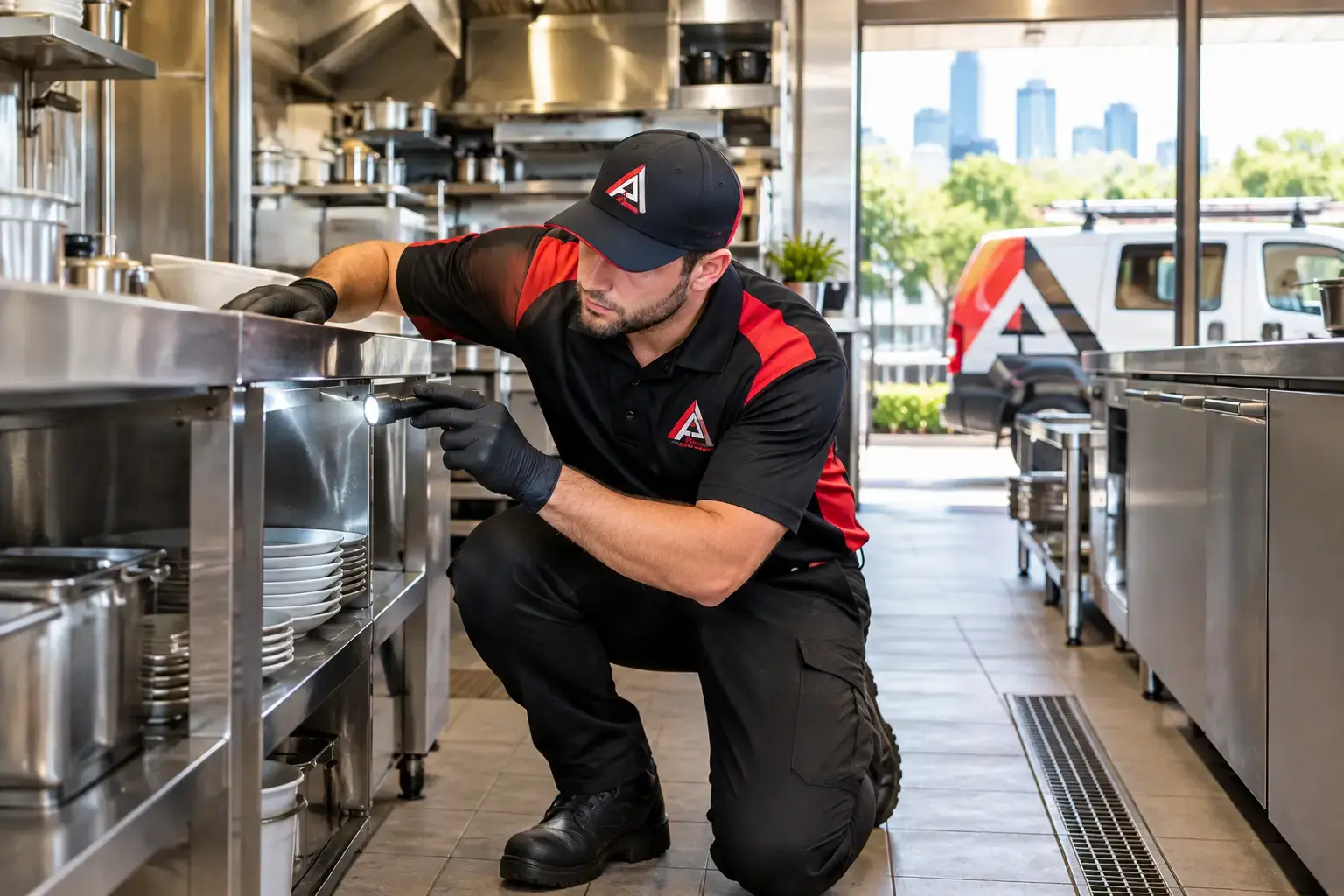
A single cockroach near the pass, a mouse sighting in the storeroom or flies around a bin area can quickly affect customer confidence and daily operations. The best pest prevention for restaurants is not one treatment or a quick clean-up. It is a practical system that removes food, water and shelter, identifies risks early and provides a clear response when pest activity appears.
For Melbourne restaurants, cafes, bars and food venues, prevention also needs to work around busy services, deliveries, shared tenancy areas and strict food safety expectations. A well-managed program protects your premises without disrupting the customer experience.
Best Pest Prevention for Restaurants Starts Before Pests Arrive
Pests are attracted to the same things that make a commercial kitchen work: food, warmth, moisture and frequent deliveries. Cockroaches can hide around hot equipment and drains, rodents look for accessible food and quiet nesting spaces, while flies are drawn to organic waste and damp areas. Birds may also create hygiene issues around outdoor dining, loading zones and rooflines.
The strongest approach is integrated pest management. This combines sanitation, exclusion, monitoring and targeted professional treatment where required. It is more reliable than waiting until a pest is visible, because visible activity can be a sign that the problem has already developed behind equipment, inside walls or around external service areas.
A prevention plan should reflect how your venue operates. A small cafe with daily milk and bakery deliveries faces different risks from a large restaurant with grease traps, multiple cool rooms and late-night rubbish collections. Your layout, menu, waste arrangements and neighbouring businesses all matter.
Keep Food and Water Sources Under Control
Good cleaning practices are essential, but restaurant pest prevention goes beyond wiping benches at the end of a shift. Small spills under appliances, grease build-up behind cooking equipment and food debris in floor wastes are easy to miss and can sustain pest activity.
Kitchen teams should clean beneath and behind movable equipment on a scheduled basis, not only when a deep clean is due. Pay close attention to cook lines, refrigerators, shelving, dishwashing areas and the gaps around plumbing. Drying wet floors and repairing dripping taps matters too, as cockroaches and rodents can survive with very limited food where water remains available.
Food storage deserves the same attention. Keep dry goods in sealed, pest-resistant containers where practical, rotate stock and remove damaged cartons promptly. Cardboard can provide hiding places for cockroaches and may arrive with pests or eggs from supply chains. Where possible, avoid storing unnecessary packaging in food preparation or storage areas.
Staff should know what to report. Droppings, gnaw marks, insect casings, unusual smells, grease trails and recurring fly activity are all useful warning signs. Early reporting gives managers and pest technicians a better chance of resolving an issue before it affects service.
Manage Rubbish Before It Becomes a Food Source
Waste areas are one of the most common pressure points for restaurants. Bins should have fitted lids, be cleaned regularly and sit away from external doors where site conditions allow. Overflowing bins, leaking bags and food residue around bin bases can attract flies, rodents, cockroaches and birds.
Keep the path from the kitchen to the bin area clean, and ensure external waste zones are included in cleaning schedules. If rubbish collection is less frequent during peak periods, arrange storage and collection processes that prevent overflow. Shared bin areas need particular attention because activity from one tenancy can affect the whole site.
Stop Pests Getting Through the Building
Exclusion is often the most cost-effective part of restaurant pest control. A pest cannot establish itself inside if it cannot enter easily in the first place.
Check door sweeps, loading doors, window screens, vents, wall penetrations and gaps around pipes. Rodents can enter through surprisingly small openings, while cockroaches can move through cracks around plumbing and cable runs. Damaged seals on cool rooms, back doors left open during deliveries and poorly fitted screens can all create entry points.
This does not mean every gap can be sealed immediately. Some older buildings, heritage premises and shared commercial sites have structural limitations. In these cases, prioritise the highest-risk access points and combine repairs with regular monitoring. A professional inspection can help distinguish a minor maintenance issue from an active entry route.
External areas also influence what happens indoors. Keep vegetation trimmed away from walls where possible, remove standing water and maintain clear access around the building perimeter. Outdoor dining spaces should be checked for food scraps, overflowing ashtrays and nesting activity around awnings or signage.
Use Monitoring That Gives You Useful Information
Monitoring is not simply placing devices around a venue and forgetting about them. It should help identify what pest is present, where it is moving and whether activity is increasing or decreasing.
A professional restaurant pest management program may include discreet monitoring points in suitable non-food areas, inspection of high-risk zones and documented service reports. These records can be valuable for venue managers, auditors and food safety processes because they show that pest risks are being actively managed.
Trend information matters. Repeated cockroach activity near one appliance may point to a cleaning gap, moisture issue or crack in a nearby wall. Rodent signs near a rear door may indicate a failed door seal or problems around the bin enclosure. Treating the immediate activity is necessary, but correcting the contributing condition helps prevent repeat issues.
Choose Treatment Methods That Suit a Food Business
Restaurants need pest control methods selected carefully around food handling, customer areas and service hours. The right treatment depends on the pest, level of activity, building design and hygiene conditions. A one-size-fits-all approach is rarely appropriate.
Licensed pest technicians can assess the site, identify likely harbourage areas and use professional-grade products and methods suitable for the situation. They should also provide practical recommendations, such as sealing a gap, changing a cleaning routine or improving storage practices. Treatment is strongest when kitchen staff, cleaners, building management and the pest technician are working from the same plan.
For active rodent, cockroach or fly issues, prompt action is sensible. Delaying can allow populations to grow and may create greater disruption later. However, avoid using unapproved or poorly placed products in food areas. These can create safety concerns, interfere with food operations or make it harder to identify the underlying cause.
Build Pest Prevention Into Daily Restaurant Routines
The best systems are simple enough for staff to follow during a busy shift. Include pest prevention checks in opening, closing and weekly maintenance routines rather than treating them as a separate task that is easily missed.
A practical routine may cover cleaning under equipment, checking for leaks, inspecting door seals, emptying internal bins, reviewing food storage and reporting signs of activity. Managers can also review pest service reports and ensure recommended building repairs are allocated and completed.
Training is particularly useful when new staff start or when procedures change. Employees do not need to be pest experts, but they should understand why doors must stay closed, why food must be sealed and who to notify if they spot droppings or insects. Clear reporting avoids the common problem of a small issue being noticed by several people but not acted on.
When Should a Restaurant Arrange a Pest Inspection?
Arrange an inspection when you see live pests, droppings, damaged food packaging, recurring flies, bird activity near food areas or unexplained odours. It is also sensible before opening a new venue, after building works, when taking over a tenancy or when changing waste arrangements.
Ongoing preventative servicing is often the better option for established food businesses, especially venues with high food volume, late trading hours, shared loading areas or a history of pest pressure. Service frequency should be based on risk, not a generic schedule. A busy inner-city restaurant may need a different plan from a suburban cafe in Craigieburn with limited food storage and a standalone bin area.
All Guard Pest Control & Property Solutions provides tailored commercial pest management for restaurants across Melbourne, with inspections, treatment and prevention advice designed around each venue’s operating requirements. A clear assessment can help you decide whether immediate treatment, maintenance work or an ongoing program is the most appropriate next step.
A clean, well-run restaurant should not have to wait for a pest problem to become visible. Book a professional inspection or request a free quote to put practical prevention measures in place before pests affect your kitchen, customers or reputation.