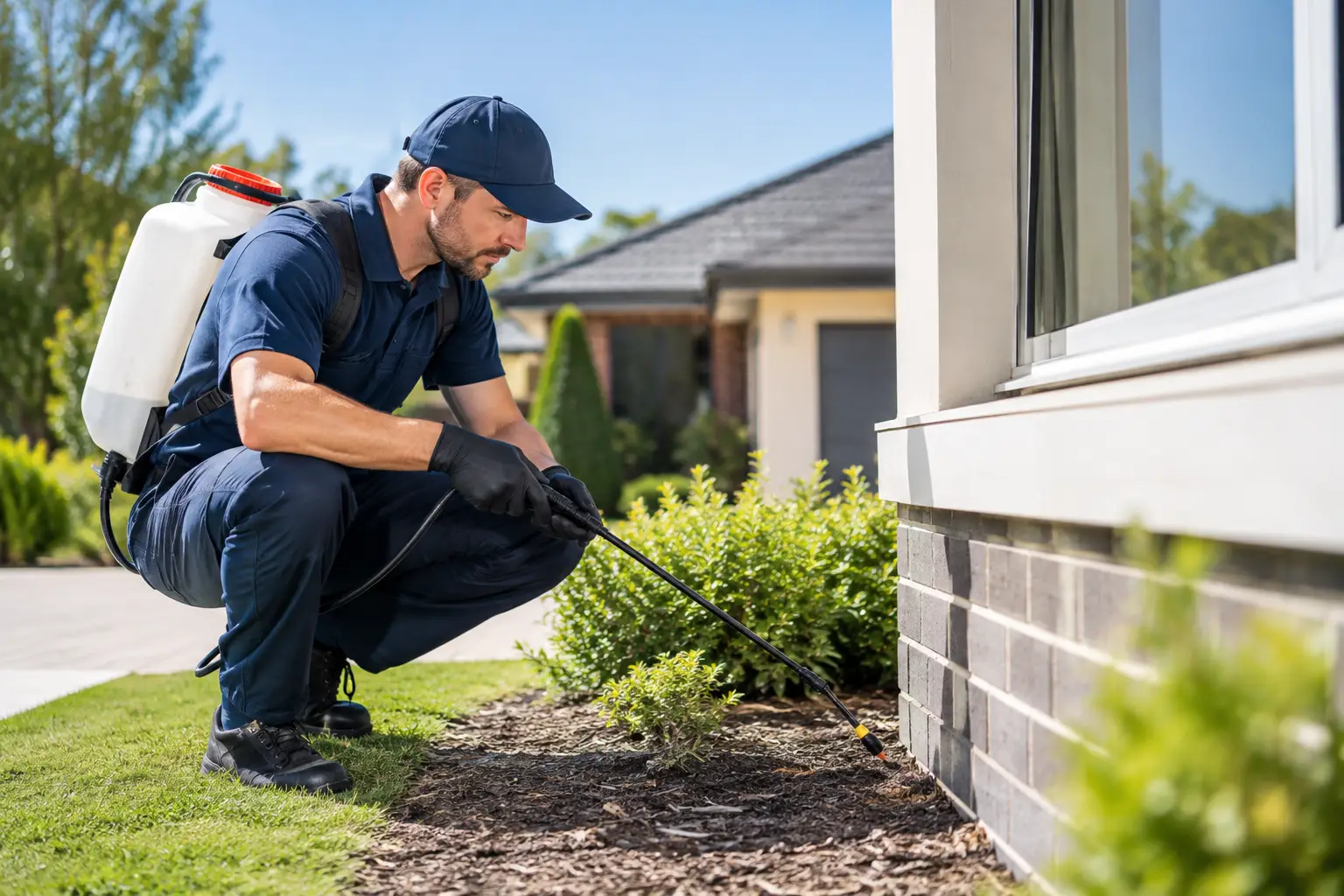
A cockroach in the kitchen after dark, scratching in the roof, or an ant trail across a food bench is rarely a problem that improves if you wait. The best pest control methods deal with the pest you can see, the conditions attracting it, and the hidden breeding or nesting areas that keep the problem going.
For Melbourne homes, rentals and workplaces, the right approach depends on the pest, the property and the level of activity. A single spider may need careful removal. Rodent droppings in a café storeroom or a bed bug report in a childcare or accommodation setting needs a fast, professional response. The goal is the same: stop the immediate issue safely and prevent a repeat infestation.
The Best Pest Control Methods Start With Identification
Treating the wrong pest wastes time and can make a small issue harder to resolve. Ants and termites, for example, can both be seen around timber, but they require completely different treatment plans. A moth, a fly and a cockroach may all be noticed in a pantry or food area, yet their breeding sources are not the same.
Start by looking for patterns. Note where pests are active, what time they appear, whether there is food or water nearby, and whether the activity has increased after rain, building works or a change in season. Take clear photos where it is safe to do so. This information helps a licensed technician identify the species and choose a treatment that targets the source rather than just the visible insects.
In commercial premises, keep a simple record of sightings. Staff may notice activity in different shifts or parts of a site, and those details can reveal a recurring entry point, such as a loading dock door, floor drain or gap around pipework.
Prevention Is the Most Reliable Long-Term Treatment
Prevention is not a substitute for treatment when there is an active infestation, but it is one of the best pest control methods for reducing future call-outs. Pests need access to food, water and shelter. Removing those opportunities makes a property far less inviting.
Keep food in sealed containers, wipe benches promptly and empty indoor rubbish bins regularly. In restaurants, retail food areas and staff kitchens, clean beneath equipment and along wall edges where crumbs and grease collect unnoticed. Do not leave pet food down overnight if rodents, ants or cockroaches are active.
Moisture control matters just as much. Repair leaking taps, clear blocked gutters, address water pooling near the building and check for slow leaks beneath sinks. Cockroaches, silverfish and rodents are drawn to reliable water sources, while mosquitoes and flies can breed where stagnant water is allowed to sit.
Exclusion is the next part of the job. Seal cracks around pipes, vents and external walls, fit door seals where there are gaps, and repair damaged flyscreens. Rodents can enter through surprisingly small openings, particularly around garages, rooflines and service penetrations. Trim vegetation away from walls and avoid storing timber, cardboard or clutter against the building, as these areas provide sheltered harbourage.
Match the Treatment to the Pest
A one-size-fits-all spray is not a dependable pest management plan. Professional treatments should be selected according to the pest’s habits, life cycle and location.
Rodents: Remove Access, Then Control the Population
Rats and mice are more than an annoyance. They can contaminate food, damage wiring and create serious hygiene concerns in homes, schools, food businesses and factories. Effective rodent control combines proofing with strategically placed professional baiting or trapping.
Simply placing bait without finding entry points can lead to ongoing activity. A technician should inspect roof voids, subfloors, storerooms, external bins, gardens and service areas, then advise on sealing gaps and reducing harbourage. In sites with children, pets or the public, secure tamper-resistant stations and careful placement are essential.
Cockroaches: Target Hiding Places and Egg Cycles
Cockroaches spend most of their time hidden in warm, tight spaces near water and food. Seeing one during the day can indicate a larger population, especially in kitchens, bathrooms and food premises. Professional gel baits, residual treatments and insect growth regulators may be used depending on the species and infestation level.
Good preparation improves results. Clear food debris, reduce cardboard storage, empty cupboards where requested and allow access to areas beneath sinks, behind fridges and around appliances. Follow-up treatment may be necessary because eggs and young cockroaches can emerge after the first visit.
Ants: Find the Colony, Not Just the Trail
Spraying ants on a benchtop may kill the workers you see, but it often does not affect the colony. Baits are commonly more effective because foraging ants carry them back to the nest. The right bait and placement depend on the ant species and what it is feeding on.
Avoid repeatedly spraying over baited areas, as this can disrupt the ants’ movement and reduce uptake. Keep benches clean, seal food and report where trails start and finish. Outdoor nests may also need treatment where they are close to the building or causing damage.
Spiders and Wasps: Make Safety the First Priority
Most spiders prefer to avoid people, but large webs, regular indoor sightings or venomous species around family areas should be addressed promptly. Removing webs, reducing outdoor clutter and treating likely harbourage areas can reduce activity. Never reach into gloves, shoes, outdoor toys or stored items without checking first.
Wasp nests should not be knocked down or sprayed at close range. Disturbing a nest can trigger defensive stinging, particularly when it is near a doorway, playground, roof eave or outdoor dining area. Professional removal is the safer option for active nests.
Bed Bugs: Fast Action Prevents a Wider Spread
Bed bugs are easy to carry between rooms and properties in luggage, clothing and furniture. They are not a sign of poor cleanliness, but they do need a disciplined response. Signs include bites, small blood marks on bedding, shed skins and dark spotting around mattress seams, bed frames and nearby furniture.
Do not move bedding or furniture through the property without a plan, as this can spread the infestation. A professional inspection and detailed preparation instructions are usually needed, followed by targeted treatment and, where required, repeat visits. Landlords, tenants and property managers should act early and communicate clearly to limit disruption.
Use DIY Products Carefully
Store-bought products can help with a minor, clearly identified issue, such as a few flies or isolated ants. They have limits. Foggers and broad aerosol sprays often fail to reach cracks, nests and breeding sites. They can also push pests deeper into walls or contaminate areas where bait should be placed.
Never mix chemicals, use outdoor products indoors, or apply pesticides near food preparation surfaces, children’s items or animal bedding unless the label specifically permits it. Follow label directions exactly, ventilate treated spaces when required and keep children and pets away for the stated period.
DIY treatment is generally not the right choice for termites, substantial rodent activity, bed bugs, established cockroach infestations or wasp nests. These problems can become more costly when treatment is delayed or applied incorrectly.
When to Call a Licensed Pest Technician
Call for professional help when pests are recurring, numerous, causing damage, affecting hygiene or creating a safety risk. This is especially important for businesses that must protect customers, staff, stock and compliance standards. A proper service should include inspection, identification, a clear treatment plan and practical advice for preventing recurrence.
For termites, pre-purchase concerns or suspected timber damage, do not rely on surface sprays or visual checks alone. Termites can travel behind walls and beneath flooring with little obvious evidence. A thorough inspection is the sensible first step before deciding on treatment or a protection plan.
All Guard Pest Control provides fast, licensed pest treatment across Melbourne for homes and commercial sites, including urgent same-day bookings where available. The right technician will explain what has been found, what treatment is being used, any preparation needed and what results to expect - without confusing jargon or surprises.
A pest problem is easiest to manage while it is still contained. If you are seeing repeated activity, protect the people and property around you by arranging an inspection before the pest has time to settle in.