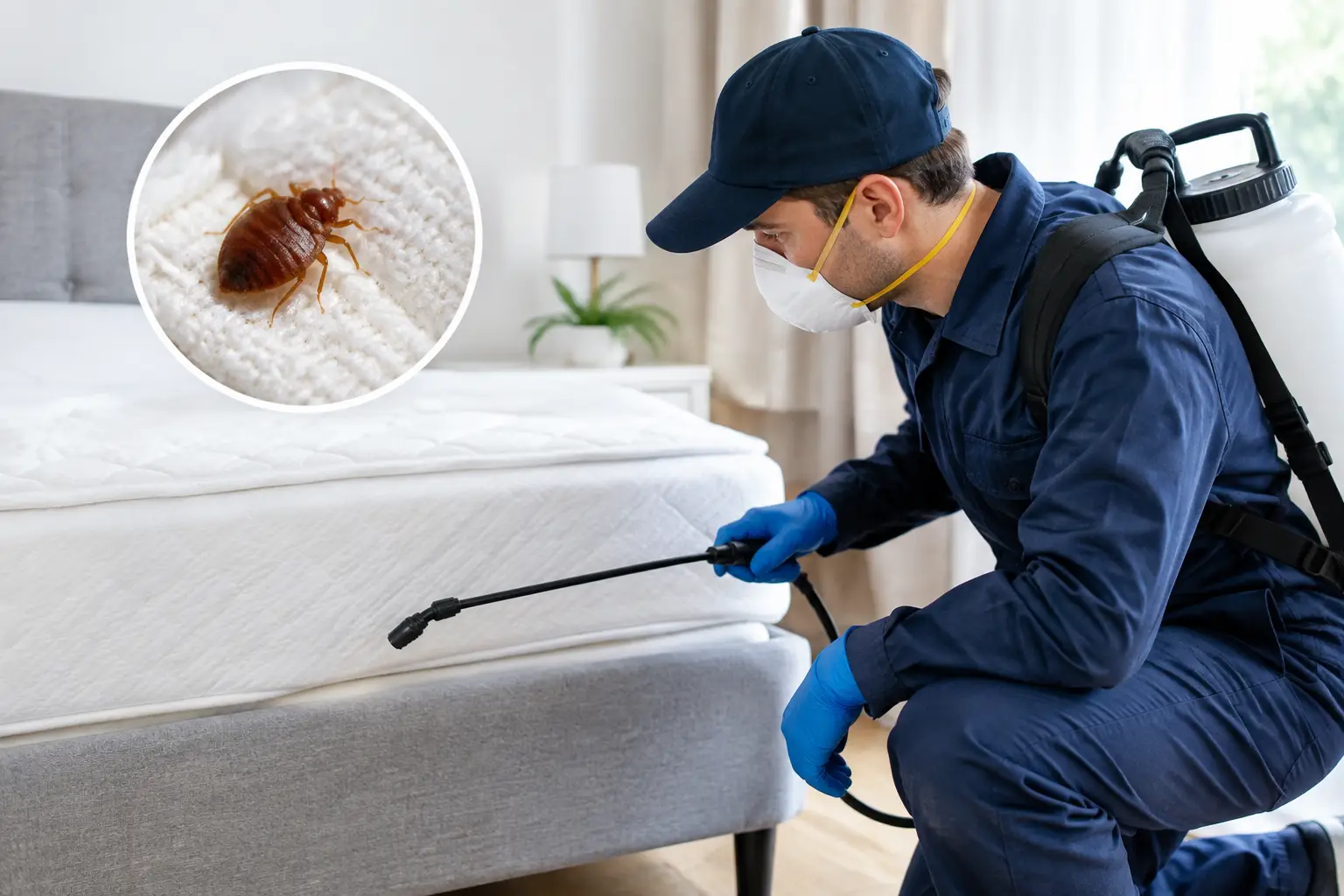
A bed bug problem changes how you feel about your own bedroom quickly. You may notice itchy marks after sleep, small dark spots on sheets or mattress seams, or a live insect near the bed. Effective bed bug treatment for homes is not about spraying one visible bug and hoping for the best. It is about finding where they are hiding, treating every active area and following up before the infestation has a chance to rebuild.
Bed bugs are frustrating, but they are manageable with a prompt, methodical response. The faster you act, the less likely they are to spread through bedrooms, lounges, luggage, clothing or neighbouring units.
Know the signs before you move everything
Bed bugs are small, flat insects that feed mainly at night. Adults are reddish-brown and about the size of an apple seed, while younger bugs are much smaller and pale. They do not fly or jump, but they are excellent at hiding in tight spaces close to where people rest.
Common signs include blood smears on bedding, dark pinhead-sized marks around mattress piping and bed frames, shed skins, eggs, or bites that appear in lines or clusters. Bites alone are not proof. Different people react differently, and mosquitoes, fleas, skin irritation and allergies can look similar.
Check mattress seams, the bed base, screw holes, behind the bedhead, bedside furniture and the edges of nearby carpet. Avoid carrying suspected items into another room. Moving an infested mattress to the lounge room or putting bags of clothing in another bedroom can spread bed bugs into new hiding places.
Why DIY bed bug control often falls short
A thorough vacuum, hot wash and careful clean are useful parts of control, but they rarely solve an established infestation by themselves. Bed bugs hide deep in joints, cracks, electrical fittings, upholstered furniture and other spots that are difficult to reach. Their eggs can also survive treatment methods that kill active insects.
Store-bought sprays can help with a very limited issue when used exactly as directed, but they have real limits. Applying too little product, missing harbourage points or using products in the wrong place can leave enough surviving bugs to restart the problem. Some bed bug populations are also less susceptible to particular insecticides.
Foggers and bombs are particularly unreliable for bed bugs. The mist does not penetrate the narrow crevices where they shelter, and it can drive insects further into walls, furniture or adjoining rooms. It may also create unnecessary exposure for people, pets and belongings. A visible reduction in activity is not the same as a successful treatment.
What professional bed bug treatment for homes involves
A licensed technician starts with an inspection. This is not a quick look at the mattress and a spray around the skirting boards. The inspection should identify likely harbourage areas, assess how far the infestation has spread and consider whether bed bugs could be moving between units or rooms.
Treatment is then tailored to the property. Depending on the activity found, this may include targeted application of professional-grade products to bed frames, furniture, cracks, carpet edges and other approved areas. A technician may also recommend physical measures, such as vacuuming, laundering and encasements, to reduce the population and protect the bed while monitoring continues.
Most established infestations need more than one visit. That is because eggs may hatch after the initial treatment, and follow-up lets the technician address newly active bugs before they mature and lay more eggs. The right timing depends on the treatment method, level of infestation, household activity and preparation completed before the visit.
At All Guard Pest Control, the focus is on a clear inspection, practical preparation advice and targeted treatment rather than a one-size-fits-all spray. If you are dealing with active bed bugs, ask for a free quote and confirm the recommended follow-up plan before booking.
How to prepare without spreading bed bugs
Preparation makes a significant difference, but over-preparing can cause problems. Do not start stripping every room, throwing out furniture or shifting bags through the house before you have a treatment plan. This can make inspection harder and allow bed bugs to hitchhike elsewhere.
Your technician will give instructions specific to your home, but preparation often includes washing bedding, clothing and washable fabrics on the hottest safe setting, then drying them thoroughly on high heat where fabric care labels allow. Place cleaned items in sealed bags or containers until treatment and follow-up are complete. The dryer is often the critical step because heat is what kills bed bugs and eggs.
Reduce clutter around the bed and floor so treatment areas can be accessed. Vacuum accessible seams, bed frames and carpet edges if instructed, then seal and dispose of the vacuum contents outside immediately. Do not apply other pesticides before the appointment unless the technician has advised it. Unplanned products can interfere with the treatment strategy or scatter the bugs.
You may need to move beds slightly away from walls, remove items stored beneath them and ensure technicians can reach furniture edges. Keep children and pets away from treatment zones for the period advised on the day. Good preparation is about access and containment, not turning your home upside down.
What to do on the night after treatment
It is natural to want to sleep somewhere else, but leaving the home can sometimes work against control. Bed bugs are attracted to people, so avoiding the treated sleeping area may draw them towards other rooms or allow them to remain undetected. Follow the technician's directions about when it is safe to re-enter and where to sleep.
You may still see activity in the days after a treatment. That does not automatically mean it has failed. Bed bugs can emerge from hidden areas, cross treated surfaces and die later. Keep monitoring for live insects, fresh spotting or bites, and report what you find before the follow-up visit.
Avoid moving to a different bedroom unless advised. Keep laundering bedding as directed, maintain clear access around the bed and do not remove mattress encasements or monitoring devices if they have been recommended. Consistency between visits gives the treatment the best chance of working.
When tenants, landlords and property managers should act
Bed bugs can arrive in any clean or untidy property. They may be brought in through luggage, second-hand furniture, visitors, shared laundry areas or adjoining dwellings. They are not a sign that someone has failed to clean their home.
For tenants, report suspected activity promptly and in writing to the landlord or property manager. Take clear photos of insects, spotting and affected areas where possible, but do not delay action while trying to build a perfect case. Responsibilities can vary depending on the tenancy agreement, the property's condition and how the infestation began, so early communication is the practical first step.
In apartments and rooming properties, treatment may need to consider nearby dwellings, shared walls and common areas. A single untreated unit can make reinfestation more likely. Property managers should arrange a qualified inspection quickly and give occupants clear preparation and access instructions.
Choosing a bed bug specialist in Melbourne
Ask what the service includes. A worthwhile quote should explain whether inspection, treatment, follow-up and any warranty conditions are included. It should also set out what preparation is required, how long people and pets must stay out of treated areas, and what results you should reasonably expect between visits.
Choose a properly licensed and insured provider that uses professional-grade equipment and products. Price matters, but the cheapest first visit can become expensive if it does not include the inspection time or follow-up needed for bed bugs. Fast access matters too. In Melbourne homes, especially apartments and shared properties, a prompt inspection can help stop a contained issue from becoming a larger one.
Do not wait for the infestation to feel unbearable before arranging help. If the signs point to bed bugs, keep the room contained, avoid shifting belongings through the house and book a professional inspection. A calm, targeted response now is far easier than trying to reclaim multiple rooms later.