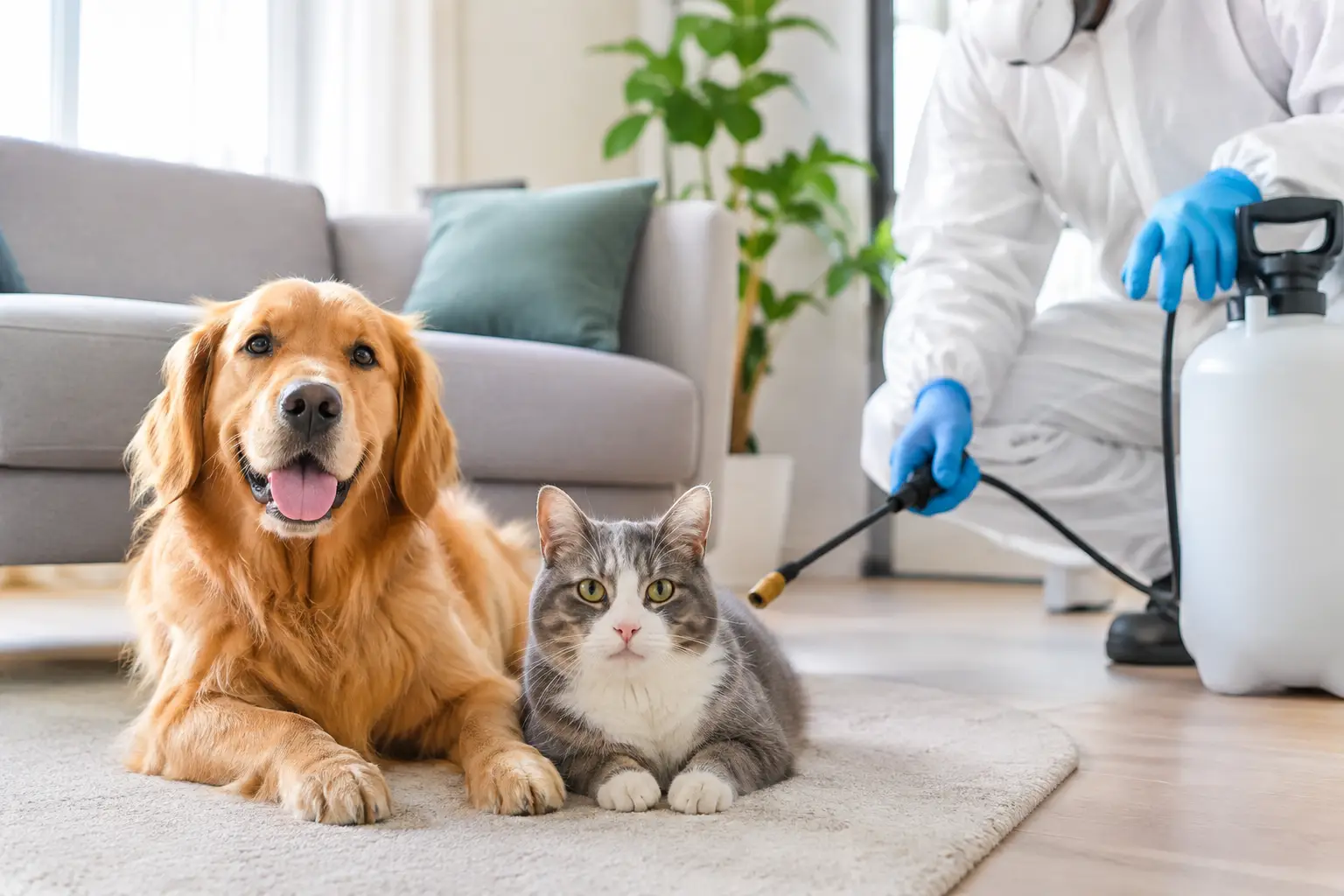
A cockroach trail in the kitchen or rodents in the roof can’t always wait, especially when you have pets sharing the home. But are pest treatments pet safe? In most cases, yes - when the treatment is selected for the pest, applied correctly by a licenced technician, and you follow the preparation and re-entry directions provided.
The key is not assuming every product, room or pet has the same risk. A professional treatment plan should account for the animals in your household, where they eat and sleep, and whether they can access treated areas. That is how you deal with a pest problem properly without creating a new worry for your family.
Are pest treatments pet safe for homes?
Professional pest treatments are designed to control pests at carefully measured application rates. They are not harmless products, and they should never be treated casually. However, the risk to pets is greatly reduced when a licenced technician uses the appropriate product and application method, then gives clear directions for keeping animals away during treatment and until treated surfaces are dry or the specified re-entry period has passed.
Safety depends on the pest, the treatment method and your pet. A targeted gel bait for cockroaches is very different from a perimeter spray for ants or spiders, a rodent baiting programme, or treatment for bed bugs. The right approach is the smallest effective treatment area and amount needed to control the infestation.
Your technician should ask whether you have dogs, cats, birds, fish, reptiles or other animals before starting. Be upfront about pets that roam freely, chew objects, eat dropped food or have existing health conditions. This helps the technician choose practical controls and explain the precautions that apply to your home.
What affects pet safety during pest control?
The product and how it is applied
Some treatments are applied as cracks-and-crevices products, gels or enclosed baits, keeping them out of everyday pet areas. Others may be applied to skirting boards, wall voids, roof spaces, external perimeters or specific nesting sites. Treatment is not one-size-fits-all, which is why professional assessment matters.
A responsible technician does not simply spray every visible surface. They identify harbourage areas, pest entry points and activity levels. This improves results and limits unnecessary exposure in your living areas.
Your pet’s habits and health
A calm adult dog that stays outside during treatment presents a different situation from a curious puppy that licks floors. Cats can walk through a damp area and groom residue from their paws. Birds and fish can be particularly sensitive to airborne products, while reptiles and small mammals may need extra protection because of their enclosed habitats.
Tell the technician if your pet is pregnant, very young, elderly, unwell or on medication. It does not automatically mean treatment cannot proceed, but it may change the timing, product choice or preparation required.
The treatment area
Indoor kitchens, pet sleeping areas and feeding stations need greater care than an exterior fence line. Roof voids and subfloor spaces may be low-access areas for pets, but rodents can move baits or carcasses. This is why rodent control needs active monitoring rather than placing bait and forgetting about it.
How to prepare your home before treatment
Your technician will provide instructions specific to the service. Follow those directions over general advice from neighbours or social media, as the correct preparation changes between cockroach, ant, spider, flea, bed bug and rodent treatments.
Before the appointment, these practical steps usually help protect pets and allow the treatment to work as intended:
- Remove pet food, water bowls, toys, bedding and litter trays from treatment areas.
- Keep pets out of the home or in an untreated, well-ventilated area for the period advised by the technician.
- Cover or relocate fish tanks, bird cages, reptile enclosures and small-animal cages as instructed.
- Clear accessible floors, particularly along skirting boards, behind appliances and around pet beds.
- Do not let pets into cupboards, roof spaces, garages or yards being treated until you have been told it is safe.
It is also wise to pick up outdoor pet waste and remove bowls before an external treatment. If your dog uses a particular patch of lawn or your cat has a favourite sheltered spot, point it out. Small details help ensure the treatment plan fits your household.
What happens after a pest treatment?
Do not bring pets back into treated areas until the technician’s re-entry advice has been met. For many surface treatments, this means waiting until the application is fully dry. In other cases, a longer exclusion period may be required. Open windows where advised to ventilate the home, but do not wash treated surfaces, mop along skirting boards or hose down external barriers straight away unless the technician tells you to do so.
Put bowls, bedding and toys back only once the area is ready for normal use. Wash any items that may have been left exposed. If bait stations are used, do not move, open or tamper with them. They should be placed in locations that reduce access by pets and children, but they still need to remain where the technician positioned them for the programme to work.
For rodent treatments, ask what monitoring will occur and what to do if you find a dead rodent. Pets can be attracted to carcasses, creating a risk of ingestion. Prompt removal with gloves, safe disposal and follow-up inspections are part of a well-managed rodent control plan.
Extra precautions for birds, fish and reptiles
Birds have sensitive respiratory systems, and aquarium or terrarium environments require more care than a standard dog or cat household. Do not rely on a towel thrown over a cage or tank as your only precaution. Let the pest control provider know about these animals at the time of booking so they can advise whether they should be moved, sealed, covered with filtration managed, or kept away for a longer period.
If moving the enclosure is not possible, the treatment plan may need to be adjusted. This is especially relevant for indoor spider, cockroach and fly treatments where the work could occur near the enclosure. A short discussion before the technician arrives can prevent avoidable disruption on the day.
What if your pet contacts a treatment product?
If you see your pet lick, eat or walk through a product, remove them from the area immediately. Keep the product packaging or note the treatment details if available, then contact your veterinarian or an emergency animal poison advice service for prompt guidance. Do not induce vomiting or give home remedies unless a veterinary professional instructs you to do so.
Signs that need urgent veterinary advice can include vomiting, drooling, tremors, unusual tiredness, breathing changes, unsteadiness, seizures or irritation to the skin and eyes. These signs can have many causes, but after possible pesticide exposure, acting quickly is the right call.
Choose a treatment plan that protects the whole household
Pet safety is not about avoiding all pest control until an infestation becomes severe. Rodents, cockroaches, fleas and other pests can bring their own hygiene and health concerns into a home. It is about using a qualified provider that assesses the issue, treats only where needed and gives you clear aftercare instructions.
For Melbourne households needing fast help, All Guard Pest Control can discuss your pets before booking and arrange a treatment plan suited to the pest problem and your property. Keep your technician informed, follow the re-entry advice exactly and give your pets a comfortable place away from the work area - those simple steps make a real difference.